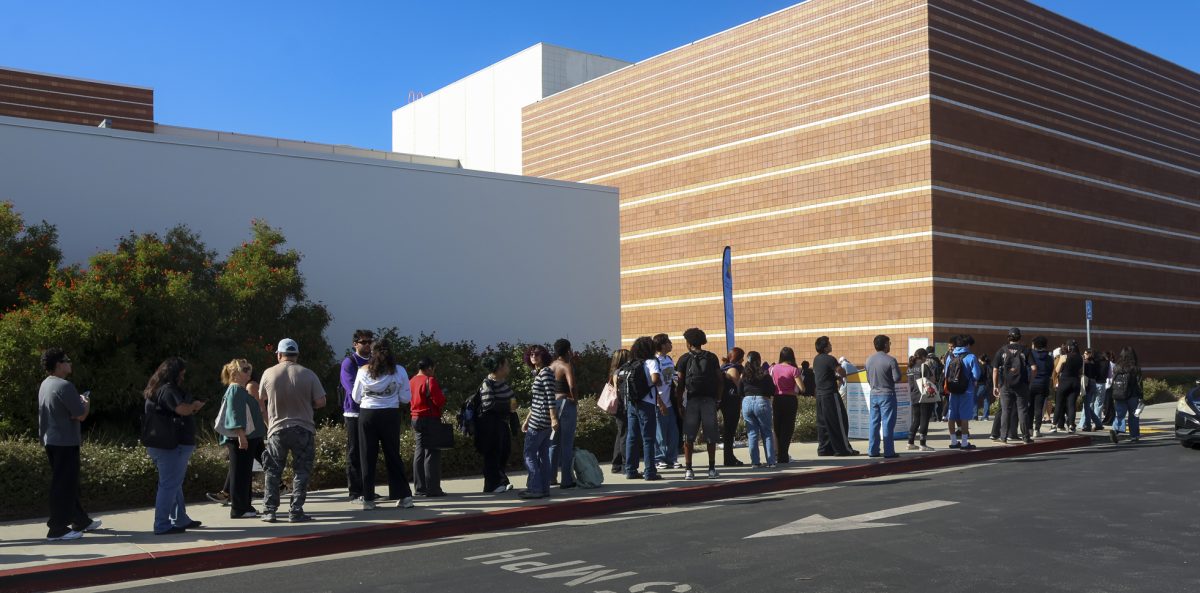
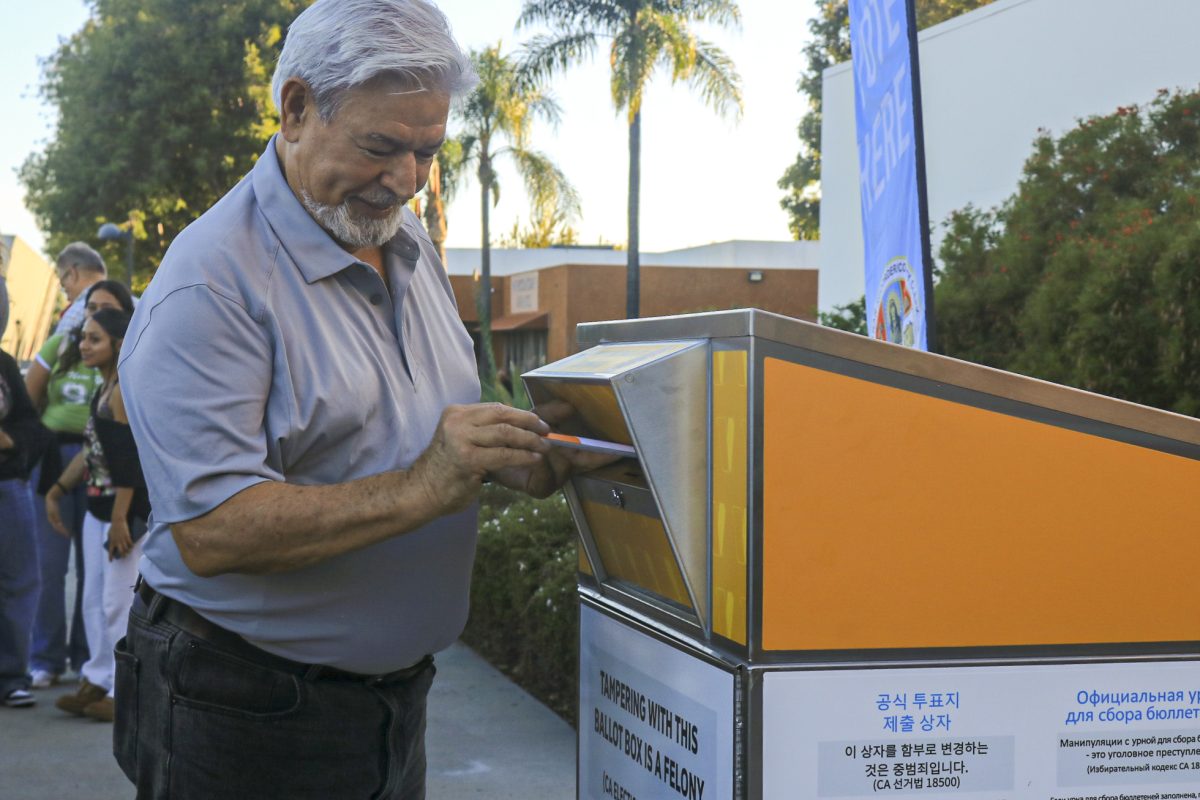
Texas had a Republican stronghold for decades, but that assumption took a hit Tuesday night when the Democratic Party won the U.S. Senate race. More than 7.7 million people voted early, surpassing previous midterm election totals. James Talarico’s victory over Ken Paxton ended Democrats’ Texas Senate drought dating back to 1988, while Gina Hinojosa’s win over Greg Abbott ended the party’s statewide drought dating back to 1994 and made her Texas’ first Latina governor.
The state experienced changing voting patterns over the past two decades. Democratic support grew in several major metropolitan areas, including Houston, Dallas and Austin, raising questions about whether the state’s political identity was beginning to shift.
While some viewed these developments as signs of a potential Democratic breakthrough, others argued that Texas remained firmly Republican.
Though Texas is now associated with Republican victories, the state’s political history tells a different story. According to KSAT’s 2020 election analysis, the last Democratic presidential candidate to win Texas was Jimmy Carter in 1976. Democrats also maintained control of several statewide offices until 1994, when they last won statewide elections.
The state’s political transformation became more apparent during the 1980s, as Republican candidates gained support and eventually established a stronger presence in Texas politics. This history is important because Texas has changed political identities before. Election results over the past two decades also raised questions about the state’s political direction.
An analysis published by Lone Star Left highlighted how several major Texas regions shifted toward Democratic candidates. Harris County, home to Houston, moved from supporting Republican presidential candidates to becoming a Democratic stronghold. Dallas County also experienced a significant shift. Travis County, home to Austin, maintained strong Democratic support.
The analysis also pointed to a narrowing Republican advantage in presidential elections. Between 2000 and 2020, the Republican margin decreased from 21.9 percentage points to 5.7 percentage points.

The 2026 Midterm Elections provided another opportunity to examine whether these political trends were continuing.
According to the Associated Press election results, Democratic candidate James Talarico held 59.21% of the vote, compared to Paxton’s 39.21%, with Libertarian candidate Ted Brown receiving 1.58% . Gina Hinojosa held 57.0% of the votes, Greg Abbott held 41.7% and Pat Dixon held 1.3%.
Voter participation also played an important role in determining the state’s political future.
Growing Democratic support in metropolitan areas did not automatically translate into statewide victories. Candidates also had to mobilize voters and build support across different regions of the state.
For Democrats, increasing turnout among younger voters and communities that had historically faced barriers to voting remained an important part of their strategy. However, Republicans continued to maintain significant support throughout rural Texas and other traditionally conservative communities.
A Democratic victory in Texas’ U.S. Senate race had significant implications for the balance of power in Congress. Texas had historically elected Republican senators, making Talarico’s win a major political shift for the state. Talarico’s victory can strengthen Democratic influence in the U.S. Senate and challenge Republican dominance in the state. Beyond the immediate outcome, a Democratic victory signaled that Texas is becoming more competitive in statewide elections, potentially changing how both parties approach future campaigns.
Still, demographic changes and Democratic gains in certain counties did not guarantee that Texas would remain blue. Future elections can show whether the results mark a lasting political shift. The next election cycle may test whether Texas has become a true battleground.