Branded Content by Cosmic Press
Anyone who uses lasers in their line of work will know how important it is not only to wear laser safety glasses but to ensure that those worn offer the appropriate level of protection. However, with more hobbyists than ever before using lasers to, for example, undertake engraving, it’s vital to be really clear about the risks and understand how to choose the right pair of laser safety glasses.
Why is Optical Density Important?
When it comes to laser safety glasses, the optical density relates to the extent to which the lenses will block the light being transmitted from a specific wavelength. You should be able to find this information in the safety manual or user guide that came with your safety glasses.
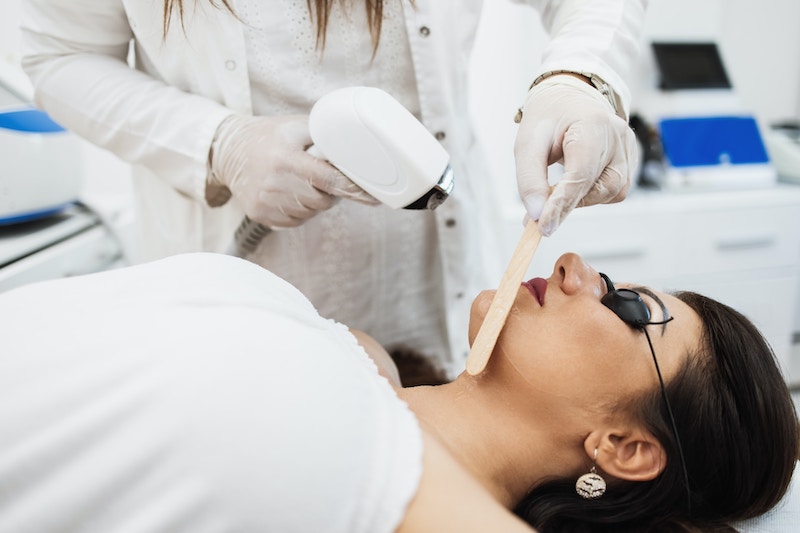
The higher the optical density figure, the more light will be blocked – meaning the better your eyes will be protected. As an example, laser safety glasses that have an optical density of seven will block out all but 0.00001% of a laser’s frequency. In general, most medical facilities recommend wearing laser safety glasses that have an optical density of five or more when using?medical laser devices.
Finding Out Laser Frequency
To determine the level of optical density required, you need to find out the laser frequency of the device to be used. This information can usually be found either on the serial plate or in the instruction manual of the laser. If these details can’t be ascertained, ask the laser safety officer in your place of employment for the information. The laser’s frequency (also known as its wavelength) is listed in nanometers.
Once you know the laser’s frequency, you can ensure the laser safety glasses offer sufficient protection.
Decrease in Visibility
A decrease in visibility is one of the potential drawbacks of laser safety glasses, especially those with higher levels of optical density. However, there are now options available that come with clear lenses, no matter how high the optical density protection offered, so these may be worth considering, especially if you work indoors,?such as in a laboratory.
What is a Laser Safety Glasses Optical Density Calculator?
There are several free-to-use online calculators that can help you determine the recommended level of optical density required to protect the eyes when using specific laser systems and devices. Usually, for accurate results, you’ll need to input the relevant pulse mode, wavelength, and average power of the laser.
These tools can be a useful means of checking that your protective?eyeglasses are of a high enough optical density to ensure you won’t be exposing your eyesight to risk.
Things to Consider When Choosing Laser Safety Glasses
As well as the laser’s wavelength and the protection level required (the optical density), choose glasses that offer the highest level of visibility and the frame that fits you best. Many laser safety glasses can be fitted with prescription lenses, or alternatively, you could opt for protective eyewear that can be comfortably worn over your regular spectacles.
Laser safety glasses fall into three main categories: polycarbonate, glass,?and dielectric-coated. Polycarbonate options tend to be lightweight, are the most cost-effective of the three, and can block out ultra-violet, visible light, and near and far infrared (IR). Glass laser safety eyewear is comparatively heavier and more expensive and can protect against infrared. Finally, dielectric-coated eyewear, which is also heavier than polycarbonate when worn and is the costliest of the three options, can block out a wide range of wavelengths, depending on the specific type.
When Might I Need to Use Laser Safety Glasses?
Laser safety glasses should always be worn when using a high-powered laser to prevent potentially serious damage to the eyes. To give you an idea of the sort of optical density required for different lasers, if you undertake laser engraving, you’ll usually need to wear laser safety glasses that have an optical density of at least four. The use of a C02 laser, on the other hand, will often require you to wear protective eyewear with an optical density of at least six.
It’s vital, however, to be aware that the above examples are a guide, and you should carefully consult the user manual of any laser you will be operating to ensure you’re wearing the correct level of eyewear protection.
Why It’s Crucial to Use Glasses with the Correct Optical Density
Working with lasers can pose a major risk if the correct protective equipment isn’t used and the laser isn’t operated properly. Specific risks to the eyes include vision damage, blindness, and burns around the skin of the eyes.
As well as the power of the laser, other factors will come into play when an injury is sustained, such as proximity to the laser and the amount of exposure time. ?
Laser Safety Glasses: Calculating the Risk
When using lasers, it’s absolutely vital to ensure you not only wear laser safety glasses but ensure that you’re wearing eyewear with the correct level of optical density to protect your eyes as fully as possible. Fortunately, figuring out the strength of the optical density required is an easy task: consult the user manual of the laser to be used, and check an OD calculator to get the eyewear you need.
Branded content furnished by our promotional partners. The Daily Sundial editorial staff is not involved in its production. Content does not reflect the views or opinions of the editorial staff.