

Content provided by legal writers
In a legal world filled with complex terms and acronyms, it’s easy to scroll past the news and miss what’s really going on. But every so often, a piece of legislation has the potential to affect real lives in extraordinary ways. That’s the case with JASTA claims, a unique legal path that allows U.S. citizens to take on foreign governments and organizations that are suspected of supporting terrorism.
It sounds like a movie plot, but it’s real. And if you’re wondering how it all works, or what it means for justice, accountability, and even international relations, you’re not alone.
What Is JASTA and Why Was It Passed?
JASTA stands for the Justice Against Sponsors of Terrorism Act, a federal law passed in 2016. It was created to give victims of terrorism, especially from attacks like September 11, a legal path to sue foreign governments, organizations, or individuals accused of financially or materially supporting acts of terrorism on U.S. soil.
Before JASTA, international law, and particularly the Foreign Sovereign Immunities Act, mostly shielded foreign countries from being sued in U.S. courts. JASTA changed that. Now, if a foreign state is shown to have provided support to terrorists, it can be brought to court in the United States.
This has opened new doors for survivors and victims’ families, giving them a chance to seek compensation and hold accountable those who may have once been beyond legal reach.
Who Can File a JASTA Lawsuit?
To file a lawsuit under JASTA, a plaintiff must be:
- A U.S. citizen or entity.
- A victim, or family member of a victim, of a terrorist attack on American soil.
- Able to provide evidence linking a foreign state or organization to that act of terrorism.
Importantly, these cases often rely on extensive investigative work, including declassified intelligence, expert witness testimony, and deep legal research.
It’s not enough to say a government “might have known” something. Plaintiffs have to demonstrate that the foreign entity knowingly provided substantial assistance, financial, logistical, or otherwise, that was used in planning or carrying out the attack.
How Does a JASTA Lawsuit Actually Work?
A JASTA lawsuit follows many of the same basic procedures as other civil suits, but with a few major differences:
- Filing in Federal Court: Most JASTA lawsuits begin in U.S. District Court. The complaint outlines who is being sued, what the allegations are, and what damages are being sought.
- Overcoming Sovereign Immunity: Plaintiffs must show that the defendant (typically a foreign country) is not protected under sovereign immunity laws because of their support for terrorism.
- Discovery and Evidence: This phase can be long and complex. Lawyers gather documents, testimonies, and expert analysis to prove their case. In JASTA cases, this often includes sensitive political and intelligence materials.
- Trial or Settlement: Many JASTA lawsuits don’t make it all the way to trial. In some cases, diplomatic negotiations or settlements can resolve the issue earlier. But when they do go to court, these trials can be historic and high-profile.
- Enforcement of Judgments: Even if plaintiffs win, collecting damages can be difficult, especially if the defendant country refuses to cooperate. In those cases, plaintiffs may seek to seize that country’s assets in the U.S.
The 9/11 Connection: A Case Study
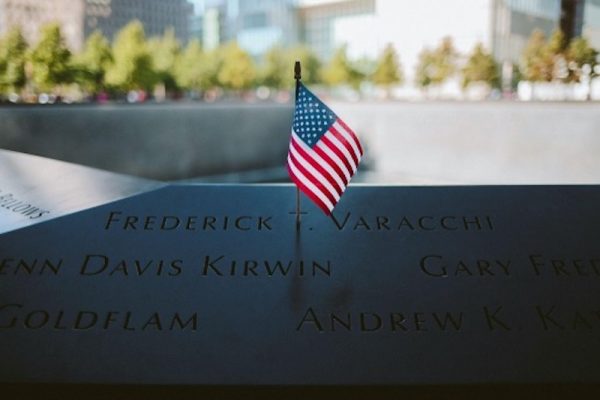
The most widely known use of JASTA has been by families of 9/11 victims, many of whom have filed lawsuits alleging that the Saudi Arabian government played a role in supporting the terrorists who carried out the attacks.
While the Saudi government has consistently denied these allegations, the cases are still unfolding and represent the most high-profile example of JASTA’s reach.
These lawsuits aim not just to win compensation, but also to reveal deeper truths through discovery, potentially reshaping public understanding of what led up to the worst terrorist attack in U.S. history.
Why It Matters Today
JASTA lawsuits are about more than just legal precedent, they’re about justice, accountability, and giving a voice to victims who’ve waited years, sometimes decades, to be heard.
In the world of international relations, JASTA is controversial. Some critics say it undermines diplomatic norms and could lead to retaliatory lawsuits against the U.S. Others argue that accountability should never be off-limits, especially when lives are lost.
What’s clear is this: JASTA has already redefined what’s possible when it comes to international litigation.
Not Just Governments – Organizations Too
While much of the attention focuses on foreign governments, JASTA lawsuits can also target private individuals and organizations accused of aiding terrorism. For instance, financial institutions, charities, or businesses that knowingly provided support to extremist groups may also be held liable.
That makes JASTA not only a tool for national justice but also a global warning: aiding terrorism can come with real consequences, no matter how far away you are.
Barriers and Challenges
Bringing a successful JASTA claim isn’t easy. Plaintiffs face several hurdles:
- Legal Complexity: These are not straightforward cases. Legal teams must navigate U.S. law, international law, and foreign relations policy all at once.
- Proving Causation: It’s not enough to show a foreign state was linked to a terrorist group. You must show that their actions directly contributed to a specific act of terrorism.
- Political Pressure: Because these cases can strain diplomatic ties, there may be behind-the-scenes political resistance, though JASTA is designed to shield the courts from that influence.
What Do These Cases Accomplish?
Even when financial compensation isn’t secured, JASTA lawsuits can serve other important purposes:
- Truth and transparency: The legal process forces information into the public domain.
- Deterrence: Governments and organizations may be less likely to support terrorism if they know legal consequences could follow.
- Recognition: For many victims and their families, just having their day in court is a meaningful form of justice.
Real-World Progress
So far, JASTA-related litigation has resulted in some major breakthroughs in previously stalled legal efforts. While these lawsuits are long-term efforts, their very existence has encouraged other governments to increase cooperation in counterterrorism investigations and reparations.
The law has also spurred the legal community to specialize further in cross-border terrorism litigation, with new firms and departments now dedicated to JASTA cases.
According to the U.S. Department of State, international terrorism remains a persistent threat, and legislation like JASTA plays a key role in holding enablers accountable.
Should the Law Be Expanded?
Some legal experts and victims’ rights groups have called for expansions to JASTA, including provisions to:
- Cover cyberterrorism and tech-platform facilitation.
- Allow more expansive subpoena power for international documents.
- Extend time limits for filing claims due to the complexity of gathering evidence.
Whether these reforms are politically feasible remains to be seen, but they reflect a growing recognition that terrorism in the 21st century often moves faster than legislation.
International Repercussions and Diplomatic Tensions
While JASTA empowers American victims, it also stirs considerable concern abroad. Several allied nations voiced opposition when the bill was passed, citing fears that it could prompt similar legislation in their own countries, allowing foreign courts to prosecute U.S. actions overseas.
Saudi Arabia, in particular, has lobbied against JASTA and warned of potential diplomatic fallout. The tension has even sparked debates within the U.S. about balancing victim rights with broader geopolitical stability.
Still, proponents of the law argue that justice should not be subject to diplomacy. If a government or organization knowingly aided terrorism, they say, they must be held accountable, regardless of politics.
JASTA lawsuits represent a unique intersection of law, justice, and global accountability. For victims of terrorism, they offer more than just a chance at compensation, they offer hope for recognition, responsibility, and reform.
As the world becomes increasingly interconnected, laws like JASTA remind us that even across borders, justice doesn’t have to stop at the water’s edge.
This content is provided by an independent source for informational purposes only and does not contain legal advice. Consult an attorney or financial advisor when making decisions. This information is provided by legal writers and does not reflect the views or opinions of The Daily Sundial editorial staff.