You need to be bored more often.
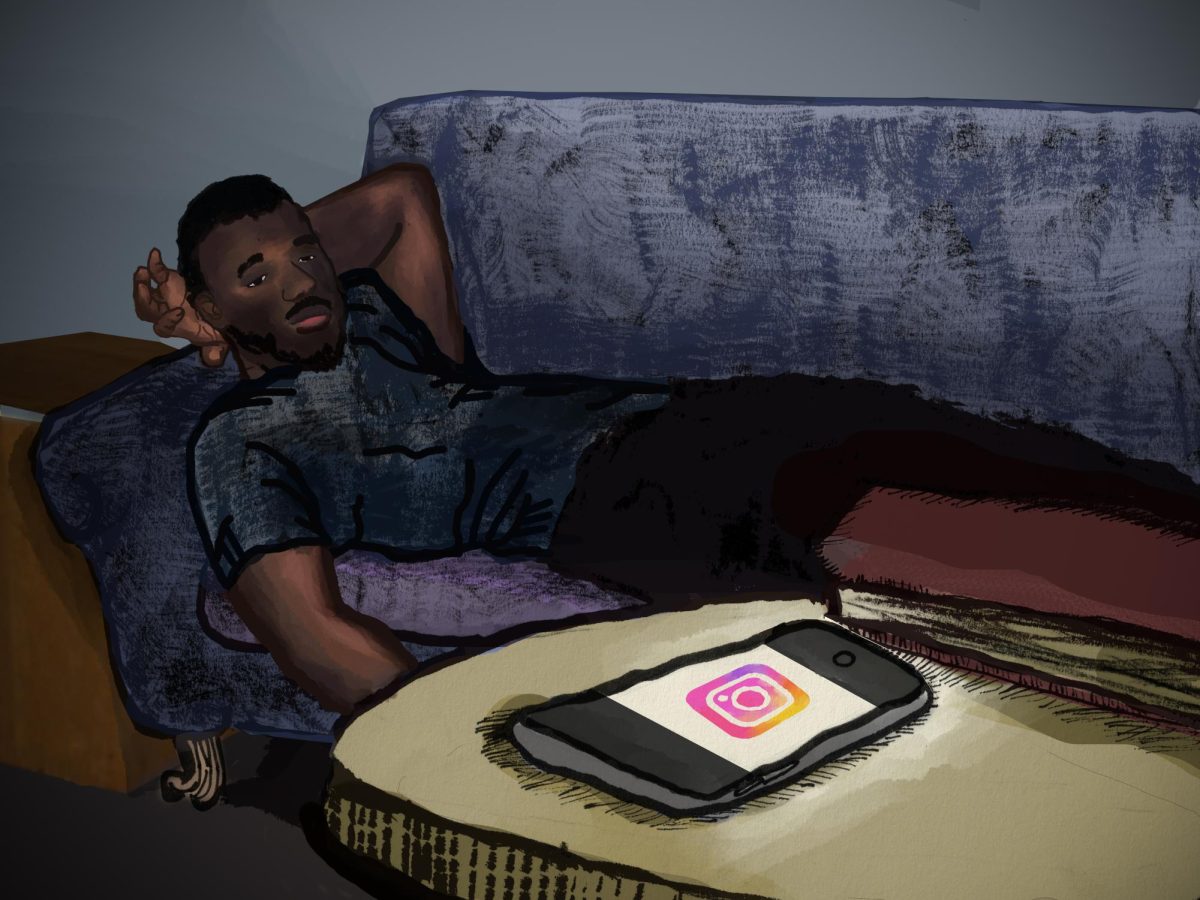
We have the internet at our fingertips, we carry it in our back pockets and indulge in it any chance we get. This sounds amazing – we’ve advanced so far that any website is no longer restricted to a desktop. We’re never too bored, and that’s concerning.
Social media has mastered the art of attention capturing. According to a Cereus article, companies use machine learning algorithms to attract consumers and keep them scrolling. This has significantly damaged our brain’s reward system, known as the mesolimbic system.
The reward system is how we receive dopamine after experiencing “rewarding stimuli.” We love these dopamine hits, which is why it is so hard to put our phones down. Our brains expect a constant stream of rewarding stimuli.
This never-ending dopamine cycle leads to developing addictions – and not only to social media. According to the article, dysregulation in the brain regions that are “critical in developing and maintaining addictive behaviors” can erode decision-making controls, as well as the regulation of emotions and actions.
I often see people complain about the lack of empathy and amount of desensitization in society today, but I see that as a direct result of growing up in the digital age. People are rotting the parts of their brain responsible for their emotions.
It doesn’t help that during this constant stream of content, we are more susceptible to viewing violent imagery. Research from the eSafety Commissioner, the independent online safety regulator for Australia, shows that over 70% of children were exposed to content associated with harm online.
I’ve fallen into the trap of the constant doomscrolling cycle as well. It feels near impossible to break. The habit of pulling out your phone whenever there’s a hint of awkwardness or whenever you have nothing else to do has been ingrained in our behavior.
There is a way to combat it, and it’s quite simple. You need to be bored more often.
The more you let yourself be bored, the better your brain becomes at responding to it without reaching for a device. An article by Dr. Ashok Seshadri states that boredom – which he refers to as a resting state – “can be a creative time, and it can lead to finding creative solutions to problems that are bothering people.”
Fortunately, it seems Gen Z is becoming aware of their social media addictions and have begun what some jokingly call “raw dogging” life – going without constant digital stimulation. Although it started as a silly trend, it shows how beneficial it can be to spend even an hour a day with your own thoughts, or for some people, a seven-hour flight.
Reclaim the attention span that companies have taken from you. Although the restlessness will be uncomfortable at first, eventually you won’t reach for your phone as often. We could all use a little more reality time, or as Gen Z likes to call it, raw dogging.