Branded Content by Cosmic Press
In recent years, aesthetic medicine has evolved from a niche specialty to a thriving branch of modern healthcare—and colleges are taking notice. Across the country, universities and medical programs are now weaving botox training directly into their curricula, recognizing that future physicians, nurse practitioners, and physician assistants must be equipped with both clinical skill and aesthetic understanding. What was once considered a purely cosmetic procedure has become an essential part of patient care, blending artistry, anatomy, and advanced medical science. Here’s how institutions are reshaping their approach to prepare the next generation of aesthetic professionals.
From Elective to Essential: Botox Enters the Medical Mainstream
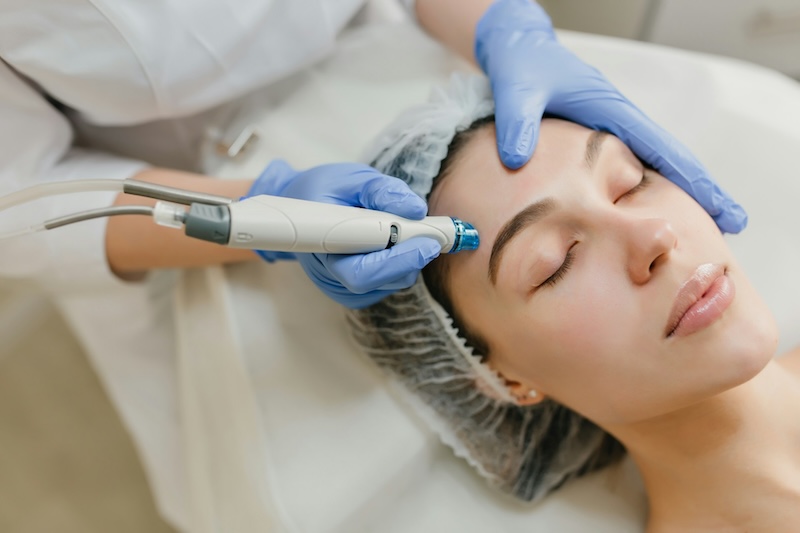
It wasn’t long ago that aesthetic procedures were reserved for specialized cosmetic clinics. Today, Botox is one of the most commonly performed medical treatments worldwide—used not only for wrinkle reduction but also for migraines, muscle disorders, and hyperhidrosis. Recognizing its broad therapeutic range, many colleges are integrating Botox education into their medical, dental, and nursing programs.
By offering structured training modules, universities ensure that students understand both the cosmetic and clinical applications of injectables. In programs like these, future healthcare providers learn the underlying anatomy, patient safety protocols, and ethical considerations tied to aesthetic medicine—turning Botox from an elective skill into a professional standard.
Hands-On Learning in Simulation and Clinical Labs
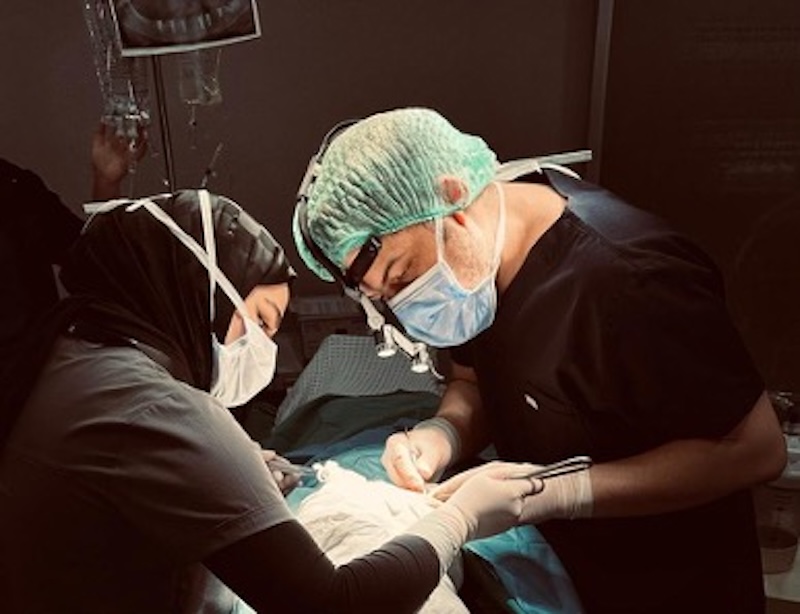
Classroom theory is just one part of the puzzle. To master Botox techniques, students need practical, hands-on experience—and colleges are delivering that through simulation labs and supervised clinical sessions. In these settings, students practice injection techniques using anatomical models or cadaver-based training before moving on to live patient sessions under faculty guidance.
This experiential learning approach bridges the gap between theory and real-world practice. It allows students to build confidence, refine precision, and understand patient outcomes. Institutions that invest in this kind of immersive education are producing graduates who are not only technically skilled but also attuned to patient comfort and safety—two pillars of successful aesthetic medicine.
Integrating Aesthetic Science with Medical Ethics
One of the most important developments in modern Botox education is the emphasis on ethics and professionalism. Colleges are framing aesthetic medicine not as vanity-driven work but as a legitimate medical service that can improve patients’ confidence and quality of life. Coursework often includes case discussions on consent, patient communication, and managing expectations—crucial elements for building trust in aesthetic practice.
By combining these ethical lessons with scientific training, students learn to view Botox and other injectables as part of a holistic approach to wellness, rather than mere cosmetic enhancement.
The Future of Aesthetic Education
As demand for aesthetic treatments continues to rise, educational institutions are ensuring their graduates are prepared to meet it safely and skillfully. By integrating botox training into their curricula, colleges are helping future medical professionals master a valuable skill that blends science, technology, and artistry.
This evolution in education represents more than just a trend—it’s a recognition that aesthetic medicine is a vital and respected field. With the right training and ethical foundation, tomorrow’s practitioners will be able to offer care that enhances not just appearances, but confidence, well-being, and self-expression.
Branded content furnished by our promotional partners. The Daily Sundial editorial staff is not involved in its production. Content does not reflect the views or opinions of the editorial staff.