
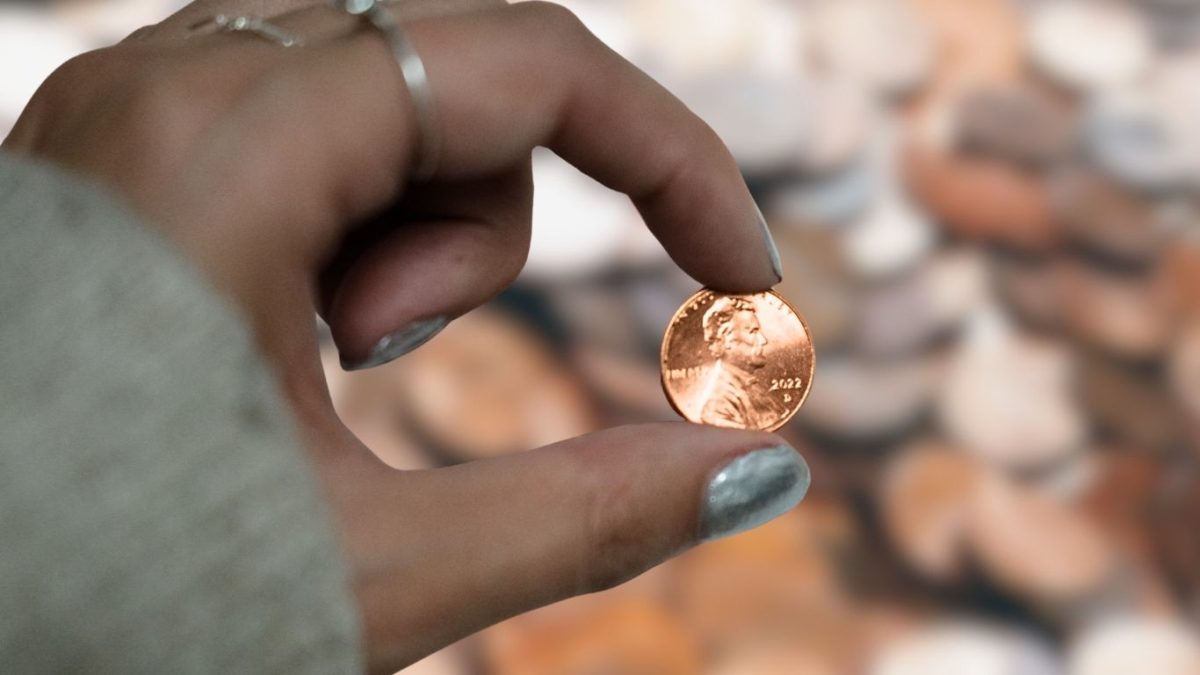
After more than 232 years in circulation, the United States Mint pressed the final penny on Wednesday in Philadelphia. U.S. Treasury Secretary Scott Bessent and U.S. Treasurer Brandon Beach were both present in commemoration of the final pressing.
In a Truth Social post in February, President Donald Trump called on the U.S. Treasury to end the production of the one-cent coin.
“Let’s rip the waste out of our great nations budget, even if it’s a penny at a time,” Trump said.
Economic impact, consumer behavior and production costs were all cited as critical factors in the discontinuation of the one-cent coin. Notably, the production cost of the penny has risen from 1.42 cents to nearly 3.69 cents per penny, making the zinc-based coins ultimately unsustainable.
The discontinuation aims to save taxpayers more than $56 million in material costs, ultimately benefiting the consumer, though consequences for cash-handling businesses are unclear.
Most businesses that handle cash will likely round any cash transactions down to the nearest nickel, which the Federal Reserve Bank of Richmond refers to as a “rounding tax.”
“[W]e estimate that rounding tax could cost U.S. consumers approximately $6 million annually,” the Federal Reserve Bank of Richmond said.
The demise of the penny follows a slow fall in the popularity of cash over debit and credit cards and digital payment options.
Following the COVID-19 pandemic in 2020, cash payments have fallen in popularity. According to a 2023 report by the Federal Reserve Bank of Boston, cash payments suffered a steep 7% drop in 2020, falling from 26% of all payments surveyed to only 19%.
It is unclear whether this drop in the popularity of cash payment had any significant impact in the decision to discontinue production of the penny.
Though no more pennies will be made, all existing pennies will still be legal tender. A statement from the U.S. Mint estimates that more than 300 million pennies exist in circulation, “far exceeding the amount needed for commerce.”
The greater impact of the decision remains to be seen as businesses and consumers face an impending penny shortage.
“Now I’m going to have to chime in with my 5 cents. Inflation is real,” one Instagram user commented, following a report by AP News.