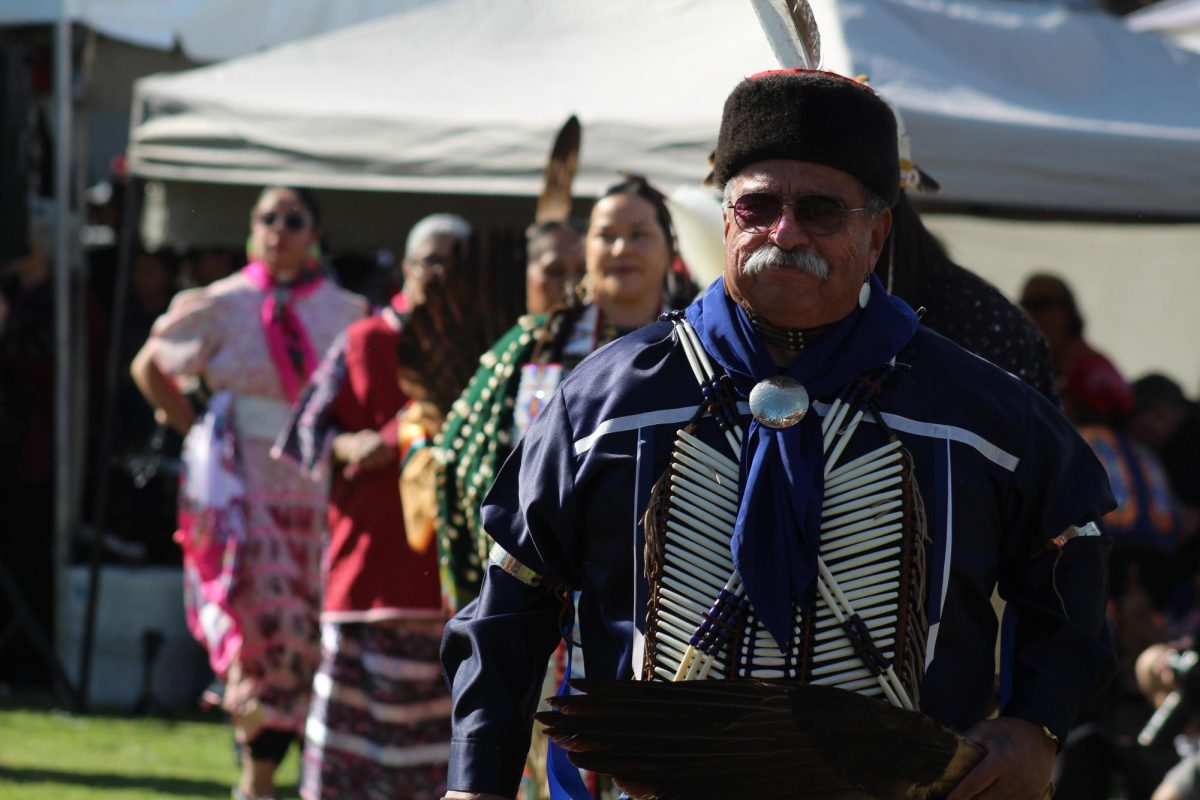
For four decades, CSUN’s Powwow and the 50-year American Indian Studies Program have brought the campus together in honoring Indigenous culture, community and resilience.
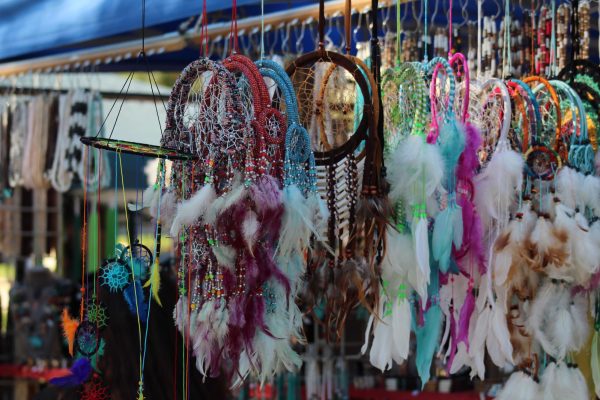
What began as a small celebration has grown into a vibrant annual Powwow, which took place on Nov. 29, and attracted thousands of attendees, many vendors, nonprofits and community members. A powwow is a traditional gathering that features dancing, drumming, singing and community celebration in honor of Indigenous cultures.
Teresa Williams León, director of the American Indian studies program and CSUN’s Senior Tribal Liaison Officer, highlighted the significance of the powwow, reflecting on a painful history.
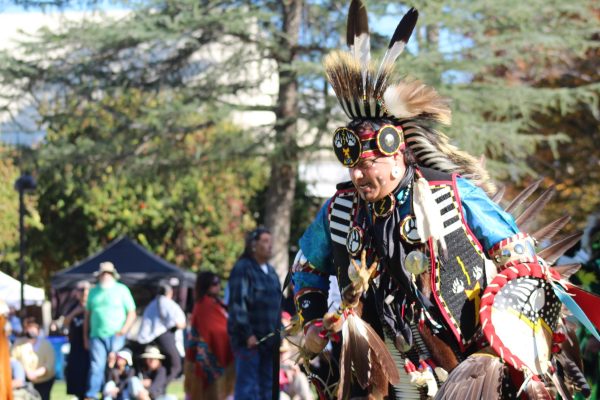
“There was a time when native people were legally prohibited from dancing, forced to cut their hair, not allowed to wear their regalia and not allowed to speak their language and just horrific history,” León explained. “Being able to have powwows, where people are gathering spiritually, socially, culturally, politically, is really a form of powerful resistance and a statement that says Native people are still here.”
American Indian studies is the second oldest ethnic studies program, after Africana and Chicana/o studies. León explained that it was a small program until Scott Andrews from the College of Humanities English Department gave it a permanent home there.
“American Indian studies contributes tremendously because it recognizes the original peoples within the context of the United States,” Leon said. “So, there are federally recognized, non-federally recognized tribes, those who are trying to get federal recognition. Los Angeles is the home of the largest Native population in the nation.”
CSUN occupies the ancestral and unceded territory of the first people of Sesevenga, the Sesevitam, descendants who are citizens of the Fernandeño Tataviam Band of Mission Indians.
Debbie Martinez-Rambeau has been part of the Powwow committee, selecting the head staff and making suggestions over the years. Martinez-Rambeau is a Southern California Yaqui and was a student during the first Powwow. She explained that the beauty of the Powwow is that it never evolved and is a traditional, family-oriented gathering with little competition.
“The great thing is that every year, we can bring our families, and we can introduce our babies to the circle for the first time,” Martinez-Rambeau said. “We can bring out someone and honor them if they’re going into the service. We can come and have a coming out ceremony, which is introducing a new dancer who’s decided to carry on the tradition of that particular dance style.”
For Martinez-Rambeau, the Powwow is important for CSUN and local Indigenous communities because it’s a place to gather and a way to introduce the university to international Indigenous people. She said sharing with the community at large is important, since many might not realize they are still present.
CSUN student Diogo Lopez attended the Powwow for the first time last year and explained that for new students attending, it’s important to be open to learning, always show respect for different cultures or traditions and ask permission to be in people’s spaces.
“Everyone’s kind over here, so you really have to be respectful. It’s a different culture or tradition – genuine admiration and mutual respect is where you go,” Lopez said. “Always, especially for powwows, have respect and don’t comment on what you really don’t know.”
To learn more about the American Indian studies program, view their page.