Latin influence on modern America has never been stronger. From chart-topping artists like Bad Bunny to fashion pioneers like Gabriela Hearst, Latin creativity has established its place in global pop culture.
This shift isn’t a passing trend but rather a movement redefining music. As reggaeton fills mainstream airwaves and Latin-inspired designs appear on high-fashion runways, it’s clear that this cultural fusion is here to stay.
In this evolving landscape of music journalism, CSUN alumna Thania Garcia’s journey reads like a digital coming-of-age story. Her path from a One Direction fan account to becoming an associate music editor for Variety is a testament to the power of fandom and how the line between consumer and creator continues to blur.
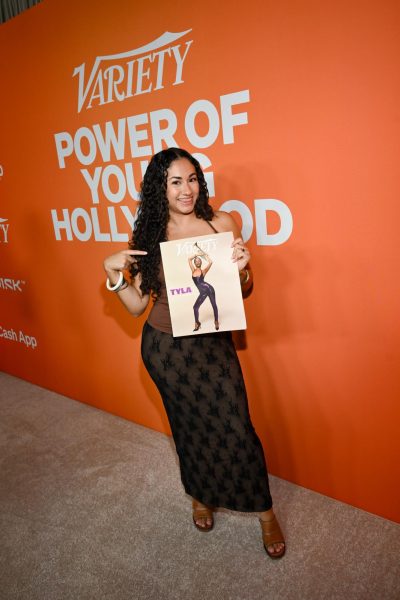
Garcia’s energy was palpable as she recalled how a One Direction Twitter update account sparked the start of it all.
“At first, it was just for fun, but then it became very journalistic even though I didn’t realize that at the time,” Garcia said. “I would tweet chart updates. If they released something that hit number one, I would tweet it out, or if they were playing a concert. So, it became quite journalistic.”
That accidental step into journalism paved the way for her career. It helped her form her earliest industry connections and encouraged her to launch her own music blog, where she interviewed anyone willing to talk. After graduating in 2021, she landed an editorial internship at Billboard, which led to her current role at Variety, where she has been ever since.
What stands out about Garcia’s work is how her roots as a fan continue to shape her storytelling. Her writing retains the curiosity and empathy of someone who still sees artists through a fan’s lens. This perspective lends originality and warmth to her coverage, grounding it in a genuine love for music.
Now, as Variety’s associate music editor specializing in Latin entertainment, Garcia’s days are filled with breaking news, features and even chasing down Kendrick Lamar’s latest video shoot while on assignment.
“I cover breaking and daily news related to music,” Garcia said. “I also write features and profiles, conduct video interviews and manage cover stories. It’s a wide range, but most of my days involve keeping up with current events in music.”
Garcia acknowledged that moving from writer to editor came with a steep learning curve. She often felt unsure in the beginning because the responsibilities were significantly different; instead of focusing only on her own work, she suddenly had to guide and manage others.
“When I started, I felt overwhelmed because they wanted me to cover Latin music, especially since Bad Bunny had just released “Un Verano Sin Ti,” one of the biggest Latin albums of the last couple of decades,” Garcia said. “Latin music was having its moment, and I was expected to spearhead all that.”
According to Garcia, the work has brought meaningful milestones.
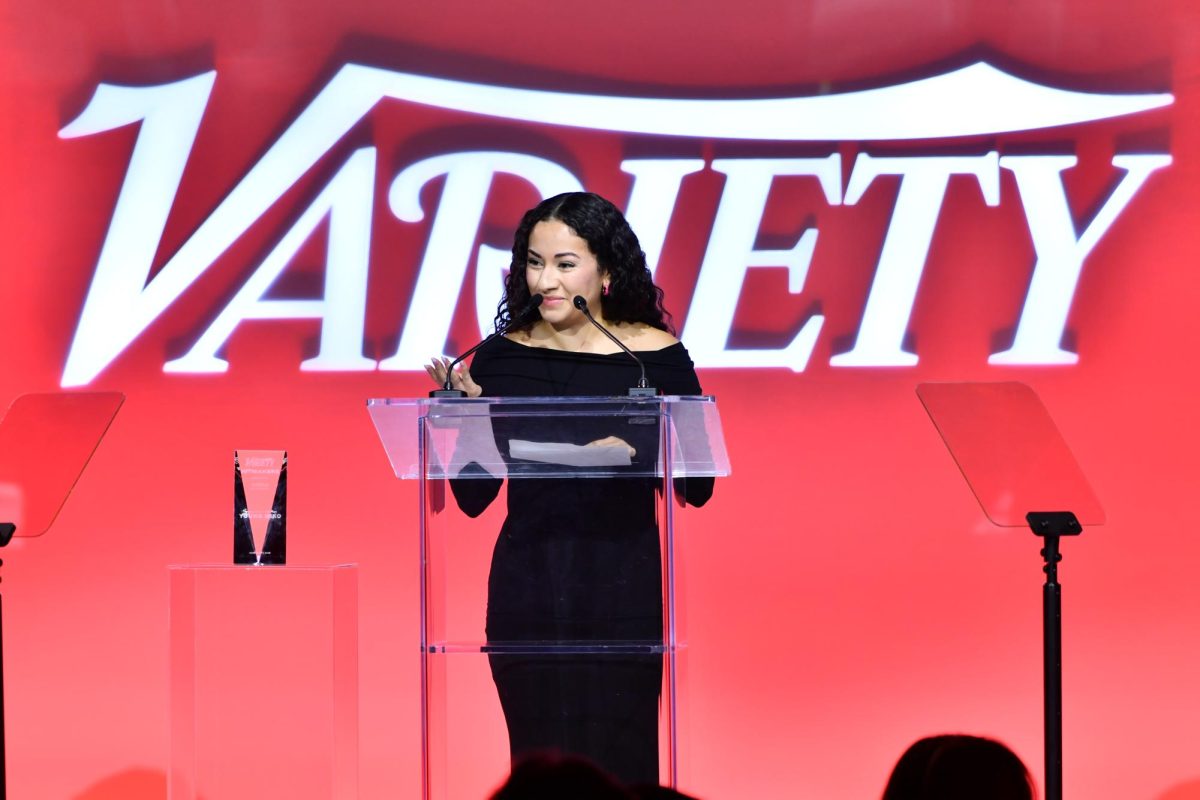
She explained that Variety hosts an annual music awards show recognizing the top 25 songs of the year. With Mexican music experiencing a major surge last year, she was responsible for identifying the right artists and representatives to feature across the event’s platforms.
“We awarded a Mexican artist at our show for the first time, which was really fulfilling,” she said.
Garcia described the experience as a full-circle moment, introducing the artists in Spanish before an audience that included Billie Eilish, Olivia Rodrigo and Sabrina Carpenter, a milestone that felt especially meaningful given her early insecurities about her place in the industry.
“Ending the year on such a high note and recognizing those artists was significant. Giving them space at a major U.S. publication was a big moment, and it received wide coverage in the Latin press. It felt like, ‘Okay, I’m doing my job right,’” Garcia said.
Garcia’s insight into the rise of Latin music in North America highlights a broader cultural shift fueled by streaming and representation.
“It’s not just music, it’s about Latin media as a whole,” she said. “There’s a demand for bilingual content – people want to feel represented, and that’s what we’re seeing now.”
Garcia noted that challenges remain, especially around representation. She said that despite progress in placing Latinos in positions of influence, the industry still lacks diversity. She is often the only Latina person on her team, which she said can make key decisions more difficult.
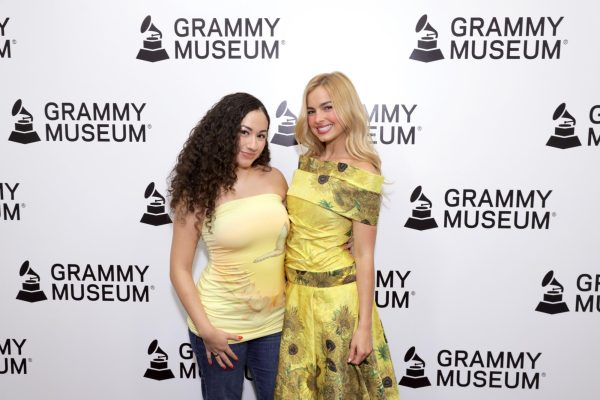
While audiences have become more open to diverse music, she explained industry gatekeeping remains tied to money. Much of her job involves educating colleagues and sponsors about the Latin music landscape, since even artists with strong streaming numbers and loyal fan bases still have to advocate for their worth.
Garcia has the pressuring role of being the go-to voice for Latin music.
“It is a lot of pressure. I appreciate being in this role but it shouldn’t solely fall on me. … I rely on other Latin journalists for perspective and strength,” Garcia said. “Community is powerful, especially as I also cover genres like Afrobeat and K-pop.”
Her words highlight the importance of collective advocacy and representation across genres. While journalists like Garcia play vital roles in expanding visibility, she emphasized that the responsibility for understanding diverse musical cultures must be shared across the industry.
Garcia’s journey reflects more than personal growth. It mirrors the transformation of music journalism itself where authenticity, digital fluency and cultural literacy are just as crucial as traditional reporting skills.
“I want to tell stories about the culture pop brings,” Garcia said. She paused before adding, “The culture that pop is.”