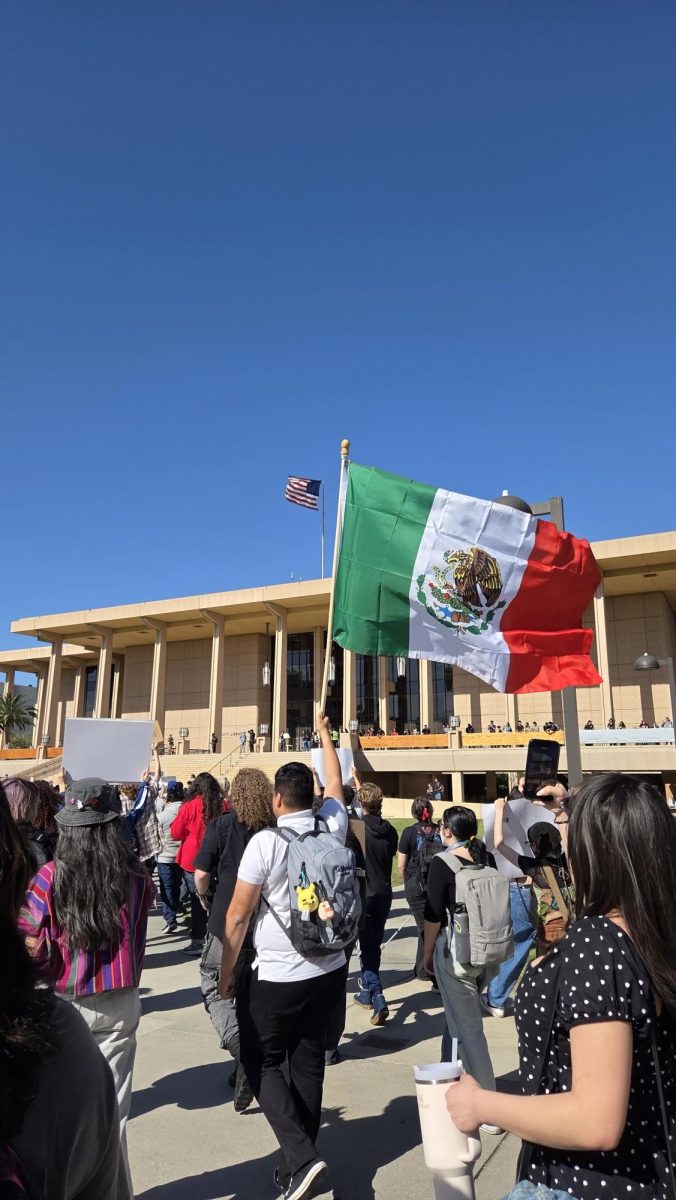
The semester began with grants being cut left and right by the Trump administration, with one of the most notable cuts being made to Hispanic Serving Institute (HSI) grants.
As the semester comes to a close, uncertainties swirl about what these grant cuts mean for CSUN, where Hispanic-identifying students make up 57.5% of the university’s student body.
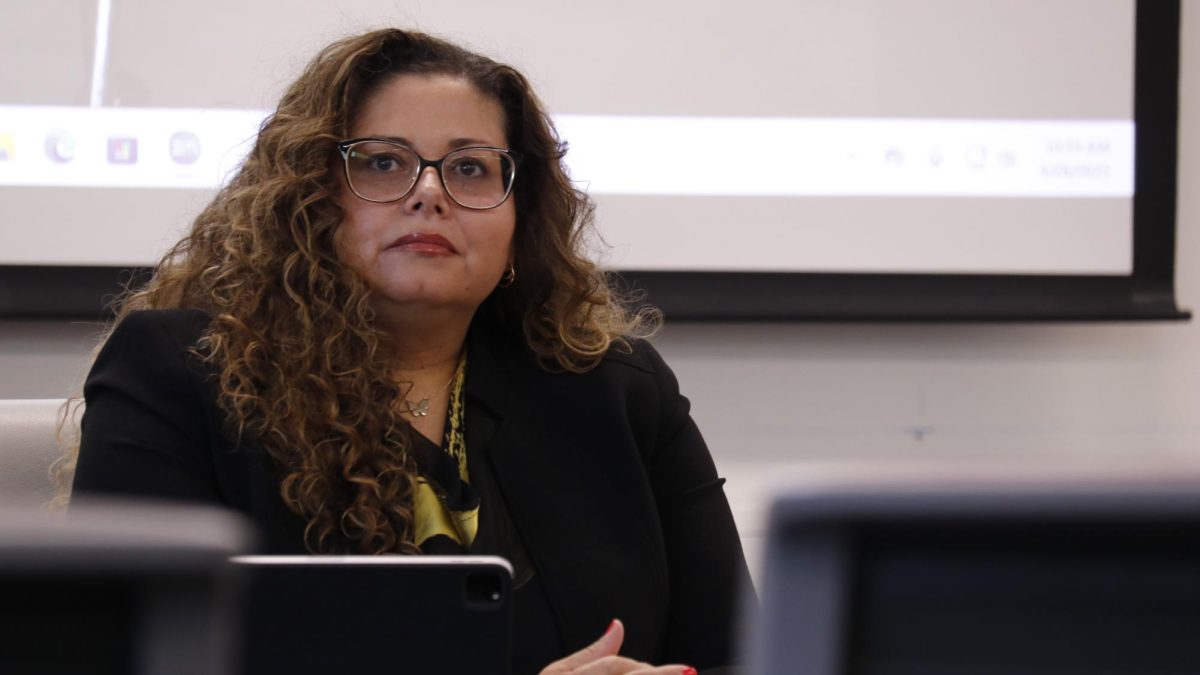
Amanda Quintero, equity innovation officer for the Global HSI Equity Innovation Hub, said a loss in funding does not negate the responsibility CSUN has to its students.
A conversation with Amanda Quintero
Quintero wants to set the record straight – while HSI grant funding has been cut, CSUN has not lost its HSI designation.
“They are actually two separate sort of things, and there’s some historical purposes for how all of this came about,” she said.
The U.S. has a large and continuously growing HSI landscape. In order to be designated as an HSI, a university must enroll at least 25% Hispanic or Latinx undergraduate students, as well as have 50% of students come from underserved communities.
As of the 2023-2024 school year, there are 615 institutions that have met the HSI designation requirements, with 171 of those schools being in California.
According to Quintero, the history behind the creation of HSI grants began in the ‘80s, when a group of advocates revealed that many of these universities were under-resourced and under-represented. In 1992, the Higher Education Act created a grant program to provide these institutions with federal funding.
To meet the highly competitive grant program’s requirements, universities needed to follow a stricter definition of HSI – which CSUN did.
“They were very significant grants, and they ranged anywhere from, you know, $2.5 to $3.5 to $5 million depending on the actual program,” Quintero said, which she explained provided an immense amount of support to CSUN’s equity programs.
After more than 30 years of providing support, Trump eliminated the $350 million grant program eight months into his second term. On Sept. 10, the administration claimed in a statement that these grants “illegally restrict eligibility to institutions that meet government-mandated racial quotas,” which the Hispanic Association of Colleges and Universities (HACU) denies.
According to the HACU, the HSI designation does not correlate with admission criteria or decisions made in that regard.
Quintero believes these funds not only support Hispanic and Latinx communities, but serve the university as a whole. In noticing and acknowledging equity gaps with one demographic, Quintero said the university is then able to apply that knowledge to other communities on campus.
“It’s an investment to make the institution better at keeping pace with shifting student demographics and serving the students they serve, and it allowed a lot of flexibility to do that,” she said.
Despite the loss, Quintero said she and other leaders at CSUN are committed to continuing the important work of strategic planning to serve every student on campus. The loss of funding does not mean a loss in HSI designation, which holds a sense of responsibility for universities.
The difference now is that they must be more creative in how they pursue their goals. One way of doing this, according to Quintero, is to connect with and learn from the hundreds of other HSI’s putting in the work.
She said that CSUN must be “responsive and responsible” to the students they admit and maintain their commitment to strategic planning for long-term institutional changes. This includes ensuring a leadership infrastructure that focuses on the data, community involvement and the alumni network.
“If we don’t even know we’re missing the mark, we’re never going to be able to make a dent in improving that collective success for everyone,” Quintero said.
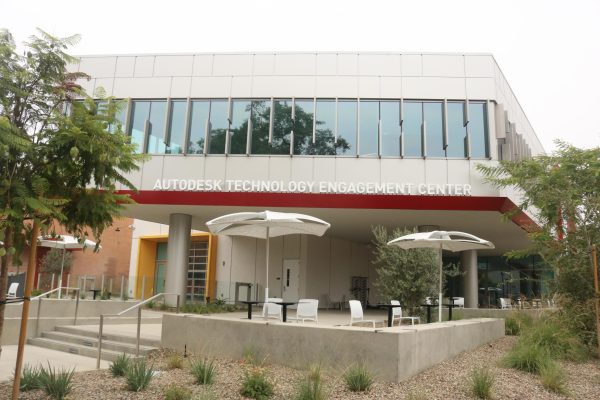
The Autodesk Technology Engagement Center is the newest addition to CSUN’s campus and homebase for the HSI Innovation Hub. Through the Hub, Quintero aims to continue her work in serving not only CSUN students, but the community as a whole. The center provides peer mentoring for K-12 students, focused on STEAM programming.
Above all, Quintero wants students on campus to know that her and her colleagues are dedicated to their work on campus. Though programs and grants are being cut by the Trump administration, she is more dedicated than ever to continue the work of intentionally serving students. “We are continuing on this journey, we’re continuing with our values, we’re continuing with our commitments,” she said. “Nobody’s taking that away from us, and we have the ability as stewards of CSUN now … to keep that door open for someone else.”