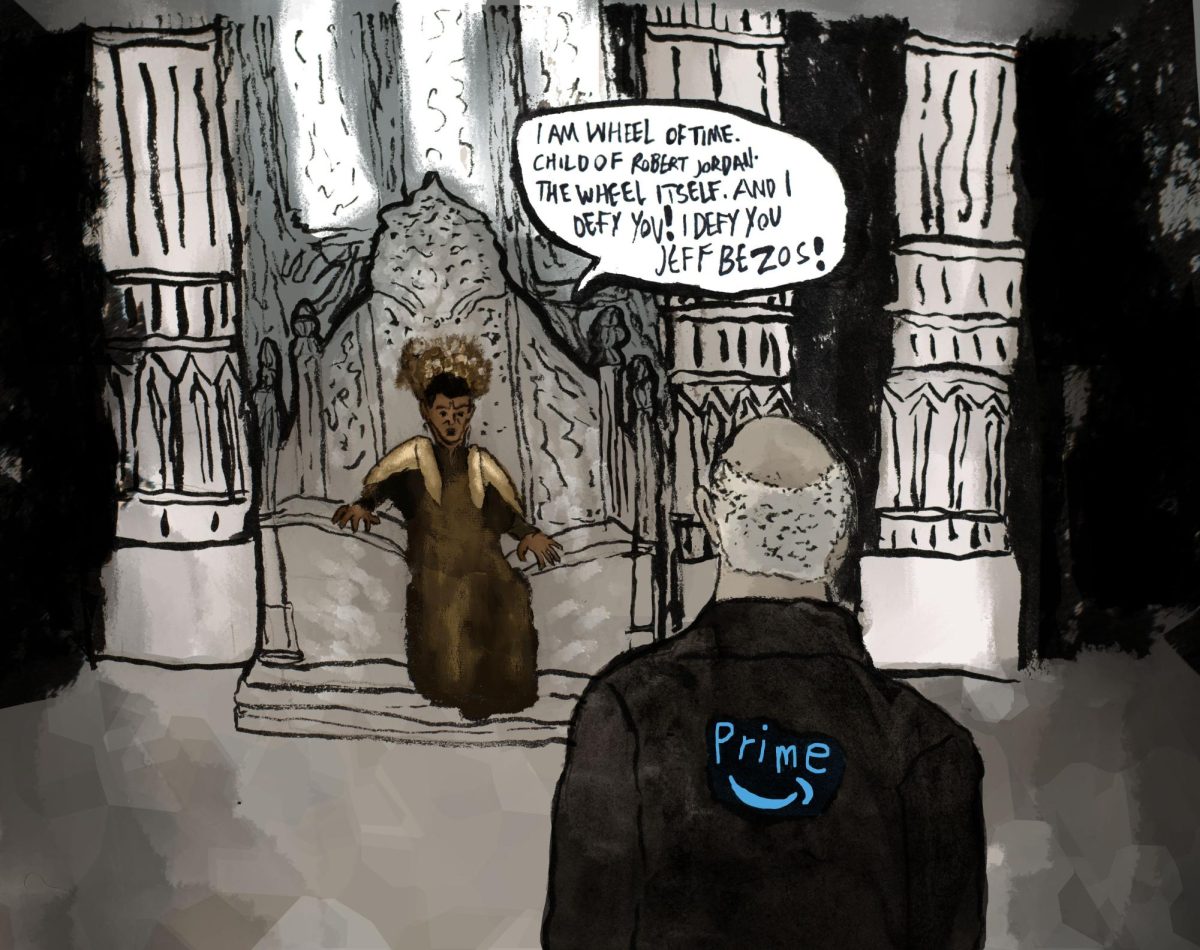
On Dec. 5, BBC reported the crushing news that Netflix had bought Warner Bros. Entertainment for an astonishing $72 billion. This news immediately sparked outrage amongst the film industry, with many prominent figures like James Cameron, Sean Baker and even the Writers Guild of America coming out and denouncing the merger, with many calling it a disgrace to film and all it stands for.
As an avid moviegoer, I stand with these figures and believe this merger will bring nothing but more profits for the board members who approved this and layoffs to employees who’ve dedicated their lives to bringing stories onto the big screen for us to enjoy. This entire situation looks like a stab in the back from Netflix and the first domino to the destruction of American cinema as this illegal monopoly rises to power.
Netflix already has such a poor reputation for the movies it creates, with Netflix lighting being a recent trend across social media, discussing how poor and monotone the production’s movies tend to be. These films are often described as soulless cash grabs with flat lighting that removes any emotion from the cinematography.
This trend alone exposes how Netflix has been linked to the decline of cinema. When streaming services started to take over during the pandemic, companies began to care about the quantity of films being pushed out instead of the quality. Netflix lighting supports this claim, as this copy-and-paste lighting style can be attributed to the decline in cinematography we’re seeing in films. The cinematography of a film is what brings in the emotions we feel and tells us how to interpret something, and without it, we’re left with nothing but a stale piece of media that is not worthwhile.
Streaming has been attributed to the decline in cinema for many reasons, but the biggest has to be the decline of ticket sales in theaters. This comes as Variety reported October of 2025 to be the month with the lowest grossing sales in over three decades. Although on paper this can be attributed to films just being flops, many films like “One Battle After Another” and “The Smashing Machine,” which saw Dwayne Johnson’s breakout dramatic role, also flopped terribly. To me, this was disappointing because in my opinion, they were both some of the strongest films I’ve seen in this decade.
The sad reality is that many just aren’t interested in going to the cinema anymore when movies will likely be on streaming weeks after their release date. With this mindset, we unknowingly contribute to the decline in cinema we’re seeing today. When films do poorly, they get thrown out the window, and fewer stories with a similar concept get thrown with them too, leading to less and less compelling movies being available.
Paul Thomas Anderson’s “One Battle After Another” is the strongest film to prove this. In his recent picture, we follow a leftist terrorist organization in defending marginalized communities and putting an end to the ICE raids and kidnappings we’re seeing before our very eyes today. When films like this flop, this tells production companies that audiences just don’t care about original pictures, which leads to more straight-to-streaming films that get categorized within the Netflix lighting insult.
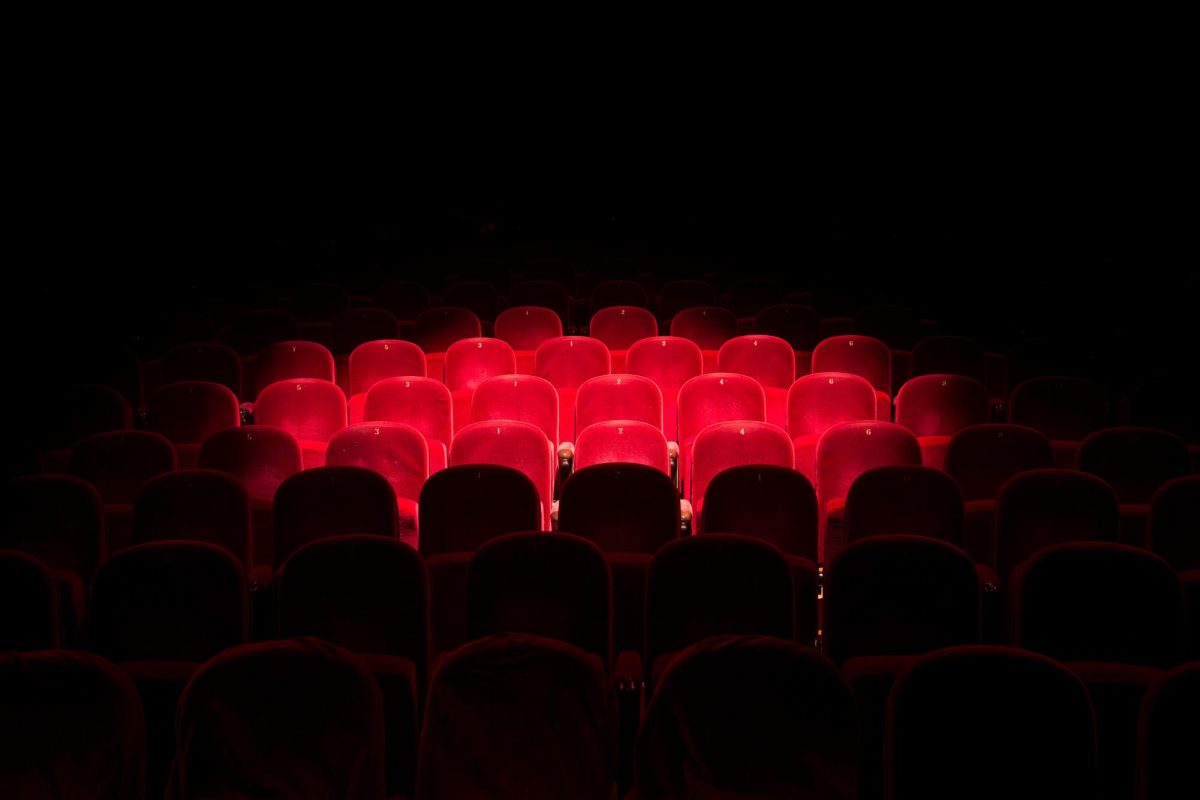
Beyond the quality of films that we’re going to lose with this merger is the theatrical experience so many of us have abandoned. Some of my earliest memories are going to the cinema with my parents and watching a movie, feeling inspired and full of creative drive afterwards. The theatrical experience isn’t just about watching the movie; it’s about being surrounded by the audience, the conversation before and after, as well as being a part of a group experiencing art together. It’s like comparing going to a museum to looking at a painting on your phone.
If we want to see more original pictures come to fruition instead of 20 sequels milking a series, we as an audience need to fight for our ability to view and experience the art. This decline in cinema has been a long time coming, and every time we let another movie flop and let another cinema shut down because of low ticket sales, we’re adding fuel to the fire of burning films and cinema history.
Some of the best efforts that can be made to combat this are supporting local cinema and shelling out the money when you can to go to the movies. The biggest reason I often hear from peers on why they hate the cinema or choose not to go is because of the price, and to a degree, they have a valid claim. From the $20 movie tickets to the $30 cost of popcorn and a drink, the cinema has become an egregiously expensive third space.
However, I still find a way to make due. With discount days, AMC A-List and free apps like Kanopy and Tubi that house dozens of classic films, I’m still supporting films even amidst a recession, and I recommend you do the same. Instead of spending $8 on Netflix, $12 on Hulu and $10 a month with HBO Max just to be stuck with ads, consider a movie pass and support new upcoming artists for a change and revisit the great movies of the decade by the cast and crews constantly fighting to keep their heads above water.
We’ve strayed so far from the cinema experience we used to have here in America, and by supporting these for-profit subscription services, we do nothing but dig our own graves. There can only be so many sequels, prequels and repetitive stories, but it will stay this way if we continue to ignore the original pictures hitting theaters, and continue opting for waiting until they’re on streaming, unknowingly killing the film industry in real time.