As awards season draws renewed attention to film music, the soundtrack for “Tron: Ares” stands out as one of the film’s most defining elements. Rather than merely supporting the visuals, the score shapes the film’s atmosphere, tension and emotional weight – reminding audiences why film scoring remains central to cinematic storytelling.
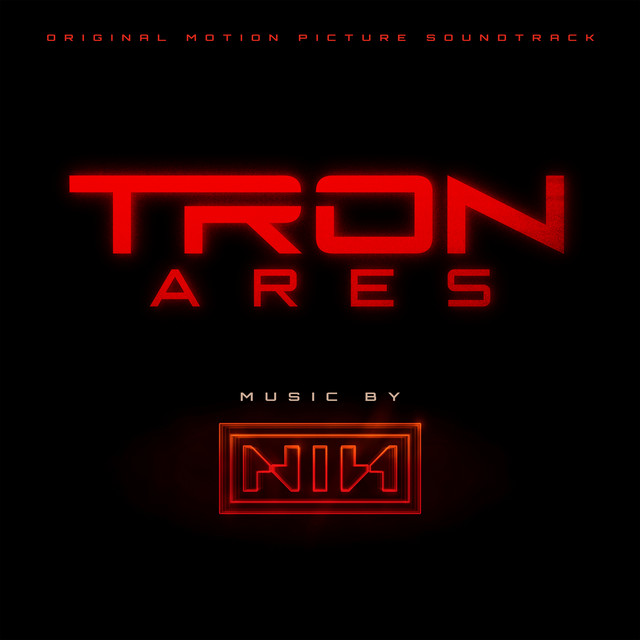
Available to stream on Disney+, the “Tron: Ares” soundtrack represents a bold evolution for the franchise, blending the retro-futurism that defined the original 1982 film with the harsher textures of modern industrial rock. Composed by Trent Reznor and Atticus Ross of Nine Inch Nails, the score pushes “Tron” into a darker, more aggressive sonic territory that reflects the film’s themes while redefining the franchise’s musical identity.
Music has always been paramount to the “Tron” series, serving as more than background accompaniment. Wendy Carlos’ electronic score for the original “Tron” helped establish the film’s futuristic persona, while Daft Punk’s soundtrack for “Tron: Legacy” became synonymous with the series’ sleek, digital aesthetic. With “Tron: Ares,” the franchise builds on that history, but trades polish for intensity, signaling a tonal shift that mirrors the darker, narrative direction the movie takes.
Throughout “Tron: Ares,” the score guides how the story is experienced by shaping tension and emotion rather than only filling silence. Pulsating synth patterns and distorted electronic textures build unease in moments of confrontation, particularly in sequences where the music escalates before the visuals do, while slower, restrained passages give the film room to breathe. This balance allows the score to control pacing as much as mood, signaling danger or conflict before it appears on screen.
The score’s defining moment emerges in “As Alive as You Need Me to Be,” a track that encapsulates the darker identity “Tron: Ares” assumes throughout its runtime. Built on pulsing synths and restrained repetition, the composition balances tension and control, allowing the music to simmer rather than overwhelm. It underscores moments of unease and transformation, reinforcing the film’s themes without demanding attention for its own sake. In doing so, the track functions less as a standalone showcase and more as an emotional throughline, demonstrating how the score shapes the film’s atmosphere with precision and intent.
Beyond its emotional core, the “Tron: Ares” score demonstrates a keen understanding of momentum and restraint, hallmarks of Trent Reznor and Atticus Ross’ approach to film scoring. Tracks like “Infiltrator” push the music forward with an urgent, driving pulse, while other moments pull back just enough to avoid sonic overload. This push-and-pull dynamic reflects the duo’s signature style – favoring tension over release and atmosphere over spectacle – allowing the score to move fluidly alongside the film rather than overpower it. The result is a soundtrack that feels deliberate and controlled, reinforcing the narrative’s darker turn in pacing and tone.
Aside from its role in the film, the “Tron: Ares” soundtrack holds together as a cohesive listening experience. Instead of relying on dramatic peaks or instantly recognizable hooks, the album favors consistency and atmosphere, rewarding listeners who engage with it from start to finish. The closing track, “Shadow Over Me,” which does not appear in the film’s final cut, highlights this approach, functioning as a deliberate epilogue that brings the score’s grittier tone to a measured close. Even outside the movie’s context, the soundtrack maintains a clear identity by emphasizing mood and discipline over performance.
With Reznor and Ross once again part of awards-season discussions for their work in film, the “Tron: Ares” score arrives at a moment when attention on cinematic music feels especially heightened. The duo’s approach favors intention over excess, using restraint and environment to deepen the film’s emotional register rather than overwhelm it.
In a landscape where film scores are increasingly recognized for their narrative impact, “Tron: Ares” serves as a reminder that some of the most effective compositions are those that quietly shape how a story is felt. It is this discipline more than spectacle that makes the soundtrack worthy of continued attention during awards season and beyond.