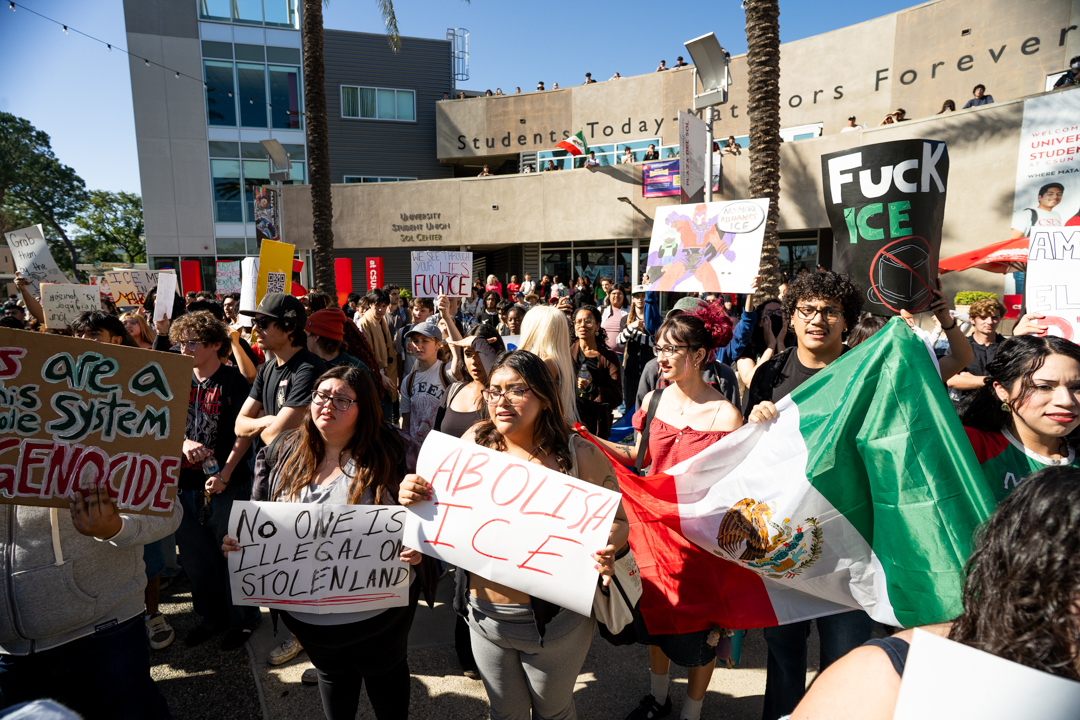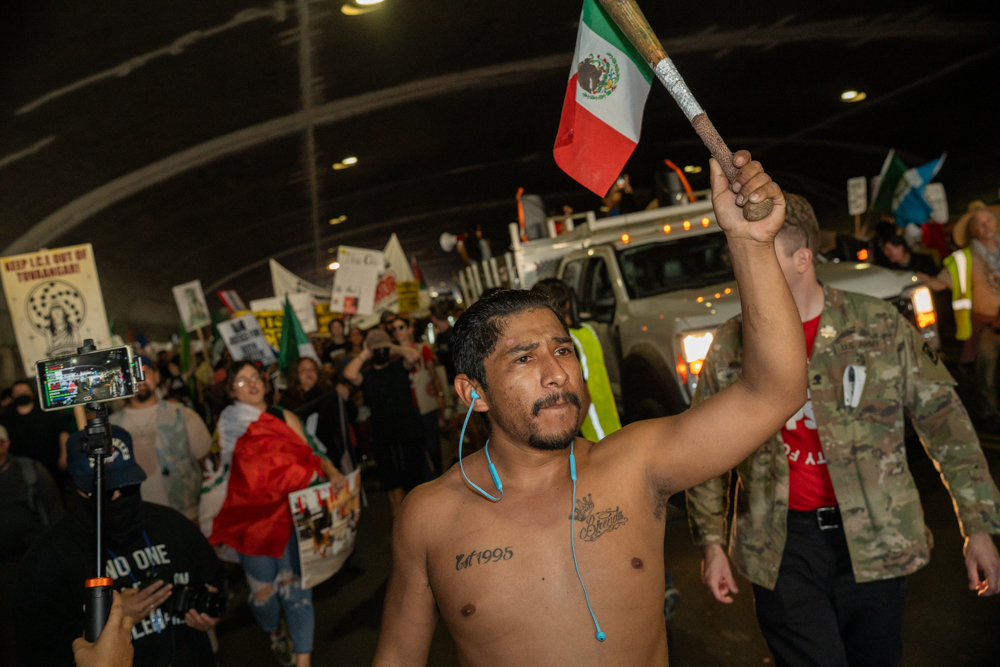
As protesters in the streets demand the defunding of the United States Immigration and Customs Enforcement (ICE) agency, immigrant students are in their classrooms pushing to receive an education so that they may right the wrongs of the broken system they grew up in.
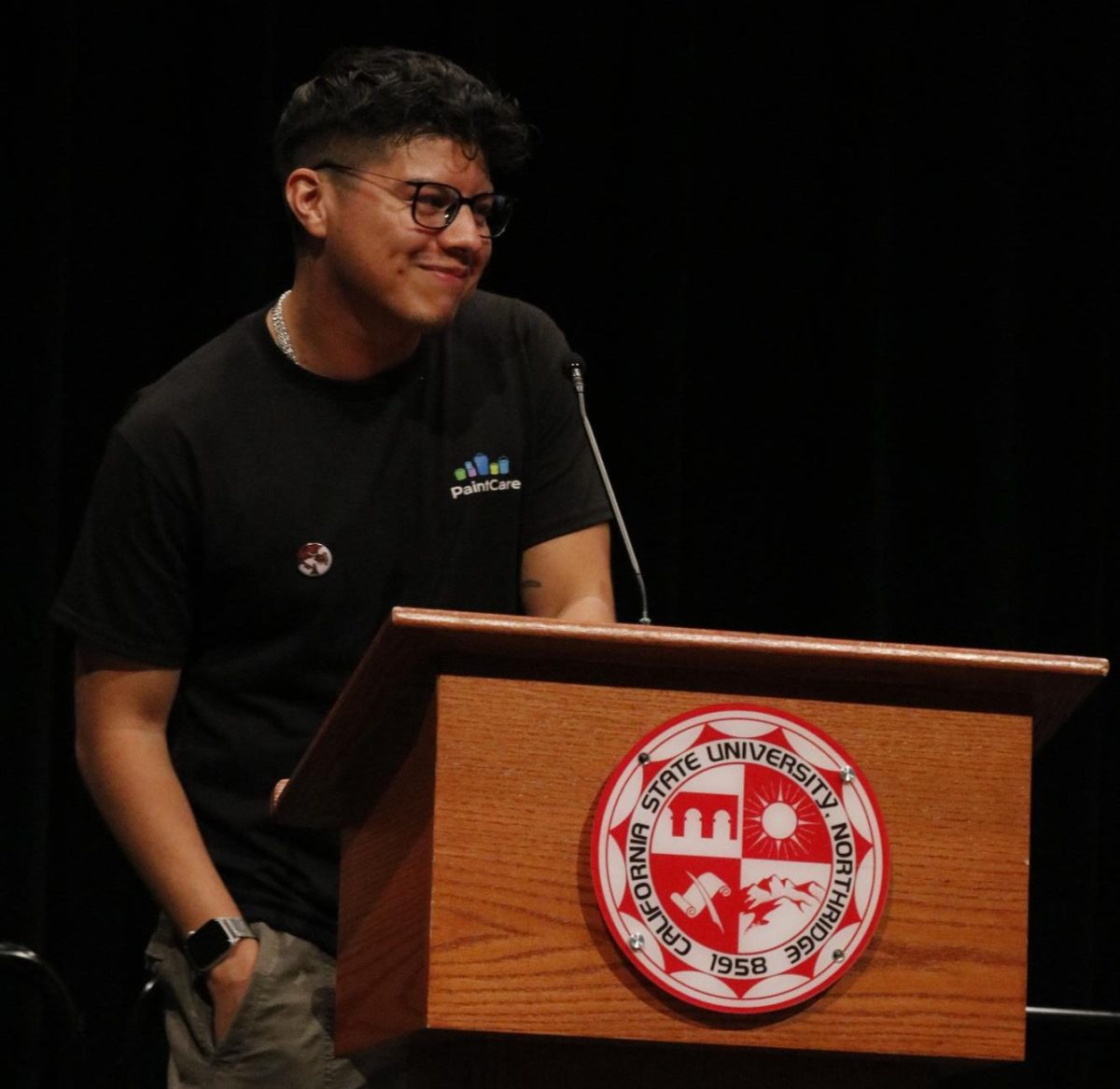
Associated Students (AS) Senator Eddie Umana, the health and human development representative, has released a statement affirming his intention to speak up for these students and to call to action those at CSUN in a position to help.
Umana, a senior graduating in May, is a recipient of Deferred Action for Childhood Arrivals (DACA), a U.S. immigration policy that provides immigrant students protection from deportation and allows them to work in the country. The senator asserted that though he has the privilege of DACA status, which he called a fragile protection under the Trump administration, not all students on campus do. Umana believes every student knows a Dreamer, a term for students with DACA status, though they may not be aware of it.
“If you think you don’t, it’s likely because that person has been too afraid to speak openly about their status – afraid of what we are seeing unfold in the news, on our phones and across social media,” Umana said.
For Umana, it was important to enter his final semester by recentering AS back into the realities of what was occurring off campus with ICE and the Trump administration. Though many fear the repercussions of coming forward with their stories, Umana wanted to make an impact by telling his own. According to the DREAM Center, more than 86,000 undocumented students attend universities across California. Of these students, more than 60% do not qualify for DACA, which has not accepted new applications since 2017, leaving many students vulnerable.
Students now face an ultimatum: risk their futures in America to achieve their academic goals or give up their dreams to protect their families.
Umana, who is from a mixed-status family, lives in a constant state of fear for himself, his loved ones and the community around him. In his statement, he detailed the challenges that come with earning a degree while grappling with fears for the future.
“I will be honest: this has taken a toll,” he said. “These actions are inflicting generational trauma that will not disappear anytime soon.”
Geno Uyuni, an immigration attorney for CARECEN, which provides free legal services to students on campus, described the complexities of obtaining legal status for students on campus and across the country. She carefully evaluates each client on a case-by-case basis and offers advice depending on the circumstances.
The attorney has found that students who hold green cards are in a rush to attain their citizenship in order to secure their status, despite the recent increased difficulty of the test. However, students who have not been granted a green card may want to wait three years for a new administration.
“They’re more vulnerable, right?” Uyuni said. “If their case is denied, they have nothing, and immigration knows they have nothing, so then they’ll use that against them.”
Additionally, Uyuni said there is no such thing as self-deporting, despite the administration’s encouragement of the practice.
The Department of Homeland Security promotes self-deportation, promising “cost-free travel” to the country where they hold citizenship. They claim immigrants will then have the opportunity to “organize their return in an orderly and lawful way.”
However, once an undocumented immigrant leaves U.S. soil, they are required to stay out of the country for 10 years before they can legally reapply for a visa – meaning a decade of separation from their families.
These are only a few of the types of injustices Umana is calling for students and leaders to fight against. He points to the targeting and profiling of his community at the hands of “politicized immigration enforcement” as particularly dangerous.
DACA status provides Umana with the ability to work in the U.S., which he is grateful for, having recently secured a position as a safety intern at a construction company. However, he is saddened by the image painted of immigrants in America as “villains.”
In reality, Umana has no access to welfare programs, such as food stamps, focusing instead on the pride that contributing to his community through his work brings him.
Umana is speaking out now to encourage student leaders at CSUN, along with others who read his words, to use their power by voting, protesting and speaking out when they see community members being targeted.
“I stand before you as a DACA recipient asking you to use whatever power and influence you have to stand against this violence,” Umana said.
President Donald Trump and United States Secretary of Homeland Security Kristi Noem have reiterated in public statements that ICE agents are only targeting criminals – the “worst of the worst.”
However, Umana shuts down this claim from the Republican leaders.
“Our only ‘crime’ was being brought to this country as children by parents who were desperate
to give their families a better life,” Umana said.
Having come to the U.S. at nine years old, Umana said American culture is all he has known. While he lives in a constant state of dread from threats towards the DACA program, what drives Umana, and he hopes other students as well, is the pursuit of his education.
“Don’t give up. Get your degree – no one can take that away,” Umana said.