
Branded Content by Cosmic Press
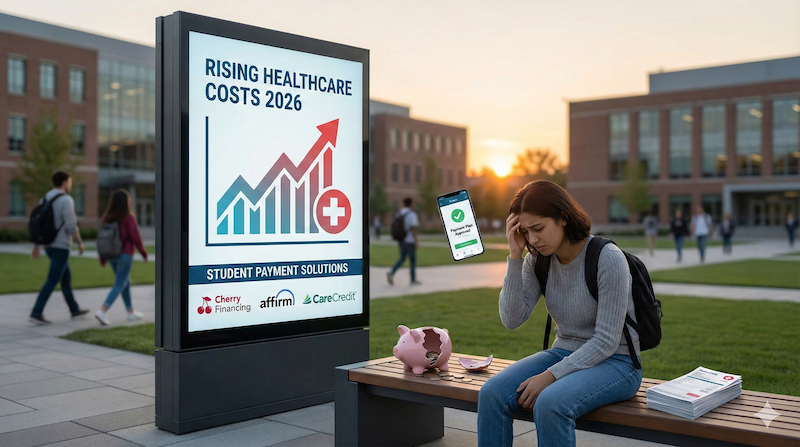
For many college students and young adults, healthcare costs are no longer an abstract concern but a reality that they cannot avoid. Unfortunately, in many cases they’re often financially overwhelming. From dental work and mental health services to emergency room visits and elective procedures, the cost of healthcare continues to rise across the United States. Even students with health insurance frequently face high deductibles, copays, and uncovered treatments that create unexpected financial stress.
At campuses like California State University, Northridge, where students juggle tuition, housing, and daily living expenses, the question is no longer just about accessing needed care. It is now about how to even afford it.
In recent years, new payment solutions, financing platforms, and flexible installment plans have begun reshaping how younger individuals can manage medical bills.Traditional medical credit cards have faced increasing scrutiny for their complexity and risk. However, students are exploring alternative ways to pay for healthcare without falling into long-term debt.
Why Healthcare Costs Hit Students Especially Hard
Students are uniquely vulnerable to healthcare-related financial strain. Many rely on part-time income, limited savings, or financial aid that is primarily allocated toward education and housing. A single unexpected medical bill can disrupt an entire semester’s budget.
Even routine care can become a financial decision. Dental procedures, therapy sessions, dermatology treatments, and specialist visits often come with out-of-pocket costs that insurance does not fully cover. High-deductible plans, which are increasingly common among young adults, shift more upfront costs onto patients before coverage even begins.
When faced with healthcare expenses, students typically have a few options:
- Pay out of pocket
- Delay treatment
- Use a traditional credit card
- Seek specialized healthcare financing
Unfortunately, delaying care isn’t a very good option because it often leads to worsened health outcomes and even higher costs later.
Medical Credit Cards
For years, medical credit cards have been marketed as a convenient way to cover healthcare expenses for students. These cards are typically issued specifically for medical, dental, or wellness services. They’re accepted by participating providers.
However, one thing to be aware of is that medical credit cards function differently from standard credit cards. They often include promotional financing periods tied to deferred interest. This means that if the balance is not paid off within the promotional window, interest can be applied retroactively. The added interest significantly increases the total cost of care.
Additionally, these cards may have stricter approval requirements. They also feature higher post-promotional interest rates, making them harder for students with limited credit history to manage responsibly.
For a generation already cautious about debt, this model can feel risky and confusing for most students.
Transparent Healthcare Financing
As healthcare billing becomes more complex, a new category of financing has emerged that many students are increasingly aware of: structured payment plans and buy-now-pay-later models tailored specifically for medical expenses. These solutions break large medical bills into smaller, predictable payments rather than revolving balances with unclear interest structures. For students managing tuition, rent, and daily expenses, predictability is critical.
Platforms such as Affirm, CareCredit, and Klarna are now appearing more frequently in healthcare settings, especially in dental offices, mental health clinics, dermatology practices, and specialty care providers. In some cases, providers may also integrate broader payment processors like PayPal’s installment features or Square-powered checkout plans, reflecting a wider shift toward flexible, digital-first healthcare payments. These installment-based systems align more closely with how younger consumers already manage everyday purchases.
One example is Cherry Financing, a healthcare-focused payment platform designed to help patients split medical and wellness costs into manageable installments over time. Unlike revolving medical credit cards, installment financing tools typically provide clearer repayment timelines and more transparent terms, which can reduce confusion about long-term costs for students with limited financial experience.
Modern Payment Plans Change Patient Behavior
The psychology of payment plays a major role in healthcare decision-making. When faced with a large upfront bill, many students will end up postponing treatment that’s often necessary. Delaying can lead to more serious health issues, missed classes, and increased long-term expenses for the student.
Flexible financing has the ability to change that.
Modern healthcare financing platforms typically allow patients to apply quickly, receive real-time approval decisions, and choose repayment plans that fit their financial situation. Some platforms use soft credit checks that don’t impact credit scores during the application process. The entire process makes it more accessible for young adults who are still building credit and just need a little assistance.
Accessibility is important for college students because many of them have very little credit and only limited borrowing history so they can use all the help they can get.
Comparing Financing Options Available to Students
You should take the time to evaluate how to pay for your medical expenses. If you’re a struggling student, you should compare your various financing options instead of defaulting or using traditional credit cards to cover things.
Traditional Credit Cards
Standard credit cards can be used for your medical expenses. However, they often come with high interest rates. This is especially true if your balances are carried too long. While some offer 0% introductory APR promotions, these periods are limited so they will expire. They can lead to costly interest if you don’t manage everything carefully.
Medical Credit Cards
Healthcare-specific credit cards are widely accepted to pay health-related expenses because they’re easy to use and do have perks. They can offer promotional financing, However, they could also include deferred interest structures and higher long-term APRs that complicate the repayment plan.
Installment Financing Platforms
Installment-based financing solutions provide you with structured payment schedules so you can avoid revolving balances and get ahead. These platforms are increasingly used for procedures that insurance does not fully cover. They include things like dental, dermatology, mental health, and elective treatments.
Companies such as CareCredit and LendingClub remain established and popular choices. While newer fintech-focused healthcare platforms are gaining traction due to simplified applications and transparent repayment terms.
Technology in Healthcare Payments
The digitalization of healthcare payments has made financing more accessible than ever for students. Many can now apply for financing directly from a provider’s website, patient portal, or even mobile checkout systems powered by platforms like Stripe, Square, or embedded fintech tools. Approval decisions are often automated and delivered in real time, allowing students to secure a payment plan in minutes rather than delaying treatment due to upfront costs.
The digitalization of healthcare payments has made financing more accessible than ever before for people of all ages. As a student, you can now apply for financing through their phones in under a minute. You can often easily apply directly from a provider’s website or patient portal.
Many platforms use automated underwriting systems to assess eligibility quickly, enabling near-instant approval decisions and faster access to care. Some providers also receive funding upfront while you repay over time. This lowers financial risk for healthcare practices and encourages broader acceptance of flexible payment options, which are all big benefits for you.
This shift benefits both patients and providers substantially. As a student, you gain access to necessary treatments, while clinics reduce unpaid balances and administrative burdens that they might otherwise carry.
Financial Literacy and Medical Debt Awareness
Another factor influencing the rise of healthcare financing is increased financial literacy among the younger generation. Today’s students have become savvy when it comes to finances. They are substantially more aware of debt structures, interest rates, and long-term financial consequences.
Instead of accepting confusing billing structures, many actively research repayment terms, approval requirements, and total cost of borrowing before committing to a financing option.
Universities have also begun emphasizing financial wellness programs. You can gain guidance on managing unexpected expenses like medical bills. Campus health centers often provide resources that focus on handling insurance, payment plans, and community healthcare options. These things help to reduce financial barriers to treatment.
Access to Care and Equity
Students from lower-income backgrounds are much more likely to end up delaying care due to worries about the cost and an inability to pay large sums upfront. Flexible financing and structured payment plans can help you overcome hardship by making treatment more accessible without requiring a full upfront payment.
Patient payment plans, whether offered in-house or through third-party platforms, allow students to pay for care in smaller installments rather than in a single large lump sum. This approach can help eliminate financial barriers and improve treatment acceptance rates substantially.
Risks to Consider
While modern healthcare financing offers advantages, it is not without risks that you’ll want to carefully weigh before making a decision. Students should always review:
- Interest rates after promotional periods
- Total repayment amount
- Late payment penalties
- Credit reporting policies
- Eligibility requirements
Even installment plans can become burdensome if overused or poorly understood. Financial transparency is essential when choosing any financing solution to cover your medical care.
Students are encouraged to consult campus financial advisors, review provider payment policies, and compare multiple financing options before making a decision on what to do.
Future of Healthcare Financing
Healthcare costs are unlikely to decrease in the near future. As a result, the way patients pay for care will continue to change to meet everyone’s needs. Experts anticipate continued growth in certain things such as embedded healthcare financing, digital payment platforms, and AI-driven approval systems that personalize payment plans based on individual financial profiles.ling.
Healthcare providers are also starting to change how they handle things. Many now offer multiple financing options at checkout to help cover the bill. This allows patients to compare options in real time rather than being limited to a single credit-based solution.
A More Informed Generation
Today’s college students are not patients who do not research their healthcare options. It’s imperative that you become informed consumers who are struggling to handle complex finances for healthcare.
Students now research treatment costs, compare financing tools, and weigh long-term financial implications before making healthcare decisions. This level of awareness is reshaping the healthcare payment landscape. It’s pushing providers to offer clearer, more patient-friendly financial solutions.
Branded content furnished by our promotional partners. The Daily Sundial editorial staff is not involved in its production. Content does not reflect the views or opinions of the editorial staff.