Branded Content by Cosmic Press
Technology has transformed almost every industry, and underground construction is no exception. While some industries can accommodate an inexperienced workforce while employees learn on the job, underground construction leaves far less room for that learning curve. W.A. Rasic Construction explains why, despite these innovations, experience remains the one tool that cannot be replaced.
Underground Construction Never Goes Exactly as Planned
No matter how detailed the engineering or how thorough the planning, underground construction always involves uncertainty.
It takes years of experience and learning for field leaders to know how to assess changing conditions, adjust construction methods, coordinate with engineers and utility owners, and keep work moving without compromising safety, quality, or the project’s schedule.
In underground construction, the ability to adapt is just as important as the initial plan.
Experience Improves Safety Before Problems Occur
Experienced crews develop the ability to spot subtle warning signs, identify potential hazards, and make adjustments long before work reaches a critical point.
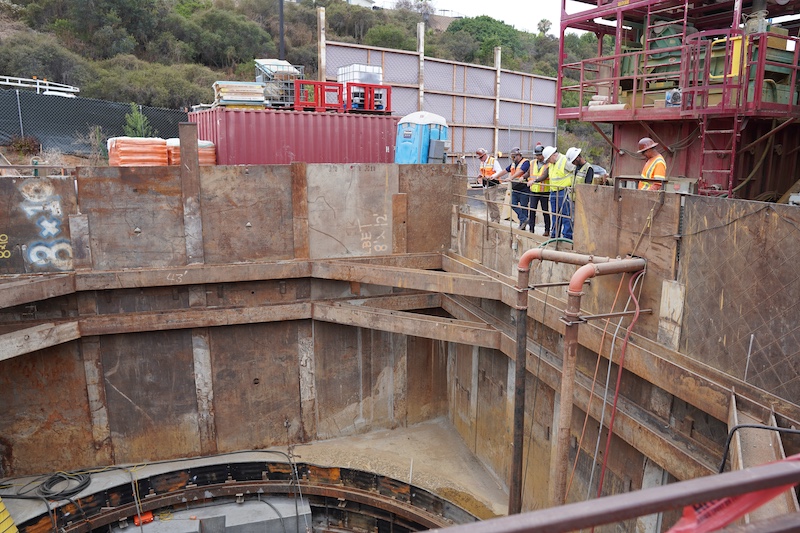
That experience influences every aspect of a project, from selecting the appropriate excavation and trench protection systems to positioning heavy equipment, coordinating crane lifts, and maintaining clear communication between crews working in confined spaces. Small decisions made throughout the day can have a significant impact on both worker safety and the protection of existing underground infrastructure.
Experienced leaders also understand that conditions can change rapidly. They continually assess the jobsite, anticipate how conditions may evolve, and make proactive decisions that keep crews safe and projects moving efficiently. In underground construction, the safest projects are built on preparation, awareness, and sound judgment gained through years in the field.
Judgment, Coordination, and Technical Skill Are Built in the Field
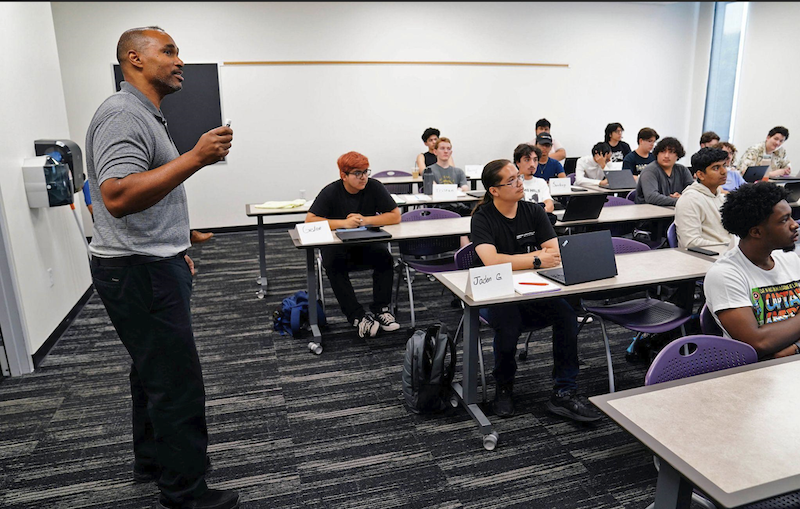
You can learn construction methods, study engineering drawings, and understand how every phase of a project should unfold. But applying that knowledge in the field is something entirely different. It comes from working alongside seasoned professionals, solving real-world challenges, and seeing firsthand how every decision affects the next stage of construction.
Why Technical Skill Is Refined Through Repetition, Not Instruction
Operating heavy equipment or installing a pipeline may appear straightforward from the outside, but every decision must account for changing soil conditions, nearby utilities, confined work areas, and equipment limitations, and underground construction leaves little room for error.
Take pipe installation. An experienced crew understands that even small deviations in excavation, grading, or alignment can affect the integrity of the pipeline, delay testing, or create problems later in the project. The same principle applies to welding, utility locating, crane lifts, and trenchless construction.
Technical standards provide the foundation, but experience teaches construction professionals how to achieve those standards when real-world conditions don’t match the drawings.
Experience Teaches How Different Teams Think and Speak
Every underground construction project brings together professionals with different areas of expertise.
While everyone is working toward the same goal, each discipline approaches the project from a different perspective.
Experience teaches construction leaders how to bridge those perspectives. They learn how to communicate technical information in a way that each team understands, ask the right questions before work begins, and recognize when a message hasn’t been fully understood.
Seeing Three Steps Ahead Comes From Years of Field Work
One of the biggest lessons you learn in underground construction is that nothing happens in isolation.
Every activity relies on another being completed correctly and at the right time. Excavation, pipe installation, inspections, testing, backfilling, traffic control, material deliveries, and specialized crews all have to work together like a chain, where every link matters.
Experienced superintendents develop the ability to look several steps ahead. They can identify where a delay is likely to occur, understand how it will affect the crews behind it, and make adjustments before productivity is lost. Through years of work and training, they learn how today’s decisions can shape the success of the entire project.
Experience Is Built One Project at a Time
“Every project teaches you something,” explained Len Kody, W.A. Rasic Construction’s Marketing and Communications Manager. “The lessons you learn solving one challenge become the knowledge you carry into the next project. That’s how better construction methods, stronger safety practices, and better decision-making are developed over time.”
Every completed project leaves behind more than new infrastructure. It leaves behind the experience that helps make the next project safer, smarter, and more successful.
About W.A.Rasic Construction
For more than 45 years, W.A. Rasic Construction Company has been a trusted leader in infrastructure development, known for its commitment to safety, quality, and reliable project delivery. W.A. Rasic specializes in underground utilities, water, wastewater, power, communication, gas and oil, and heavy civil construction, serving public and private sector clients across the Western United States.
Branded content furnished by our promotional partners. The Daily Sundial editorial staff is not involved in its production. Content does not reflect the views or opinions of the editorial staff.