Posted on 25 January 2009

Mint, is possibly one of the scariest yet helpful websites ever!
Why is it scary, you may ask? Well, because it puts everything into perspective all in one screen. This website inputs your bank account information, your loan’s, your credit card debt and anything else you might have accumulate. It informs you of your cash vs. credit card debt and sums it up in your net worth (plus it is completely safe to use).
- On top of that it gives you tips on how to save your money depending on your monthly flow of income, as well as allowing you to set up your own budget with their recommendations. For example, I only spent $47 in December on restaurants and from that it sets up an average of how much I can spend on restaurants vs. how much money I have and have been making.
- It also lists all your transactions, like you would see on your online banking account, with details of exactly how much money you have spent on at any certain store. For Example- Trader Joes: $40, Vons: $29, Coffee: $17.
- It also plan’s out a monthly savings plan as well as a plan on how to pay off your debt.
- This site is truly amazing! It updates you regularly by sending you overdraft alerts and Friday updates on how much money you have and owe.

This website I found to beneficial for us college students because we often spend with out checking our balance’s or we don’t plan ahead and we come up short when we really need the money. This website make’s sure you check your balance weekly, to avoid those horrid overdrafts, and also provides recommendations on how to save your money.
Posted on 10 December 2008
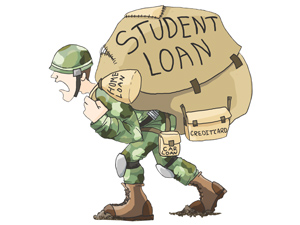
As a college student I know that the money I earn combined with the little money I get back from financial aid is barely enough to support my lifestyle, which by the way is not grand. After a few very bad experiences with over drafting, credit card payments, and loans, I feel that I have learned my lesson. Well… because I am still paying for it.
I agree that often times we are pushed into it because either we cannot afford tuition or because unexpected emergencies arise. But what about those other times when there is no need?
In a recent survey conducted by the Public Interest Research Group (PIRG) on 40 universities in 14 state’s tested 1,500 students about their use of credit cards. The survey found that nearly 2 out of 3 students had a credit card. Out of the remaining students paying for their credit cards half of them kept a remaining balance on their card, which we all know accumulates interest.
Of those students who have credit cards the top rating uses for their cards were (students were allowed to select more than one option):
- 55% for day to day uses
- 55% buy books
- 40% weekends and pizza
- 40% travel to school
- 39% emergencies
- 24% tuition
- 10% other: gas, food, to avoid overdrafts, no cash
The survey also found that of students who pay for their own credit card:
- Seniors have more than twice the amount of credit card debt than freshmen (the average being $1,322 more in debt)
- Students who have loans also have more credit card dept accumulated
- Students who have previously defaulted also carry higher amounts of debt than students who haven’t.
In response to this survey what worries me is if you cannot pay for the debt, who will? Shouldn’t we as responsible people limit our usage of credit cards when there is no need for it?
During the “Surviving the Economy” panel I attended about a month ago, one of the panelists Gregorio Alcantar, a CSUN financial aid and debt management counselor discussed one incident where one of the students he advised had at one time put his credit card in a cup of water and froze it in the freezer, so when he had an impulse to buy something he would have to go home and thaw the credit card out; which in return gave him time to rethink if he really needed what he was about to buy.
I suppose if it is necessary, but is that what we have come down to as a society?