The youth of the 1990s propelled a resurgence in the styles and cultural phenomena of the eras prior. From platform shoes and bell-bottom pants to the 1998 Fox hit TV show “That ’70s Show” – the 1990s were heavily influenced by the fashion, culture and even political upheaval of the 1970s.
Widely accepted theories claim that fashion and cultural trends work in 20 to 30-year cycles. The resurgence of baby tees, baggy jeans and chunky sneakers proves this theory correct as the 2020s regress back before the millennium. So, are the ‘20s the new ‘90s?
“Fashion moves in twenty year cycles, or so conventional wisdom has it, when tastemakers get nostalgic for their childhoods,” reporter Neda Ulaby said in an article from NPR.
Fashion is one of the most noticeable “throwback” indicators, often moving more quickly than political, technological and cultural resurgences. For many Generation Zers, or “Zoomers,” born between 1997 and 2012, the fashion trends of 2020 are clear.
Aside from matching our face masks to our outfits, the COVID-19 pandemic pushed forward athleisure and loungewear as massive fashion trends. Bike shorts and baggy sweatshirts paired with chunky “dad sneakers” were the unofficial uniform of the lockdown. And who inspired this look? Perhaps Princess Diana in the 1990s rings a bell?
However, fashion is not the only mark of a ‘90s resurgence, as music follows suit.
In January of this year, the surviving members of Nirvana, one of the most well-known and influential bands of the ‘90s, reunited in Los Angeles at FireAid. Dave Grohl, Krist Novoselic and Pat Smear performed four songs, closing out the performance with 1993’s “All Apologies,” which had been performed only one other time since Nirvana’s final concert on March 1, 1994.
Many of music’s biggest festivals have welcomed ‘90s sensations back to their stages. For three consecutive years, ‘90s legends rocked the desert at Coachella Music and Arts Festival. The year 2023 welcomed Blink-182, who reunited with their former guitarist Tom DeLonge in the year prior, 2024 hosted No Doubt for their first performance in 9 years and in 2025, Green Day also rocked the main stage as a headliner. Less than three months after this, Oasis made their musical comeback for the first time in 16 years.
One of the most influential developments of the ‘90s was technology. Between at-home internet, mobile phones, MP3 players and gaming consoles such as PlayStation, the technology of the ‘90s was undoubtedly one of the biggest changes in pop culture to date.
While the phones we have today combine computers, MP3 players, game consoles and digital cameras into one shiny box, younger generations are reverting to “single-purpose devices.”
A nostalgic longing for childhood and “simpler times,” along with many states regulating and banning phones in K-12 schools, has propelled the pocket technology of the ‘90s back into the spotlight. Digital cameras, Wi-Fi-compatible Sony Walkmans and turning smartphones into “dumbphones” are hallmarks of this technological regression.
Many people have turned to “dumbphones” as a protest against the constant flood of information that smartphones offer. A 2025 New York Times guest essay viewed this as a way to detox from smartphone addictions digitally.
Studies have shown that more and more people are using their smartphones politically. A 2010 Pew Research Poll showed that more than a quarter of cell phone users had used their phones to research and even participate in the 2010 midterm election. Now, 15 years later, that number is likely much higher.
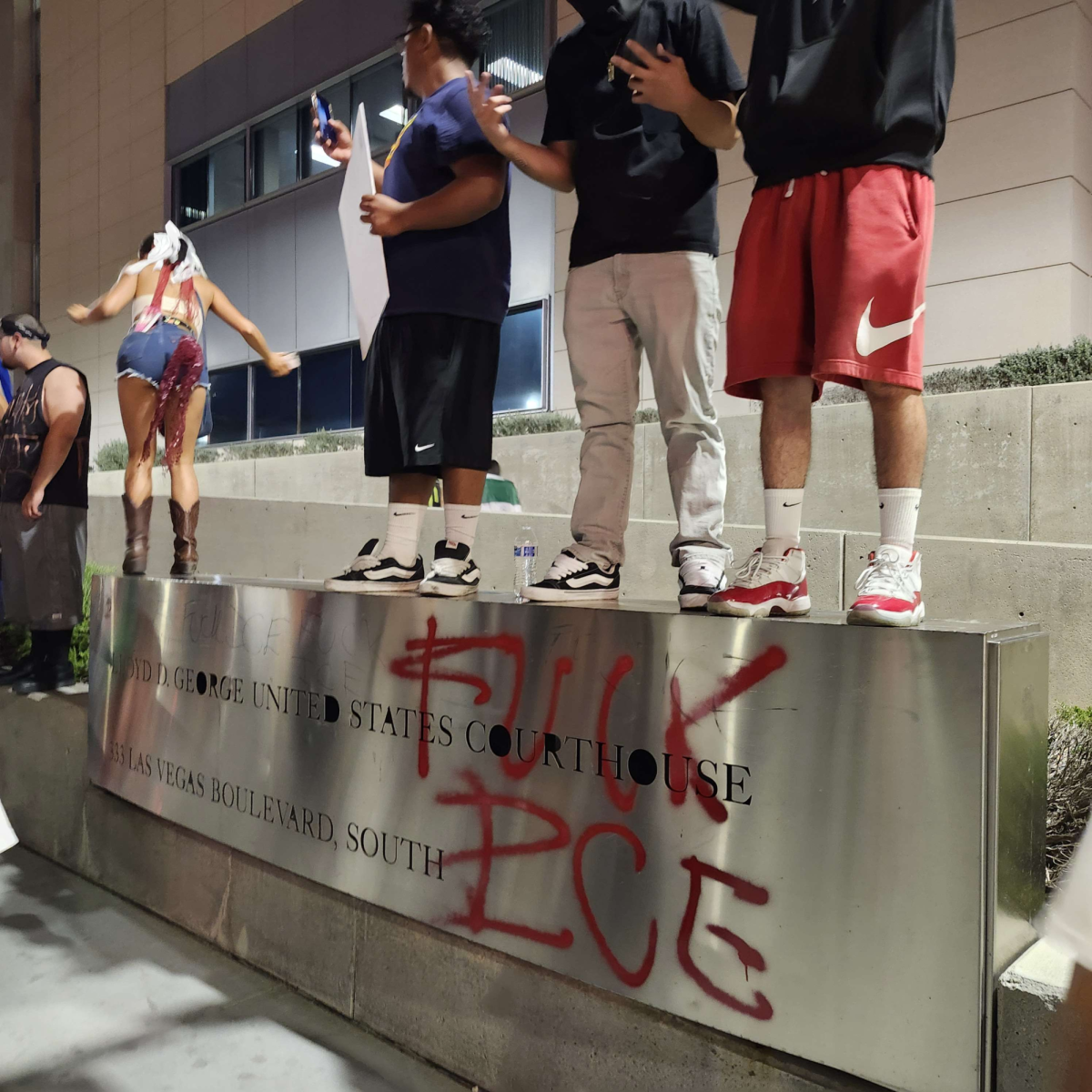
In June, protestors flooded the streets of Los Angeles to denounce the Trump administration’s push for mass deportation through ICE raids all across the state of California. Five years prior, the same streets were filled with demonstrations denouncing police brutality in the wake of George Floyd’s death in Minneapolis.
Political demonstrations are no stranger to Los Angeles, and neither are protests specifically targeting the rights of undocumented immigrants and police brutality.
The Los Angeles Riots of 1992 are a massive part of Los Angeles history, sparked by the acquittal of four police officers in connection with the assault of Rodney King. These protests denounced police brutality and anti-Black racism, much like their 2020 counterparts. In 1994, tens of thousands of protestors gathered to decry Proposition 187, which aimed to deny undocumented immigrants use of public services in California.
Every day, the fashion, culture and even political movements we participate in echo the history of those who came before us. Whether based on nostalgia, wounds that never closed or simply the 20 to 30-year cycle we have observed in trends since the 1950s, it’s clear that the ‘90s are hella back.