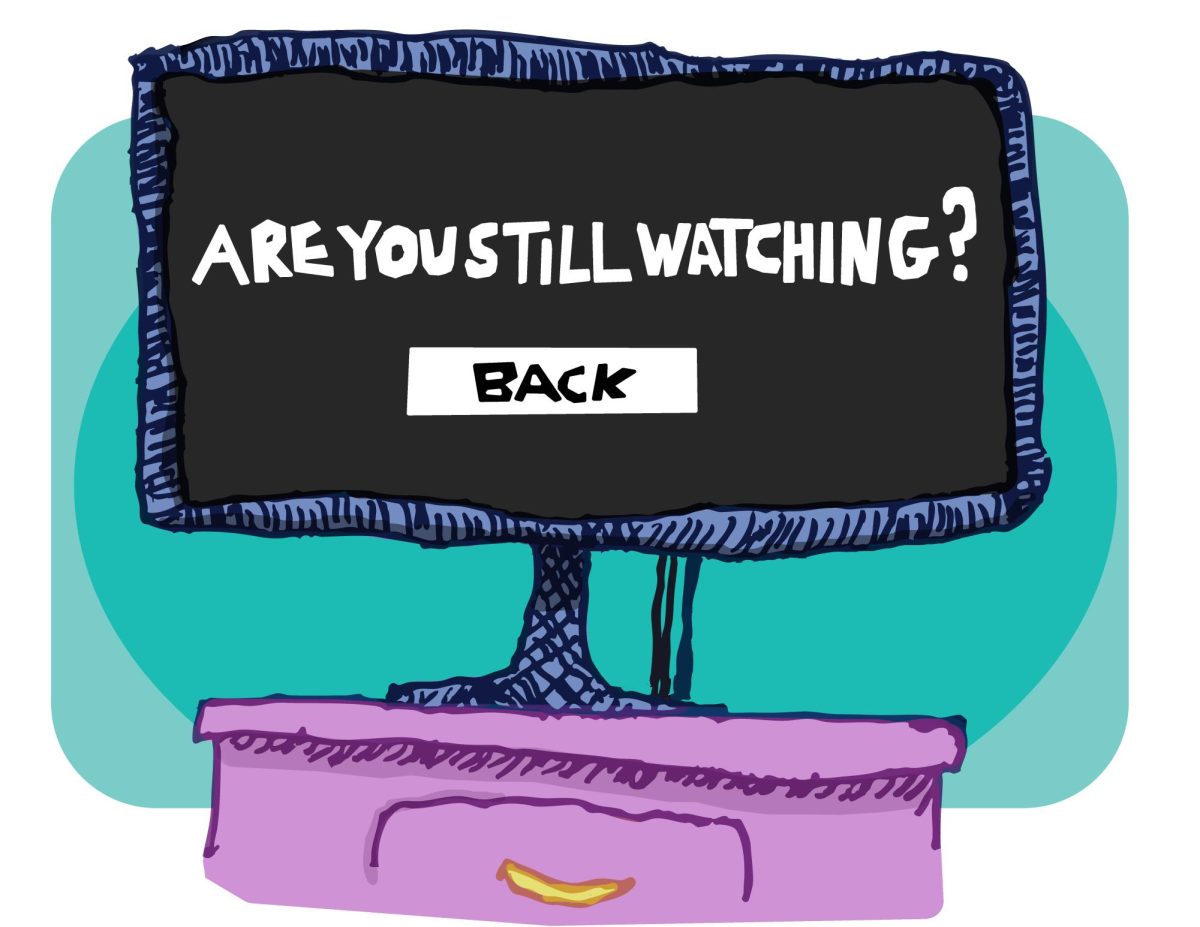
I would say 2015 to 2020 was the golden age of streaming. Although Netflix’s streaming service began in 2007, the novelty was still there. The COVID-19 pandemic also led to a rise in streaming between the years of 2020 and 2022, yet in the third quarter of 2022 Subscription Video On Demand (SVOD), services took a dip.
What once was marketed as a convenient library of interesting media has now become overwhelming and overpriced. Netflix is a great example of this as its prices have gone from $9.99 in 2013 to $17.99 in 2025 for the standard plan without ads. That is approximately an 80% increase on just one service.
According to a survey by Variety, the average American spends $69 a month on streaming services. 60% of responders said they would cancel their subscription if the prices were raised by $5.
This seems like a good price to pay for endless entertainment possibilities, but it ends in either not having enough options because you can’t afford all of the platforms, or choice paralysis in which streaming service gives you the most bang for your buck.
It seems fundamentally unfair to essentially coerce consumers into buying multiple subscriptions so they can watch the newest hit series. It feels like every popular show comes from a different platform than the last, and that’s simply not sustainable for most households.
While subscription services are a luxury, they were always marketed as the better option compared to cable. Yet, consumers are now paying more for multiple services and still having to bear with ads. Let’s be honest – if we wanted ads, we would stick to cable.
Not to mention how many times one of the most popular services, Netflix, has cancelled their most popular shows. Implementing paid subscriptions with ads, adding on premium tiers and cancelling fan favorites does not incentivize consumers to stay subscribed.
The boom in popularity of streaming services made every studio think they needed their own paid subscription service. There’s Hulu, Disney+, ESPN+, Peacock, Paramount+, Amazon Prime Video, Apple TV, HBO Max and more. There’s such an influx in streaming services today that their novelty and excitement has worn off.
Convenience isn’t sifting through every platform, trying to find the show I want to watch – it’s paying for one, maybe two, services that will actually benefit me.
Yes, it may sound nice to create a platform-exclusive series, but when everyone’s doing it, it just becomes a hassle that people don’t want to deal with. Streaming services need to revert back to their original purpose and make consumers feel the difference between cable and streaming. Don’t just be cable with extra steps.