

Branded Content by Cosmic Press
In the United States, around half a million people work with horses in some capacity. While, yes, it isn’t always feasible to own a horse, especially for young adults, there’s still a way to stay connected to this lifestyle. That’s through horse industry jobs.
For those looking for a career that lasts though, passion alone won’t be enough. One has to know the demands of the equine industry. It’s also important to figure out which paths are open to you and ask the right questions.
If you’re a student eyeing a job in the horse industry, read on to learn about what you should know before entering the workforce.
Two Kinds of Horse Industry Jobs
The first thing students must understand is the fact that there are two horse industry job camps. The first are the direct jobs. Those are the ones that require you to be in daily contact with horses. On the other hand are the supporting roles. These are the jobs that don’t require hands-on work every day but still support the equine industry.
Both kinds of equine industry careers are legitimate and rewarding. Neither is easier than the other. However, depending on geography, compensation and opportunity may vary.
Career Opportunities Worth Knowing About
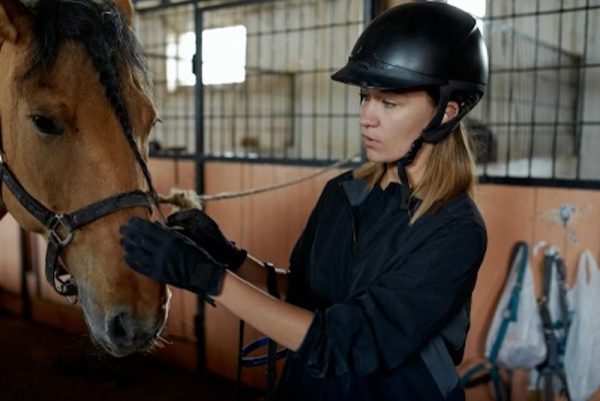
Many students don’t realize that the equine industry actually spans more ground than they think. One can go into veterinary medicine. Others can pursue nutrition science. It’s also possible to get into barn operations and even media.
Roles That Require Formal Education
Did you know that there’s a national shortage of equine veterinarians? That’s why it’s one of the industry’s most in-demand career paths today. However, while there’s a strong job demand for it, it requires a Doctor of Veterinary Medicine degree. That means you also have to complete prerequisite undergraduate course work. A state licensing exam is also necessary.
Prepare for an average of USD$200,000 if you plan to enroll in a veterinary school. There’s a strong alternative for those who don’t want to take the full DVM route though. That’s when you choose to become a veterinary technician instead. Despite only being a two-year associate’s degree, it will still qualify you for hands-on clinical work. If you’re looking for more advanced roles down the line, a four-year technologist degree is also worth looking into.
Another role that requires formal education is being an equine nutritionist. What this position entails is designing personalized feeding programs for individual horses. Along with hands-on industry experience, holding an animal nutrition PhD or at least a master’s degree makes one highly qualified for this job. If you’re more into oral health like treating dental disease and you have at least 240 hours of accredited education, an equine dental technician position could be a better suit for you.
Roles Built on Experience and Certification
Of course, there are also horse industry jobs that don’t run through a four-year university. A good example is being a horse trainer, which is a career that’s built on reputation and result. A show groom or horse groom is another role that needs no formal qualifications.
For other positions, a certification from trusted organizations may be enough. A good example is being a farrier, which is a role that demands hoof care expertise and small business skills. The same is true for an equine barn manager or farm manager who oversees daily operations.
Note that these are only some of the many career opportunities in the equine industry. It’s worth researching these positions early for students who are thinking of looking at these job listings and entering the workforce in the future.
What Employers Look for in Job Seekers
So, what do equine employers actually look for when evaluating students?
First, they look at your credentials. They check your equine degree and certificates. They might also look at your memberships in relevant organizations.
Experience and technical skills also matter to employers. So, be ready with your internships, apprenticeships and even past volunteer work.
Communication skills are also important for employers so you must show that you can express yourself clearly, both in writing and in person.
In addition, work ethic and coachability are also significant qualities in the eyes of employers. No matter what path you pursue, make sure you have most of the ones mentioned here checked off your box.
Questions to Ask Before Accepting Any Equine Job
How do you find the right horse industry role? It’s a part of the job hunting process that takes a different kind of preparation.
The most important thing here is asking the right questions. Clarify about the quoted salary (is it before or after tax) and whether or not you’ll receive a W-2. Ask about your full responsibilities too since they vary widely between operations. Other things worth knowing include the chain of command, cost of living in the area of operation, horse-to-staff ratio, as well as whether or not you’ll be offered a housing package.
Go In Prepared to Stay Longer
For those looking for a place to build a career on, the equine industry will always be a good option. It’s worth noting though that people who stay here longer are the ones who are prepared. So, be ready with your credentials and experience then ask the right questions before finally getting that dream job.
Branded content furnished by our promotional partners. The Daily Sundial editorial staff is not involved in its production. Content does not reflect the views or opinions of the editorial staff.