Proposition 40 has emerged as a priority for some CSUN students across the political spectrum in California’s Nov. 3 midterm elections.
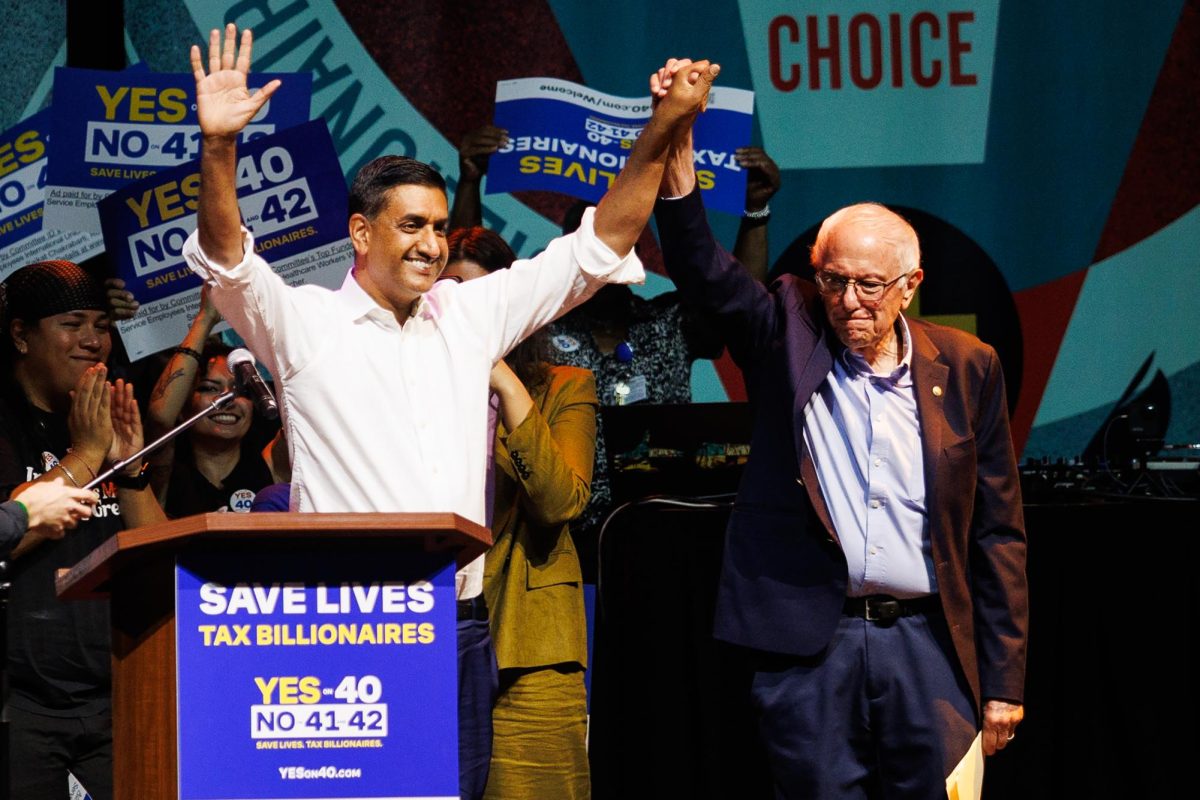
If passed, the measure would implement a one-time 5% tax on Californians whose assets total more than $1 billion. The funds raised would primarily go to statewide healthcare intended to offset federal budget cuts made by the Trump administration. Additionally, 10% of the revenue would go towards education and food assistance programs. The proposition has drawn differing views on the effectiveness of billionaire taxes and their effect on the economy.
Proponents of the measure, including Sen. Bernie Sanders and United Healthcare Workers West (SEIU), say approving Prop 40 would help replace the federal healthcare funding slashed by the Trump administration’s 2025 funding bill, providing life-saving care and keeping millions of Californians on medical insurance without increased premiums.
For some, Prop 40, as well as 41 and 42, are pivotal issues on this midterm ballot, including for Aiden Wright, co-lead of CSUN’s Young Democratic Socialist of America (YDSA) Chapter.
“Making sure that Proposition 40 passes and Propositions 41 and 42 both do not pass is very important to me,” Wright said. “Of the votes I was able to cast, it felt like the top 3 most consequential, with the mayor’s race also coming in.”
Opponents of Propositions 41 and 42 say the two measures oppose the one-time wealth tax. Proposition 42, if approved, would prohibit new and some retroactive state personal property taxes, effectively blocking Prop 40.
Additionally, Wright says a victory for Prop 40, along with a Raman mayoral victory, would indicate a political shift in which platforms are electable.
“I would say both of those really, largely move toward being additional proof to indicate ahead of the 2028 presidential primary season that there has been a cultural shift in what can get elected,” Wright said.
Opponents of Prop 40, like the California Primary Care Association and the California Taxpayers Association, say that the tax would do nothing to impact healthcare costs and instead expose California taxpayers to potential future additional income taxes, citing that the measure allows the tax to be extended in the future. The opposition, including Michael Cadillac, a member of CSUN’s Turning Point USA (TPUSA) chapter, says it could hurt the state economy.
“To impose a one-time 5% tax on them would not only cripple them, but it would potentially disincentivize them from ever wanting to contribute to more charities and more to the state in any other capacity,” Cadillac said.
Like Cadillac’s YDSA counterpart, they also rank the proposition as a high priority on the ballot.
Meanwhile, this year’s lead-up to the midterms has seen some of the highest spending in California state election history, with reportedly up to $612 million coming from 70 billionaire donors. Nearly half of the donations went to groups opposed to Prop 40.
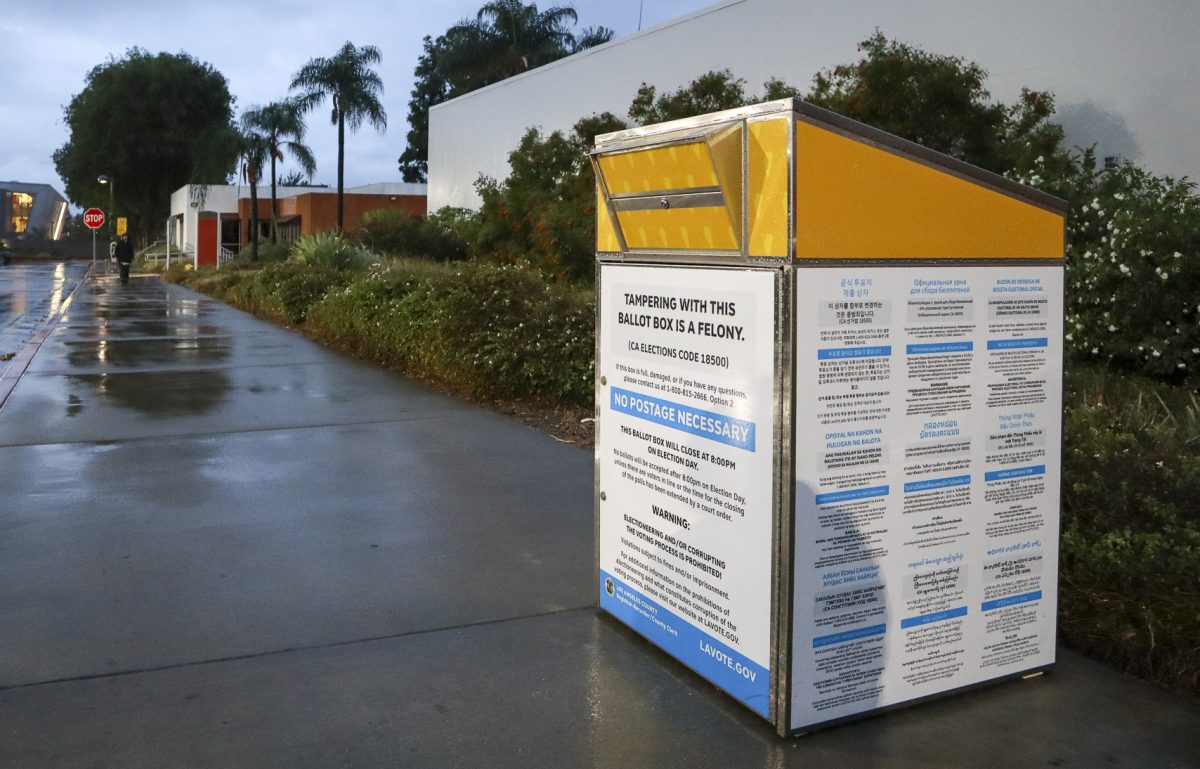
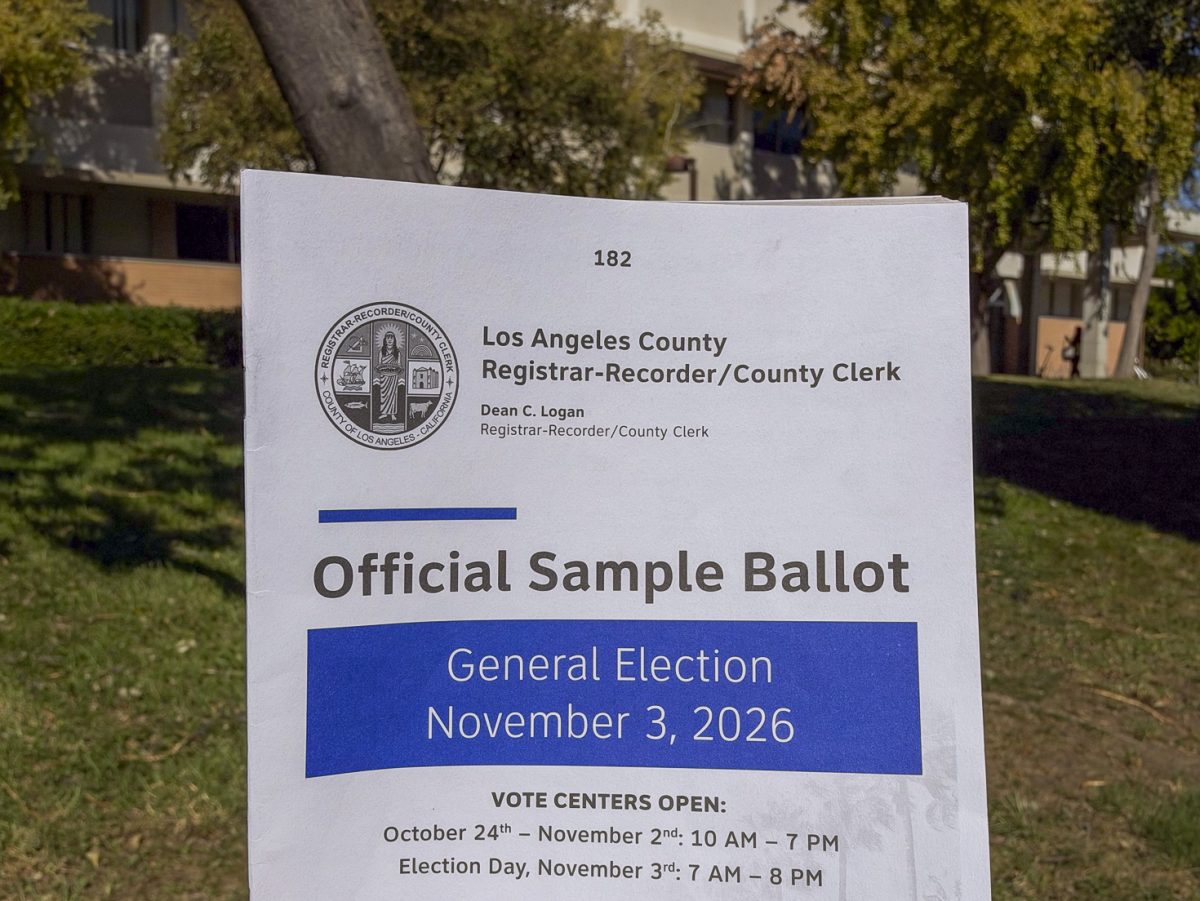
California residents and CSUN students, as of Oct. 24, can cast early ballots and voice their support or opposition to the divisive proposition. Residents will be able to drop off their ballots until the election ends on Nov. 3 at 8 p.m