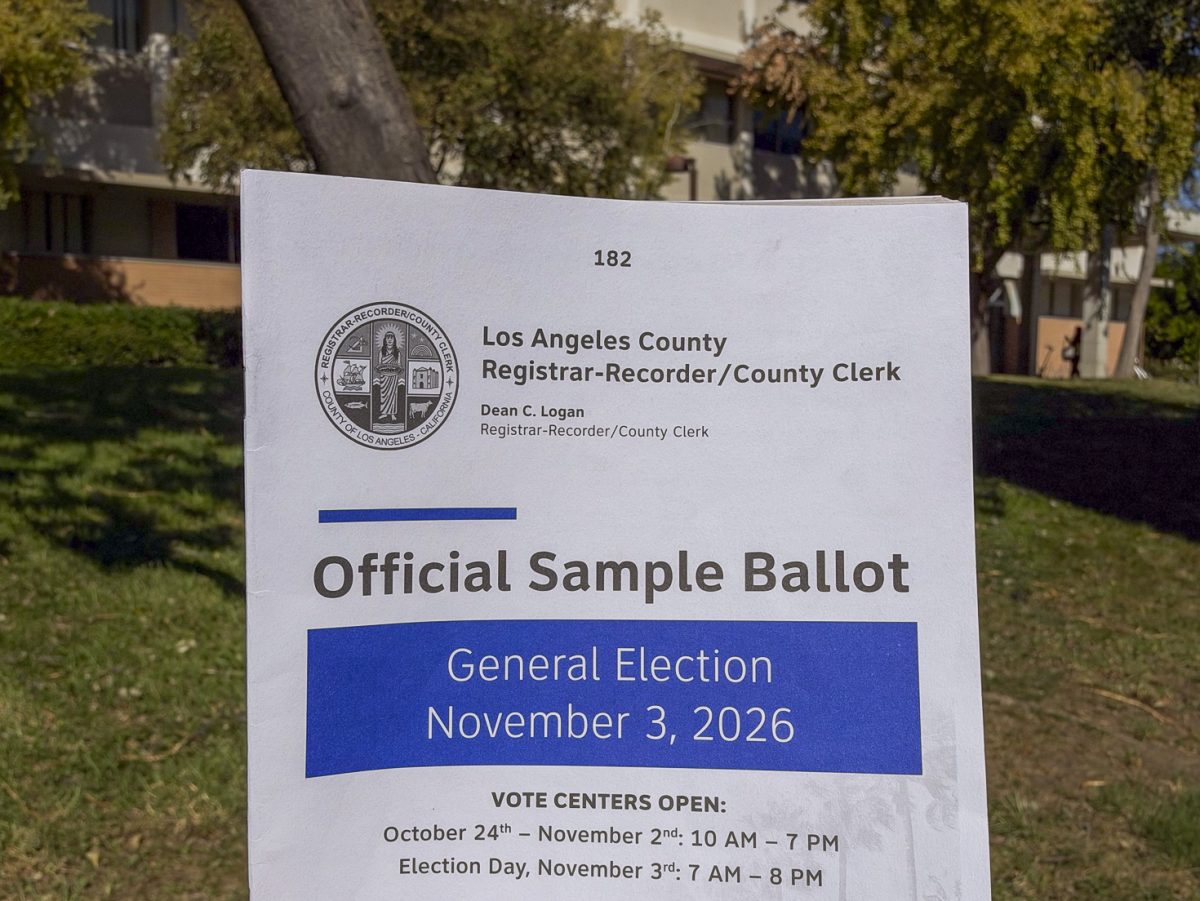
In the 2026 General Election, California voters will be voting on 14 propositions. Before filling in your votes on the ballot, here’s a breakdown of each proposition to review and better your understanding prior to Election Day.
Prop. 1: Housing Bond
Prop. 1 would allow California to borrow $11.25 billion for affordable housing, such as veteran, rental, farmworker, student housing and more. This bond is expected to help fund up to 80,000 households with either buying a home or renting multifamily units. This could directly benefit students by providing affordable student housing and indirectly help students who struggle with high rent.
Yes: If you vote yes, this means you approve the $11.25 billion housing bond.
No: If you do not, this means you reject the bond and the housing funding.
Who supports and opposes: Supporters of this proposition, including Gov. Gavin Newsom, Democrats and housing groups, say that California needs affordable housing. Opponents of this proposition, including Republican lawmakers, say that California should focus on high construction costs rather than taking on more debt.
Prop. 2: Rainy day fund
Prop. 2 would let California put up to 20% of general fund tax revenue into its rainy-day reserves, which is higher than the current 10% limit. A larger reserve could prevent large cuts to education or other programs that students need if there should be a recession.
Yes: By voting yes, this would allow the state to save more money during strong economic years.
No: By voting no, the state will keep its current limit.
Who supports and opposes: Supporters of this proposition say that larger reserves would better protect funding for health care, education and other services during recessions. Opponents say that lawmakers can hold onto money that can be sent back to taxpayers or spent on needs.
Prop. 3: High-income tax
Prop. 3 would make California’s existing higher income-tax rates permanent instead of allowing them to expire in 2031. 89% of the revenue from these tax rates goes to K-12 schools and 11% goes to community colleges. This could affect funding for colleges and education programs.
Yes: Voting yes means you want to permanently keep the higher tax rates.
No: Voting no means you want the higher tax rates to expire in 2031.
Who supports and opposes: Supporters of the proposition, including teachers’ unions and Democrats, say this money is important for education. Opponents, such as taxpayer groups, say that California already has high taxes and this could make wealthy residents leave the state.
Prop. 4: Public fundraising
Prop. 4 would allow California and local governments to make public financing programs for political campaigns.
Yes: If you vote yes, you want to allow the governments to create public campaign-financing programs.
No: If you vote no, you want to keep the current ban on public campaign funds.
Who supports and opposes: Supporters of the proposition say that public financing could reduce influence from wealthy donors and help candidates with smaller financial backing. Opponents say that taxpayers should not have to fund political campaigns they don’t agree with.
Prop. 5: Recall reform
Prop. 5 would change the recall process in California so if a statewide official is recalled, their replacement would be chosen in a separate election rather than in the recall election.
Yes: By voting yes, you support creating a separate election to find the replacement.
No: By voting no, you want to keep the current system where voters decide the recall and replacement in one election.
Who supports and opposes: Supporters of the proposition want voters to focus first on whether the statewide official should be recalled. Opponents say this would weaken the voter’s power and protect incumbents.
Prop. 37: Homebuyers loan
Prop. 37 would create a program where eligible Californians can receive loans covering up to 17% of a newly built home’s price to help with down payments. This can benefit students entering the workforce after graduation who want to buy their own home someday.
Yes: Voting yes means you are in support of creating the homebuyer program.
No: Voting no means you oppose creating the homebuyer program.
Who supports and opposes: Supporters of the proposition say that this program could make homeownership more accessible to middle-income Californians. Opponents say that the state shouldn’t involve itself with mortgage lending and that this program doesn’t fix the underlying housing shortage.
Prop. 38: Research bond
Prop. 38 would allow $8.4 billion in bonds for immunology research, such as research into heart disease, cancer and Alzheimer’s. Half of these bonds would be given to one UC-affiliated research institution.
Yes: If you vote yes, you will authorize the research bond.
No: If you vote no, you reject the research bond.
Who supports and opposes: Supporters of the proposition say that immunology research can lead to important breakthroughs in medicine. Opponents say that the focus on one area of research and the large amount directed to one UC-affiliated research institution can raise concerns.
Prop. 39: Voter ID
Prop. 39 would require government-issued identification for in-person voting and for people voting by mail to provide the last 4 digits of an ID number. Students who move around frequently, use a college address versus their home address or are voting for the first time should be aware if Prop. 39 passes.
Yes: By voting yes, you are in support of the new ID requirements when voting.
No: By voting no, you are against the new ID requirements and want to keep the current voting system.
Who supports and opposes: Supporters of the proposition say Voter ID would increase election security and public confidence. Opponents say voter fraud is rare and these new requirements could create barriers for eligible voters.
Prop. 40: Billionaire tax
Prop. 40 would impose a one-time 5% tax on California’s billionaires, with those funds going towards health care, food assistance and education. Students could indirectly benefit from additional education, food and health care funding. In order for Prop. 40 to go into effect, it will need to receive more votes than both Props. 41 and 42.
Yes: Voting yes means that you are in support of the one-time tax.
No: Voting no means you reject the one-time tax.
Who supports and opposes: Supporters of the proposition say billionaires should help fund health care and other public services. Opponents say that the tax would make wealthy people leave California and reduce future tax revenue.
Prop. 41: Tax audits
Prop. 41 would require audits of programs funded by new special taxes and restrict certain taxes from avoiding the state’s spending limit. Opponents of Prop. 40 placed this proposition on the ballot, therefore, if both Props. 40 and 41 pass, Prop. 40 will be nullified if it gets less votes than Prop. 41.
Yes: If you vote yes, you support requiring audits and changes to how certain new taxes are treated.
No: If you vote no, you reject these changes and want to keep the current system.
Who supports and opposes: Supporters of the proposition say that audits would increase accountability and make sure that tax money is being used in an effective way. Opponents say that Prop. 41 is only made to undermine Prop. 40 and will prevent funding for health care.
Prop. 42: Property taxes
Prop. 42 would prohibit new state taxes on personal property, such as some financial assets and possessions and some retroactive taxes. This effect may be small on students, but can affect future state revenue for education and health programs. Like Prop. 41, Prop. 42 could block Prop. 40 from going into effect if it receives more votes than Prop. 40.
Yes: By voting yes, you want to restrict the state’s ability to create these taxes.
No: By voting no, you want to leave the state with the option to create these taxes.
Who supports and opposes: Supporters of the proposition say that people shouldn’t be taxed for owning assets such as retirement accounts or investments. Opponents say these measures are only designed to stop Prop. 40’s billionaire tax.
Prop. 43: Tax threshold
Prop. 43 would increase the number of votes needed for citizen-initiated local special taxes from a majority vote to two-thirds. Students could be affected by this indirectly through local funding for public services, transportation and community programs and taxes in the cities students live in.
Yes: Voting yes means you want to require a two-thirds vote for these local tax measures.
No: Voting no means you want to keep the current majority requirement.
Who supports and opposes: Supporters of the propositions say that higher thresholds can protect taxpayers from unnecessary taxes. Opponents say that this could make it harder for communities to raise money for local services they believe are needed.
Prop. 44: Clinic funding
Prop. 44 would require community health clinics serving low-income patients to spend 90% of their revenue on patient care/program services. This could affect students who depend on community clinics for affordable health care services.
Yes: If you vote yes, you are in support of clinics meeting the 90% spending requirement.
No: If you vote no, you are against the spending requirement.
Who supports and opposes: Supporters of the proposition day that clinics should prioritize patients over administrative costs and executive compensation. Opponents say that the requirement could lead to clinics closing, a reduction in services and penalties.
Prop. 45: Environmental review
Prop. 45 would speed up the environmental reviews and related lawsuits for projects such as housing, infrastructure, roads and water systems.
Yes: By voting yes, you are in support of deadlines and streamlining parts of the environmental review process.
No: By voting no, you want to keep the current California Environmental Quality Act (CEQA) process.
Who supports and opposes: Supporters of the proposition, such as building groups and businesses, say that environmental reviews can cause years of delays and make housing more expensive. Opponents, such as environmental groups and unions, say it could weaken environmental protections. This would increase housing for students but has risks with it.
Election Day is on Nov. 3, with early voting starting on Oct. 24. For more information, visit our voter guide below.