Colita de Rana: It’s a club name guaranteed to make Hispanic students stop in their tracks, bringing back old childhood memories. The name comes from a well-known Spanish children’s rhyme, “sana sana colita de rana, si no sana hoy, sanara mañana.” The second half of the rhyme directly translates to “if it won’t heal today, it will heal tomorrow.”
For Vice President Shaelynn Cruz, a junior majoring in Chicano studies, the saying is close to her heart after hearing it frequently while growing up.
The club’s mission is to help heal anxiety and generational trauma prevalent in Hispanic students as they face a new stage in life through college. Cruz’s goal is to create a safe space for first-generation Latino students and to create a community that helps students feel close to home.
“The issue might not be fixed, but maybe a little later on, while going to these clubs and meeting new people, you can get that sense of creating community and helping yourself get better with your health and anxiety,” Cruz said.
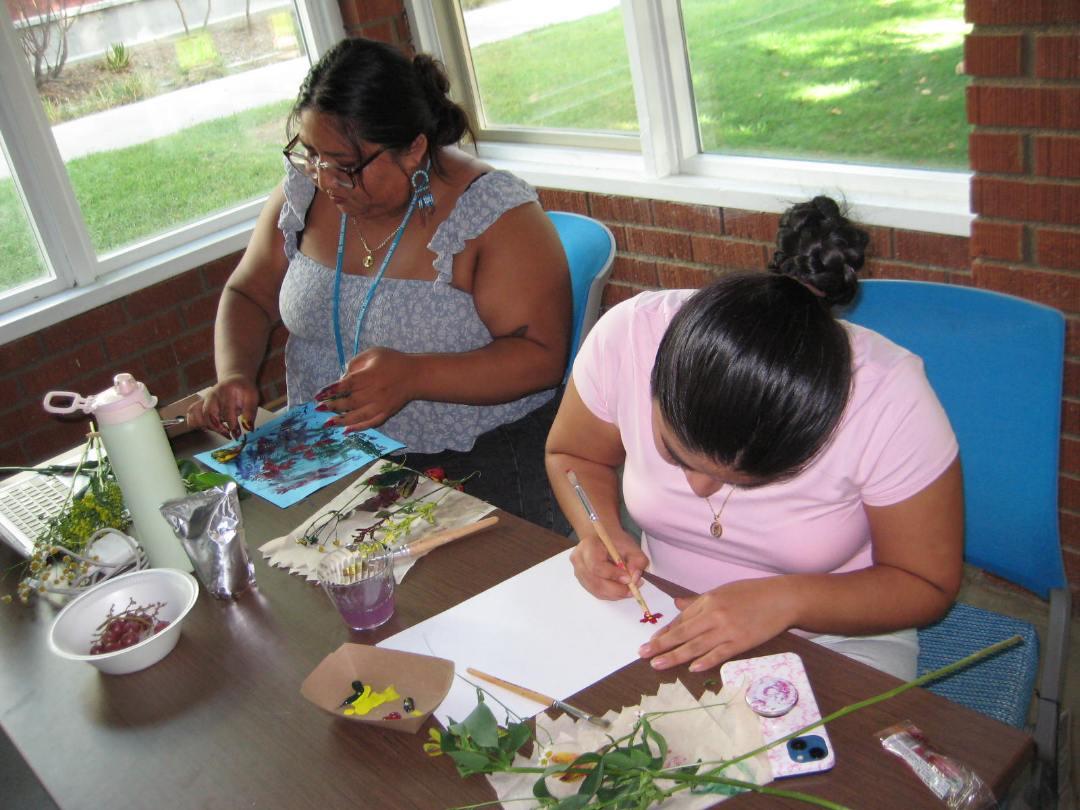
The club’s main events focus on nature and how to manage stress, usually taking place in grassy areas on campus. Regular activities include journaling and circle time, in which members are encouraged to talk about anything that might be affecting their mental health.
“Colita de Rana is basically a circle that creates a welcoming environment to all students from any background, whether it be Latino or different varieties of communities here at CSUN, we welcome anyone,” Cruz said. “To me, it’s a safe space to be myself and to, like, express myself.”
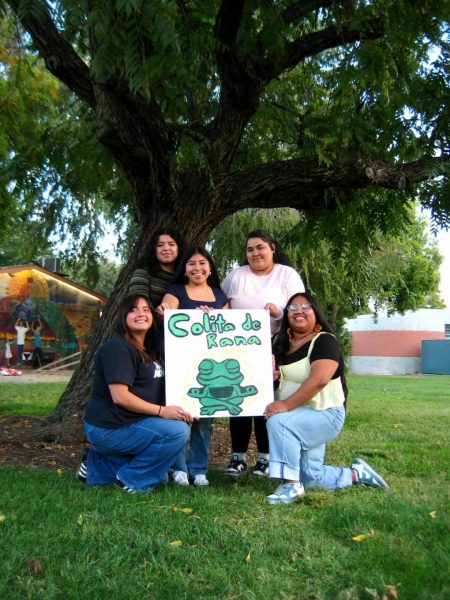
Ebony Escobar, the head of public relations for Colita de Rana, believes the club fosters community by combining wellness activities with community building. It’s a safe space for students of Hispanic descent to reconnect with their roots while navigating the challenges of college life.
Many new club members are freshmen, so Escobar prioritizes providing them with information about different clubs on campus from all cultural backgrounds, for each student to find their perfect fit.
According to Escobar, they don’t “shy away” from certain topics, preferring their members to stay informed. Among these topics are ICE sightings on campus, or rather misinformation about these sightings, making fear worse among Latino students.
On Oct. 7, before a walkout on campus organized by the Students for Justice in Palestine (SJP), false reports of ICE officers on campus were dispersed. Escobar and the rest of the Colita de Rana board took notice and reached out to different sources, eventually figuring out the reports were false. Now, they try to reach out to other organizations on campus to make sure all information is correct before it reaches too many students.
On the days leading up to the Oct. 7 walkout, Escobar used the club’s social media pages to promote the walkout and SJP. She held a special community forum the day after the event for any students interested in voicing their opinions or letting out any frustrations after the commotions in front of the University Library.
“While we support the walkout, I feel like an important message is that it’s an important thing to our mission statement at Colita de Rana,” Cruz said. “We are trying to create a safe space, and that’s like an issue that’s happening right now in society that we need to focus on. We want our members to know about the issues happening right now and not push it away.”
In addition to working with M.E.Ch.A., a sister club for Colita De Rana, the board has plans to be more active with Student Outreach and Recruitment (SOAR) and the DREAM Center to show their support for immigrant students and those from immigrant or mixed-status families.
Ofelia Esparza, former president of the club, decided to step down to the role of treasurer, still working on the club’s goal of reconnecting with their roots. During her time as president, she would bring in professional speakers who had experienced the same disconnect and how they coped with the feeling of isolation and mental health.
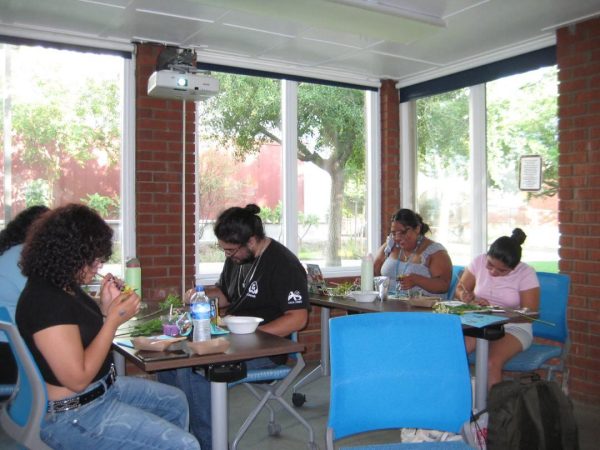
A goal that Esparza has also brought on from her previous years serving the club is to finally get Colita de Rana funded by the Matador Involvement Center (MIC). This would not only mean they would be better financially supported by CSUN, but would also allow them to go on more trips, be more recognized by the campus and gain more members.
Esparza encourages students to join Colita de Rana, including her friends, who she said are usually the ones she feels more open to talking with about certain sensitive topics.
“You’re able to cry in the club, first of all,” Esparza said. “Everything that we talk about in Colita stays in Colita. In our club, we make that very known.”
Students interested in joining the club can find more information on Colita de Rana’s Instagram or by attending a weekly meeting. Meetings are held every Tuesday from 4 p.m. to 5:30 p.m. at the Chicane House.