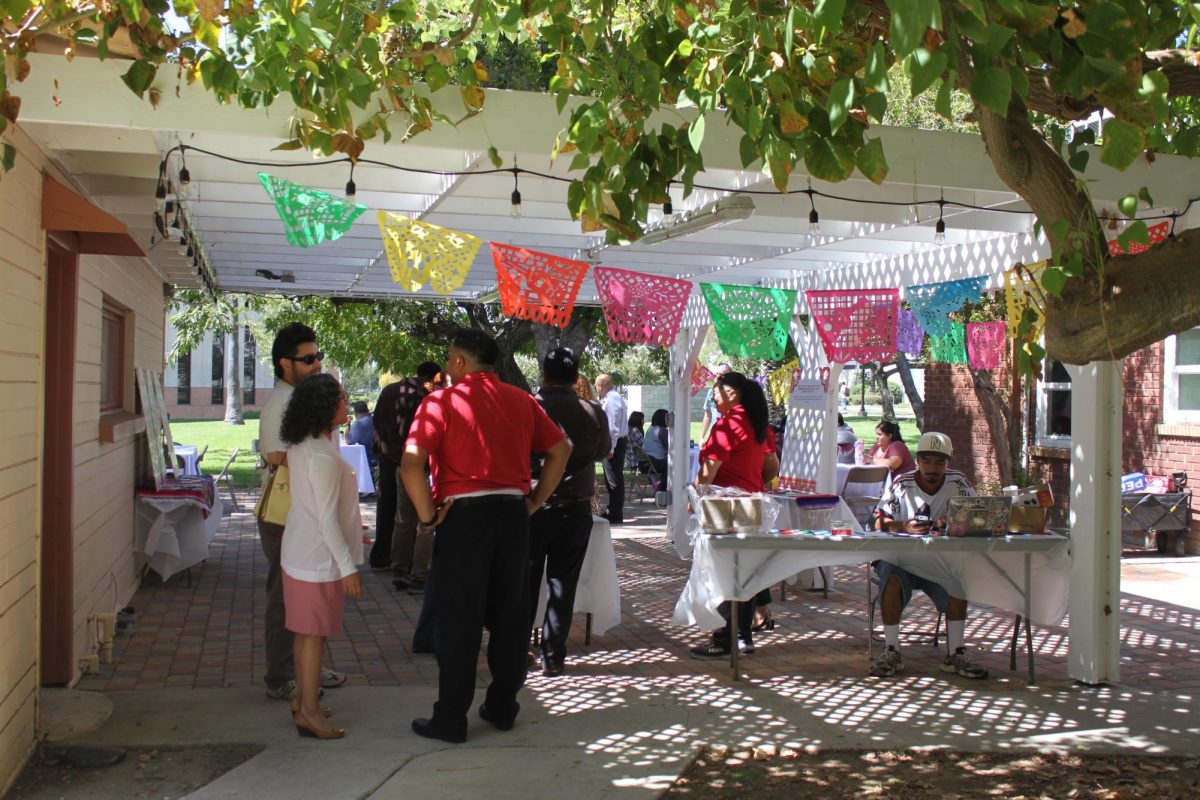
Established in 1992, La Raza Alumni Association (LRAA) is the oldest Latino-serving alumni group at CSUN. According to the CSUN Alumni Association website, they sponsor cultural events, “platicas” or talks with professors and scholarship fundraisers. The association also hosts monthly public meetings and an annual social mixer for alumni.
Although organized in the early ‘90s, LRAA became inactive in 2021 for a year until its revival in 2022. Current LRAA member Olivia Robledo recounted her time as a member of the general alumni association board and noted that approximately half of the campus population was Latino. When she learned the Latino chapter was inactive, she decided to bring it back with the help of other members and faculty in Chicano Studies.
“I was attending the general board meetings, and I was receiving reports from the different chapters, including the Black chapter, the law chapter, all these different chapters,” Robledo said. “I was hearing that we were 50-some percent Latinos at [Northridge] and yet we didn’t have a chapter, so it really bothered me after a few meetings.”
At one of the first meetings when the chapter was being revived, members wrote on sticky notes reasons why they would join. Robledo emphasized some of the driving reasons people joined were reconnecting with the people they went to school with and wanting to give back.
“They also felt the chapter could give the feeling of family [or] familia,” Robledo said.
According to President Juana Maria Valdivia, one of the core tenets of La Raza is giving members a sense of belonging.
“That’s part of the reason why I also joined,” Valdivia said. “There’s so many chapters, there’s the general association, but this one in particular, because I feel like I belong.”
She added that the association is not only open to alumni, but to current students and community members as well.
This semester, LRAA is conducting a funder campaign until Feb. 28 with a goal of raising at least $10,000, according to Valdivia.
“The intention of this campaign funder is to reach out to alumni or anybody who would like to donate with the intention of us being able to use those funds for scholarships, or to sponsor students in the future with conferences or any educational opportunities that come with a price and often are not able to attend because they don’t have the funding,” she said.
Valdivia also emphasized the importance of networking and how that may be intimidating for Latino students, especially for those who are first-generation. The association strives to bring in alumni from different fields of study to speak and network with students.
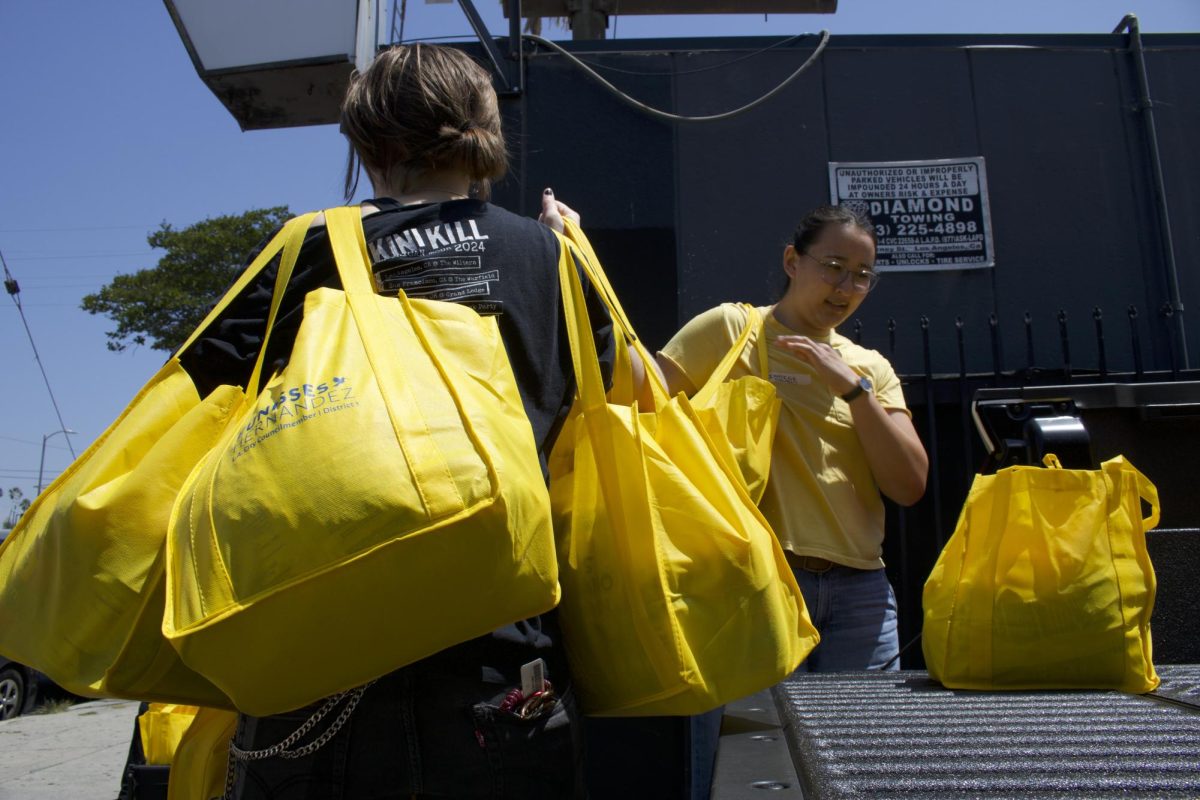
Additionally, amid the immigration raids that have largely affected the Latino community, LRAA has helped organize food drives or supported members financially.
“During these times, a lot of our families are struggling with this issue of immigration and these ICE raids,” Valdivia said. “I think that’s where our chapter really embraces more than just networking and mentoring, but it’s about familia, taking care of one another.”
Guadalupe Sanchez, who graduated in 2024, was previously an active student and was invited to one of the association’s meetings. Joining became a way for her to still be involved after graduating, but also reflected a desire within the association to include more recent graduates.
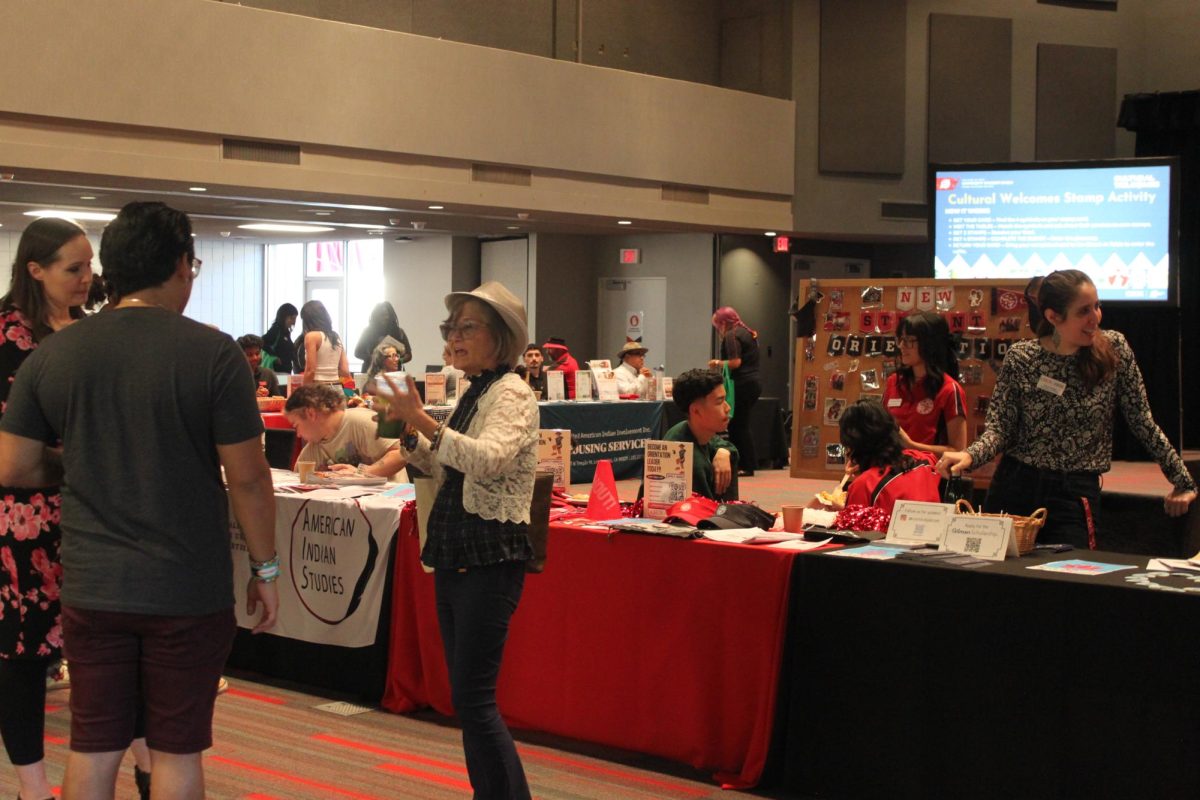
She now serves as vice president of LRAA and said one of the best parts of being involved is spending time with other members whom she looks up to. A moment with LRAA that has stood out to her was being able to get the association noticed at a Latinx welcome event and letting students know the association can be a resource.
“A lot of students didn’t know that we were even in existence,” Sanchez said. “They didn’t know we had an Instagram at all, so just sharing that and being able to let them know that it was not only just alumni, anyone can come to a meeting, anyone can come give an opinion.”
Their next monthly meeting will be held on March 16 from 6:30 p.m. to 8 p.m. in Bayramian Hall 190, or can be accessed on Zoom.
Correction issued Mar. 12, 2026: A previous version of this article incorrectly listed the last name of a source.