
As summer inches closer, temperatures are expected to continue rising across the San Fernando Valley. CSUN students are bracing for intense heatwaves and all that comes with them, both in and out of the classroom.
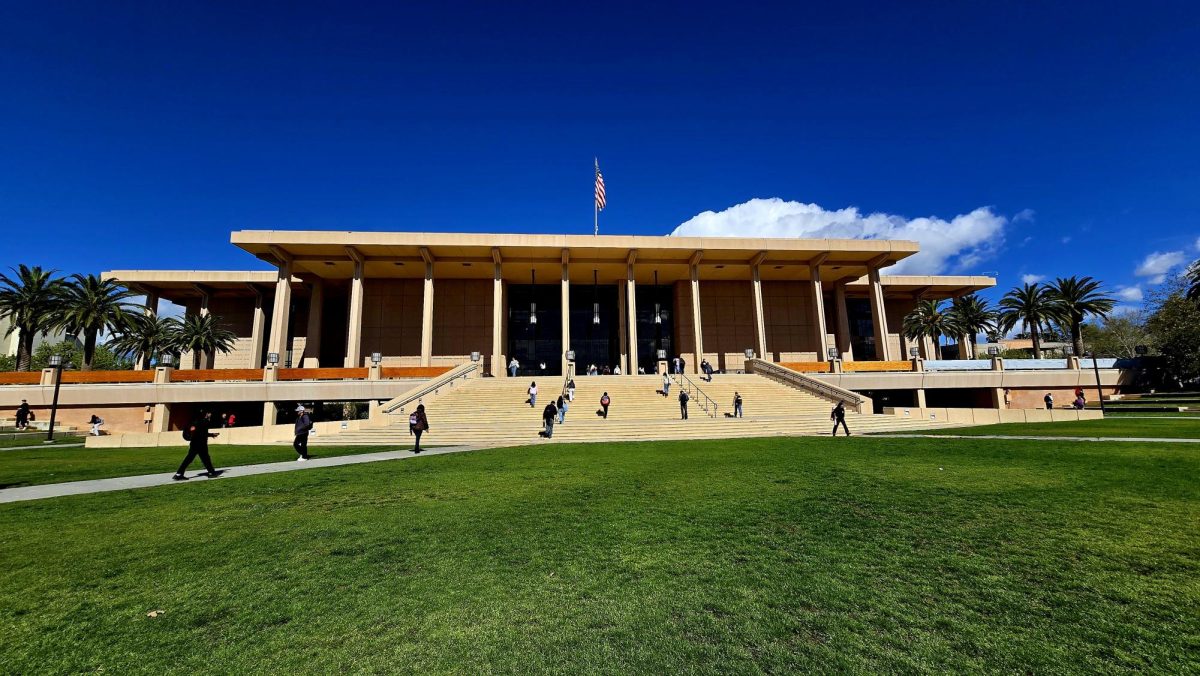
Some are looking toward more shade as a solution. The biggest proponent: the creator of an online petition titled “CSUN Needs More Trees.” According to the pinned FAQ post on its official Instagram, which has garnered over 140 followers, their main goal is to “have CSUN notice the desire for more shady spaces to protect their students from the heat.”
The petition creator, who requested anonymity, described what initially inspired them to start the bid for more trees.
“I thought, how silly it was that in one of the hottest places in LA, people have to resort to bringing their own heat protectant just to get from their car to class,” the petitioner said.
According to the organizer, the main areas in need of shade are Jacaranda Walk, Lindley Avenue and the pathway to the left of the campus library. They also emphasized how uncovered parking lots produce heat from the blacktop.
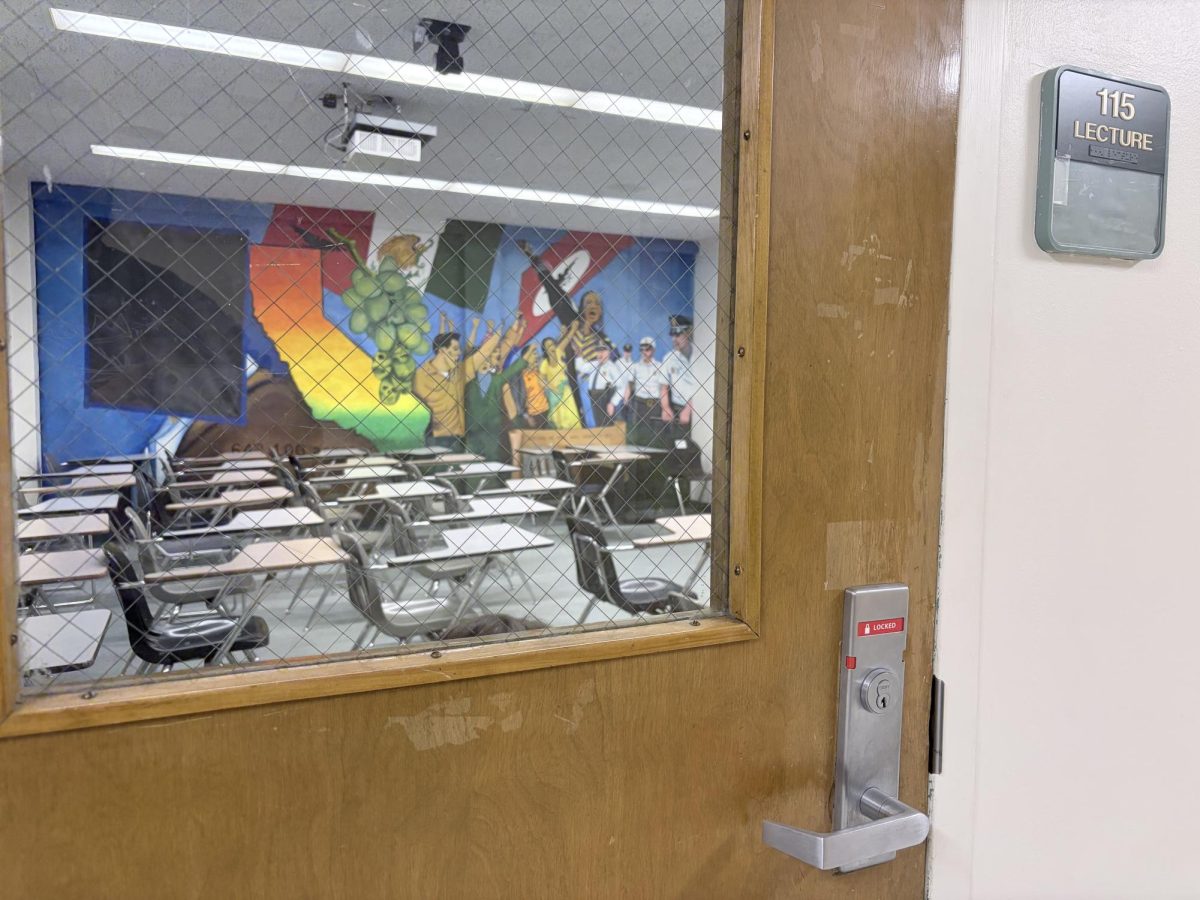
But for students and professors alike, the heat and the discomfort that comes with heat does not stop when students go indoors.
CSUN’s Environmental Health and Safety (EH&S) sets guidelines for indoor air quality and recommends that classroom temperatures be kept between 68 and 78 degrees for comfort. The university’s Indoor Air Quality program also recognizes that lack of ventilation and inadequate airflow or maintenance issues can contribute to an uncomfortable environment.
While those standards are in place, one student claimed the classroom environment often falls short of that mark, with temperature becoming an issue. A first-year CTVA student, who requested to remain anonymous, said hotter classrooms can be a distraction, particularly during important academic times.
“I just could not focus on the quiz, because I kept thinking about how hot I was,” the student said. “I am already like someone who is very anxious, like taking tests, so that just didn’t help, you know, create an environment that felt good to do my best in.”
They also added that uncomfortable classroom temperatures can reduce engagement, as attention shifts away from the course material.
While the university maintains temperature and air-quality standards, variations in building conditions and system performance can result in different experiences across classrooms.
Enrique Fregoso Jr., a senior criminal justice major, said many of his classes tend to be colder, which can make it harder to stay focused during lectures and can sometimes shift attention away from lectures and toward his discomfort.
“I’ll be falling asleep, kind of dozing off, and less focus on lectures and more focus on how comfortable it is to fall asleep in class,” Fregoso said.
The EH&S emphasizes that maintaining indoor comfort depends heavily on regular HVAC maintenance and on system performance, both of which are key to providing consistent air quality across campus buildings.
Professor Autumn Fabrican, who primarily teaches freshman courses in Jerome Richfield Hall and Ronni and Shepherd Goodman Hall, said overheated or stuffy classrooms make it difficult to teach, particularly in active learning environments.
“When a classroom is too hot or it is stuffy, it can just be uncomfortable to teach in, especially because I like to do a lot of activities in the classroom,” Fabricant said. She also noted that students often express concerns about classroom conditions and that participation levels tend to change when temperatures are too high.
Fabricant said that she communicates with campus facilities to address concerns, reporting classroom conditions to Physical Plant Management (PPM) to help maintain comfortable learning environments.
For students who do find themselves looking for relief from the heat, CSUN currently provides options, including the Botanical Garden, which provides shade from the foliage, the Oasis Wellness Center and the recently opened Valera NEST.