Roughly two-thirds of felons are rearrested within three years of release, with some studies from the Bureau of Statistics of Justice showing higher rates over longer periods of time – the three-year window theory, federal offenses and by offense. Fewer than four percent of formerly incarcerated individuals nationally graduate from college, compared to 29% of the general U.S. population.
A study by the Legislative Analyst’s Office of California shows that statewide statistics for individuals with felony convictions are harder to isolate. Although the percentages of going to college and earning a degree are low, participation in educational programs is rising.
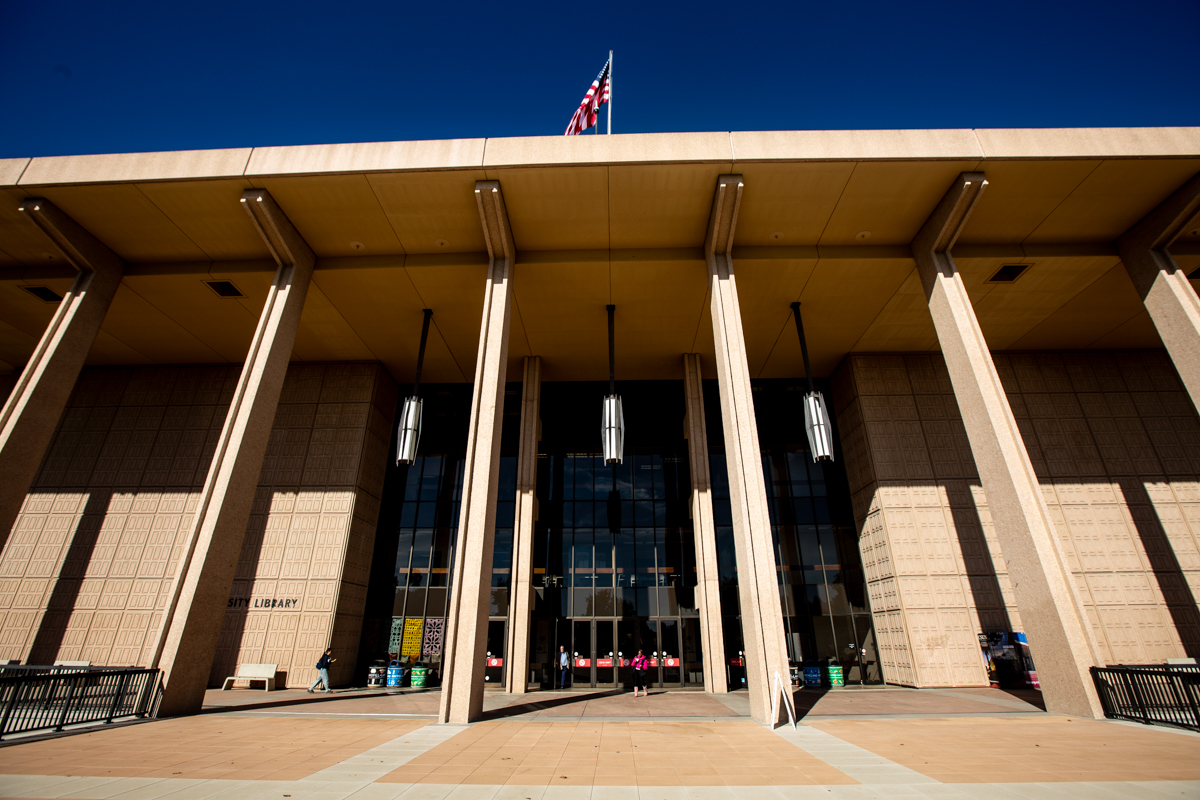
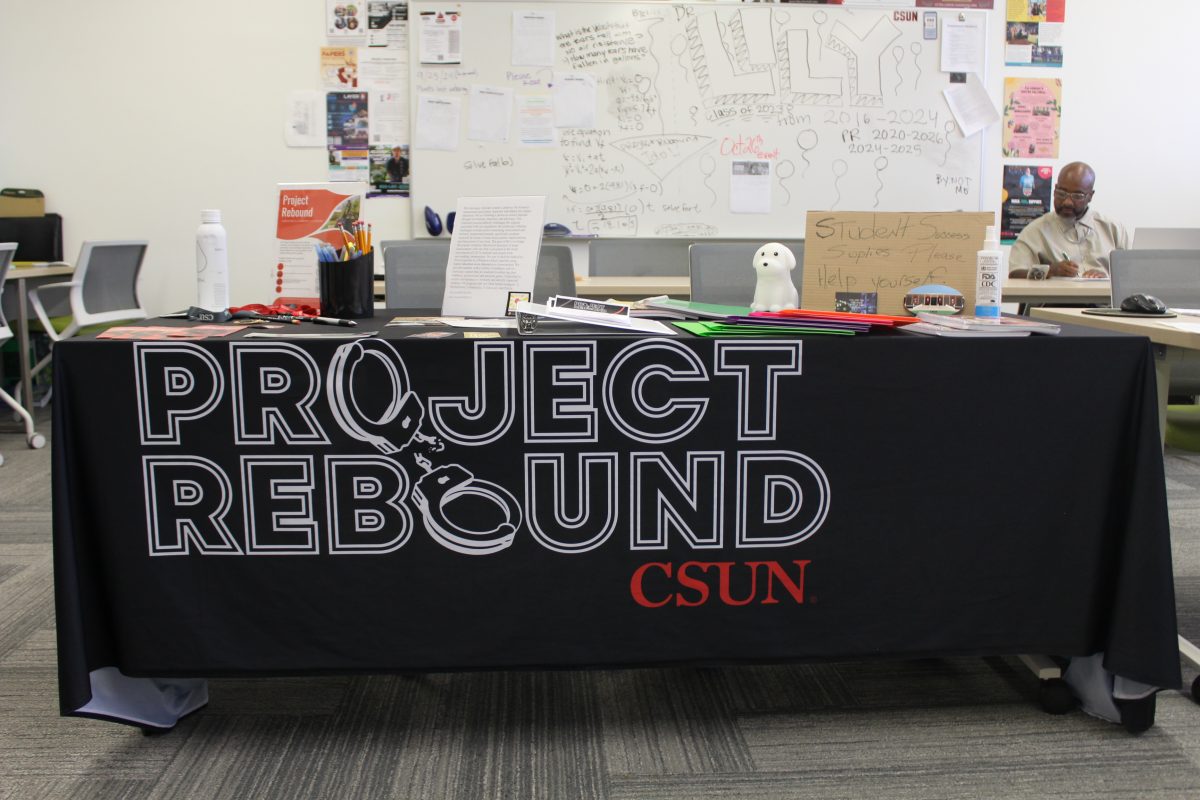
CSUN is one in 20 of the 22 Cal State Universities to adopt the Project Rebound Program for released felons, providing a second chance at life by allowing them to earn a degree while experiencing the college lifestyle.
Since its 1967 founding at San Francisco State University by John Irwin, Project Rebound’s mission is to support personal growth for formerly incarcerated individuals, replacing mass incarceration with educational opportunities. By offering services for guidance on enrollment, tutoring, financial aid, career support, mental health resources and community building, Project Rebound is creating impactful intangibles, such as the empowerment to overcome past challenges, build new skills and pursue fulfilling careers, transforming lives and enriching the university community.
Project Rebound has one goal: to prove that the justice system does not the formerly incarcerated a future. 15 years before the genesis of Project Rebound, Irwin was sentenced to Soledad prison for robbery, where he earned 24 college credits through a university extension program while serving prison time. After his release from prison, Irwin earned his bachelor’s from UCLA, a Ph.D. from UC Berkeley and later served as a professor of sociology and criminology at San Francisco State University for 27 years, during which he became known internationally as an expert on the U.S. prison system.
According to CSUN’s Project Rebound website, the program expanded to other CSU campuses only nine years ago.
“The CSU Project Rebound Consortium is now a state- and grant-funded network of programs operating at CSU campuses in Bakersfield, Fresno, Fullerton, Los Angeles, Pomona, Sacramento, San Bernardino, San Diego, and San Francisco,” CSUN’s Project Rebound website states. “Since 2016, Project Rebound students system-wide have earned an overall grade point average of 3.0, have a zero percent recidivism rate, and 87% of graduates have secured full-time employment or admission to postgraduate programs.”
The prefix stages of the program on CSUN’s campus were led by Lily Gonzalez and Johnny Czifra, both formerly incarcerated students who orchestrated a support group. This led to the establishment of Revolutionary Scholars, a student organization dedicated to creating alternatives to criminalization and incarceration. The group created a new lineage of what usually is first-generation college students in their families, allowing a new direction for the coming generations to follow.
Intern and student in the program, Ryan “Rhino” Deshae Jr., said Project Rebound means a great deal to him.
“It’s a blessing from God – I promised my mom when I got out that I would do better, get into school,” Deshae said. “I was locked up for an armed robbery with a deadly weapon, being a Glock-17. I’ve rehabilitated in this program more than any incarceration time ever gave me.”
Felon restrictions vary by state under the order of the Fair Chance Act, bringing exemption to “ban the box,” which prevents employers from asking about criminal history on initial job applications and delays it until after a conditional job offer. This ensures people with records get a fair review of their merits first, requiring specific notices and time for applicants to respond to potential negative findings before a final decision, as well as enforces rules around using arrest records not leading to conviction.
“In 2025, restrictions for a felon are primarily a lifetime ban on firearms, disqualification from jury service, and potential limitations on professional licensing and employment,” according to the Fair Chance Act. “Unlike many other states, California automatically restores most civil rights, such as voting, after the completion of a prison sentence and parole.”
Project Rebound on CSUN’s campus is relatively new, yet that doesn’t stop the drive to help these students succeed. This is done by providing housing, mentorship, paid internships, food and parking vouchers and partnership mixers with allied programs, such as Parent Scholars, which support students who are parents.
Abrom Milton of CSUN’s University Counseling Services spends time weekly in the Project Rebound space, devoting his attention to the students.
Lead Director of Project Rebound CSUN, Kevin Ziplicka, expressed his feelings about the program.
“Having our student space being a place for them to organize, establish community, just have a meal together, study together, share tips and tricks with each other, share resources, get by together has been crucial for our students to meet as they move out finding their place into the University,” Ziplicka said.
John Irwin, the student classes of Project Rebound, its staff and these educational programs for rehabilitation prove incarceration may not be the best option for all felons. Though some missed a shot at success the first time, many have rebounded with a second chance to build a better life. With hundreds of ex-incarcerated felons graduating, Project Rebound is a staple in creating change and true reform in society.