 Imagine waking up one morning in the future and while doing your daily routine, a stray bullet suddenly flies through your window and rips through you. You’re badly hurt and you know it, you feel your breathing slow down and worse – you’re bleeding out. Your vision begins to blur and slowly fade as your life flashes before you eyes. You’ve just died.
Well, your organic body has, anyway.
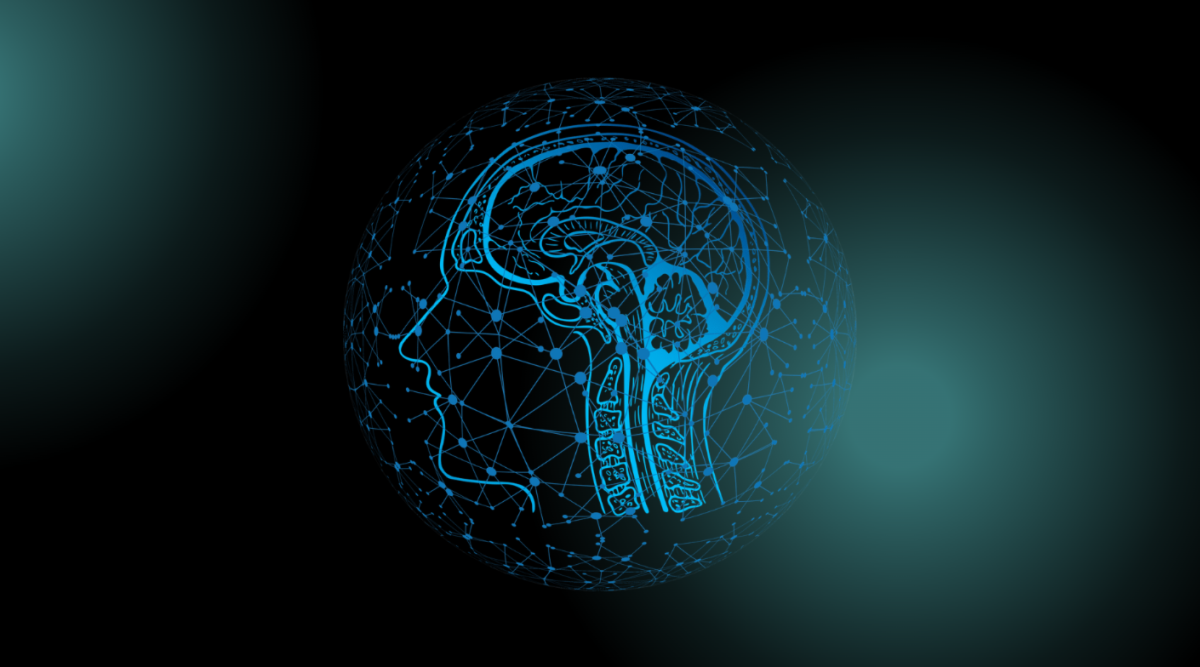
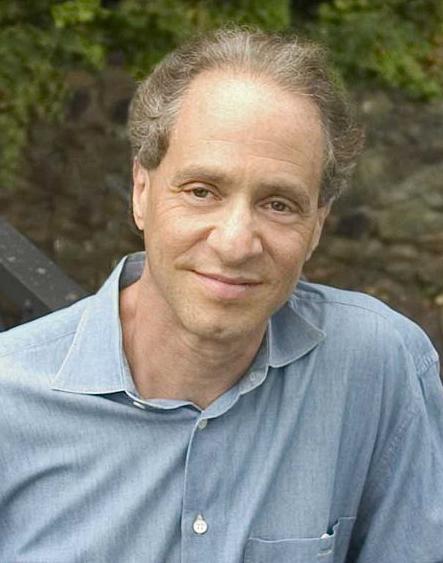
Ray Kurzweil, futuristic scientist and transhumanist, believes with the use of advanced computer technology, human consciousness does not have to expire once the body does. Your thoughts, ideas, knowledge, memories and feelings can continue their existence in a virtual world, as they are nothing but electrical signals able to be extracted from your brain and stored away.
But would virtual immortality be a gift, or a curse? If this actually becomes possible, is it really okay to let the lines between a virtual world and real one blur?
There couldn’t be anything better. The point of life is not just reproducing, it’s finding a cure for the ultimate, seemingly unbeatable disease know as death. Synthesizing with machines and artificial intelligence seems to be a promising way of doing so. The gift of immorality would compliment the gift of life.
Kurzweil believes we’re on our way to a “technological singularity,” meaning man and machine will eventually combine and transcend biology.
In 2006, the first link between a human brain and a computer were made where a paralyzed man was able to play games and use a robotic arm using only his mind. Currently, CSUN professor C.T. Lin, who specializes in mechanical engineering and robotics, has found a way to let paralyzed people control their wheelchairs with their brains.
It’s all about merging with technology.
“Right now, we have nanomachines that are able to enter the human body and do things like clean out excess lipids,” said Lin. “I’m sure nanomachines will advance in the future, but I don’t have a timeline.”
The possibilities of a world without the fear of death and losing loved ones is limitless. Fusing ourselves with technology would unlock our true potential as a species and we’d be able to gain unfathomable amounts of knowledge and live long enough to explore our galaxy and beyond.
However, there are some who are against the transhumanist movement. Bill McKibben, an environmental activist, says in his book “Enough: Staying Human in a Engineering Age” that we’ll lose our human identity by utilizing this kind of technology.
“Making devices of our ourselves would be the logical end to our technological momentum; it would end the tension between the real and the artificial,” he wrote. “But that tension is the last remaining fully human part of us, without it we free-fall toward who knows where.”
So what if we lose our organic bodies? That isn’t what makes us human. What makes us human is our acumen, morals and values, and they’ll still be around in a virtual world.
We humans have been obsessed with immorality for a very long time. Ever since writing and language were invented, we have been recording myths and fables that promise us eternal life when our physical bodies are no more.
Looks like they weren’t wrong.