In an entertainment era that relies heavily on huge budgets and visual spectacle, the producers of The Valley Film Festival (VFF) are striving to provide audiences with a fresh take through their film selection by placing an emphasis on storytelling. Each filmmaker selected has a motive: tell the audience a meaningful story.
For 25 years, VFF has cultivated the true essence of filmmaking. By hand-selecting each piece, VFF aims to leave the audience with something to think about. It provides a valuable experience for filmmakers and audience members alike. Yet, next year, the festival will not be returning.
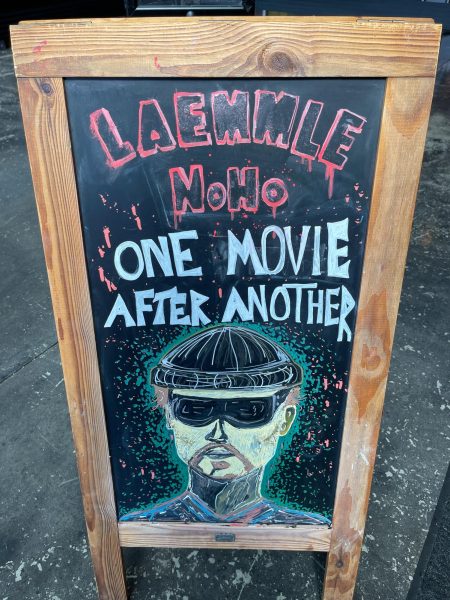
When Tracey Adlai, founder of VFF, moved from New York to the San Fernando Valley, she wanted to get involved in a film festival. What she realized, however, was that in the valley, there wasn’t one.
“So, I was like, how hard can it be?” Adlai said.
In an effort to foster a creative and beneficial environment for filmmakers, as well as distinguish valley filmmaking from Hollywood, Adlai created the VFF in 2000.
“I wanted people to be able to see the San Fernando Valley through my eyes,” Adlai said.
Whether it be year-round workshops or screenings of films, VFF grants filmmakers a platform, networking opportunities and the chance to learn and gain traction. Then, of course, there’s the annual week-long festival.
Typically spanning anywhere from three to 10 days, the VFF offered a wide range of titles from all over the world with a particular focus on local films.
“I think at the heart of our festival, it’s community,” Adlai said. “We really make our filmmakers feel like family.”
This year marked the festival’s 25th year, but also its finale. While the year-round opportunities for filmmakers will remain intact under Adlai’s organization, the festival itself will not return due to uncertainty with the venue.
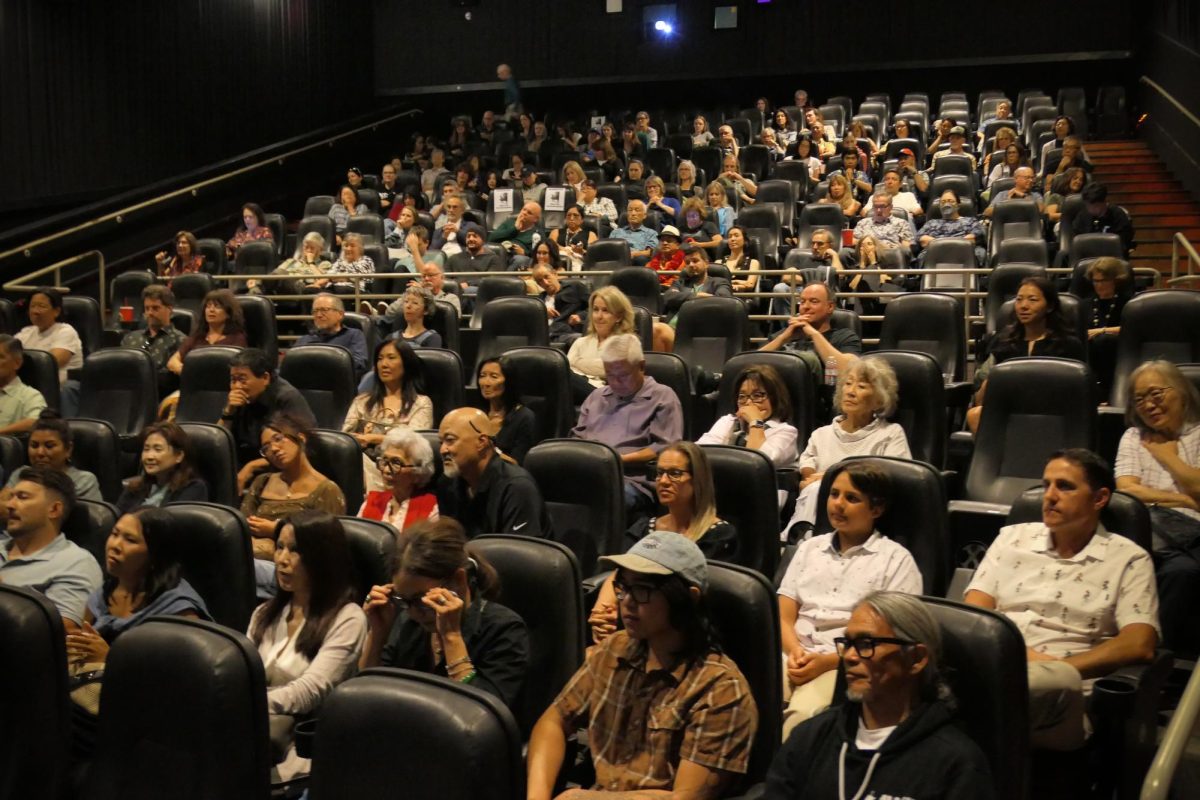
Despite the lingering deadline, this year’s festival provided excitement and hope for its filmmakers, as well as meaningful stories for its audience.
Kicking off on Sept. 17, the VFF alumni shorts program honored filmmakers who have had their work shown at the festival before. The next night, another shorts program, “Made in the (818),” highlighted filmmakers who were new to the festival and local to the valley. Both events showcased the festival’s ability to create a supportive and exciting environment for filmmakers who call the valley home.
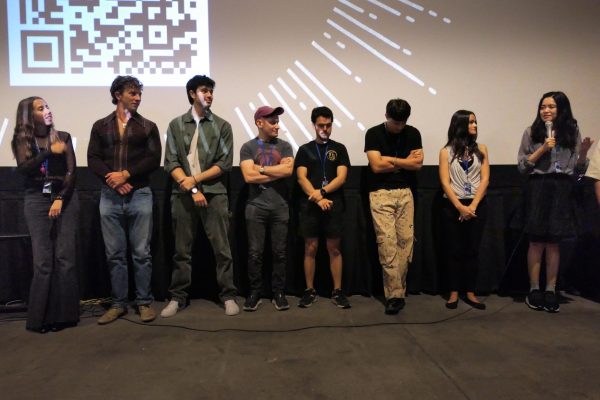
Another key feature of the festival was providing a platform for international filmmakers. Danny Thykær, director, writer and lead actor of the film “The Lone Killer,” which screened on Sept. 18, shed light on the value of VFF and the opportunities it provides.
“You’re learning, and you’re also participating, and you’re having a great time,” Thykær said. “And then, of course, if people see your film and they like it, it’s icing on the cake.”
Thykær’s film from Denmark mostly took place in a newsroom on the brink of failure. Based on real events, the newspaper is trying to make a comeback when, suddenly, the terrorist attacks of Copenhagen occur. Thykær’s film balances themes of religion and ethnicity, showing that unity is crucial when tensions are high.
Other films at the festival sought to provide equally important messages.
Shannon Lee Allbright’s documentary “2500 Miles” follows Allbright’s motorcycle trip from LA to Alabama, where she teaches a sewing class at her old elementary school. This inspiring story carries themes of perseverance and acceptance.
Similarly, Anne Davis O’Neal’s “Daniel Ho: Life as an Audition” represents triumph and the value of sticking to your craft. O’Neal’s documentary follows Daniel Ho’s experiences as a musician and producer and shows the benefits of never giving up.
It’s morals like these that the producers of VFF said they try to foster in their film selection – especially compared to the entertainment industry.
David Krouse, co-producer of VFF, said on average there is a difference between the entertainment industry and the film industry. While the entertainment industry is focused on a much broader scope, selling you everything that comes with a movie, the film industry is selling the story experience.
“We sat down, we looked at who’s local … who’s telling stories that are gonna be relevant to our audience in the valley?” Krouse said. “And what I look at is: does it give me energy? Or does it take a lot of energy?”
This process will remain as VFF continues to screen films. In the absence of the week-long festival, filmmakers will be provided with more in-depth opportunities and screenings will be spread out across the year. As for supporting your local filmmakers, Adlai and Krause encourage people to get to their local theaters and screenings so that stories can continue to be told.
More information on future VFF opportunities and events can be found on their social media and website.