
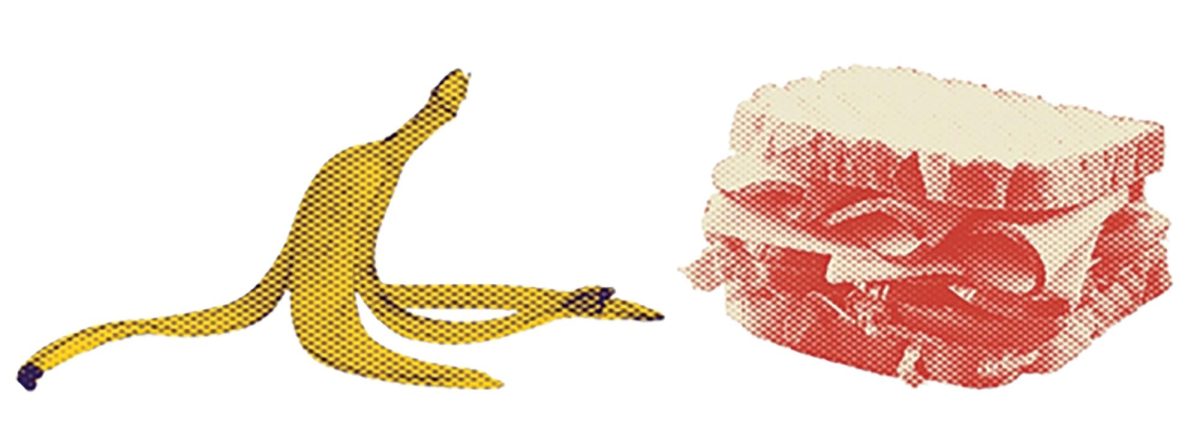
More than 380 million tons of new plastic is produced each year, and of that figure, less than 6% is recycled. It can be difficult to recall which item goes in which receptacle, especially in a rush. Here is a quick guide for which items should be recycled, trashed or composted on campus. For items not listed here, CSUN’s Zero Waste initiative has an interactive webpage to decipher which bin waste belongs in.
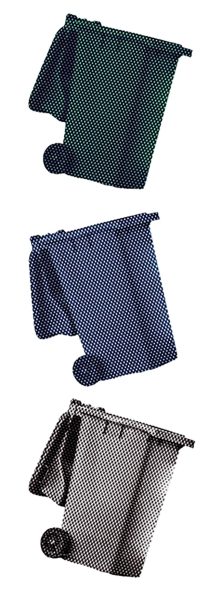
Compost (green bin)
Organic items disposed of in the compost bin are transported to facilities to break down, ultimately creating nutrient dense soil. Food scraps like bread, baked goods, cheese, meat and coffee grounds can all be composted. Fruits, vegetables, flowers and herbs can also be composted. In addition, unbleached paper, such as brown napkins and paper towels, wooden toothpicks and coffee stirrers can be placed in the compost bin. No wrappers, containers or cups can be composted.
Recycling (blue bin)
Waste items placed in the recycling bin are transported to sorting facilities and sold to manufacturers and companies to turn them into new products. Each plastic item is labeled with a different number that indicates the types of resin that make up the item. These different numbers make each item useful for different types of reprocessing. Plastics labeled one through seven can be placed in the recycling bin. Soda, juice, milk and water bottles or jugs can be recycled with their lids on. Clean, dry tin and aluminum cans, foil, paper, egg cartons, magazines, newspaper, cardboard and amber, green, clear and multicolored glass can all be recycled. No food or liquids can be placed in the recycling bin.
Landfill (black bin)
Items placed in the landfill bin are transported to landfills around the area. These items include candy and chip wrappers, coffee pods, plastic utensils, straws, laminated paper, styrofoam and more. In addition, items like paper plates and cups are often coated in a thin layer of plastic to make them waterproof, so paper dishware belongs in the landfill bin as well.