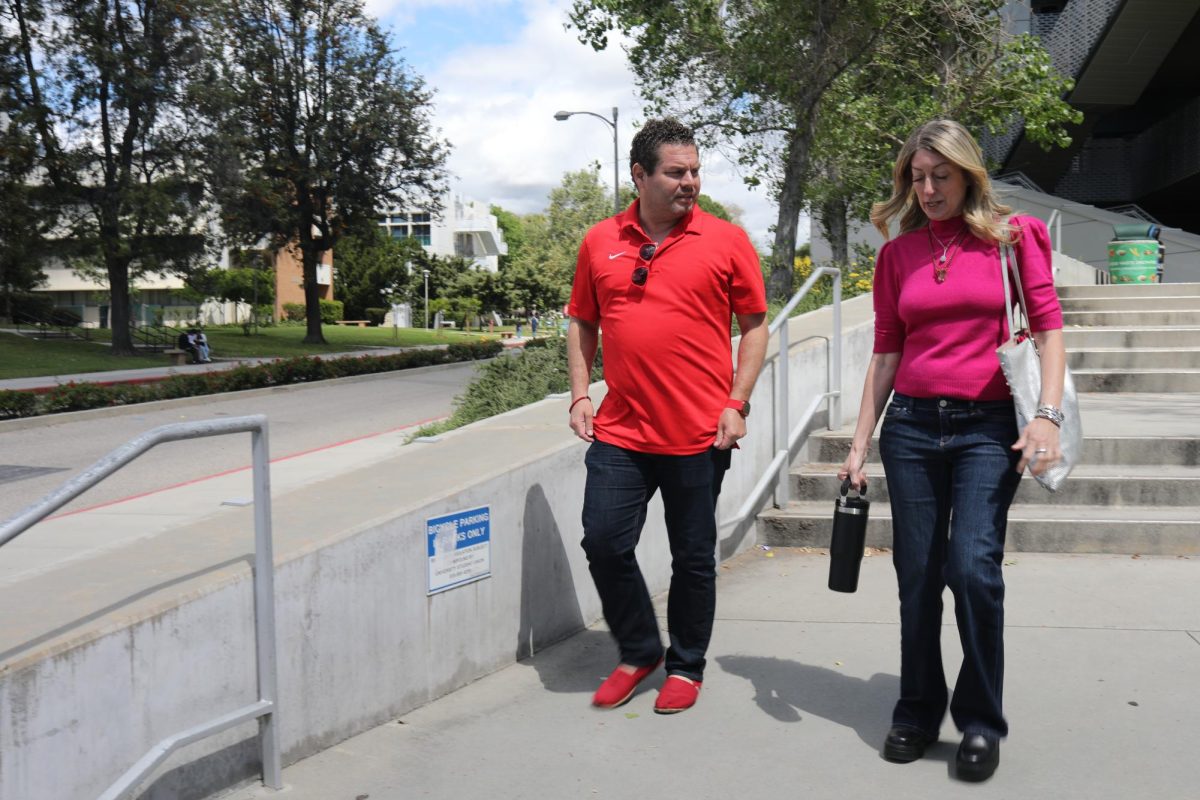
Vicki Mayer did what thousands of CSUN students do each May—graduate. However, unlike most students, she took a little longer than four years to complete her degree.
Mayer, a returning student, took an extended leave from college before returning. While some students take a few semesters off, Mayer took 35 years.
Not only has she been attending school part time, but she also has been working full time in the entertainment industry and has a daughter enrolled at CSUN. On top of this, she founded and runs the Returning Students Alliance (RSA), a club that creates a supportive community for students returning to CSUN after a prolonged absence.
“It shouldn’t be hard to go back to school,” Mayer said. “It’s already hard in our psyche, but it shouldn’t be hard in our path.”
The RSA took shape when Mayer noticed how other groups on campus were represented. There were several classmates Mayer spoke with who had questions about a myriad of topics that went unanswered.
“I was talking to Dean Searcy because I’m a psych major,” Mayer said. “I asked him, ‘Why don’t we have a place where returning students can go if they have a problem?’ And he said, ‘Why don’t you start a club and then you can create that place?’ So that’s what I did.”
When students take extended time away from school, they face unique challenges that set them apart from traditional incoming freshmen or transfer students. They might have a lower GPA from when they were last enrolled, which can make applying to graduate school more challenging. Some RSA members were on academic probation when they were last enrolled at CSUN, which caused setbacks in their education. One of the most common issues is finding classes that fit around their work schedules.
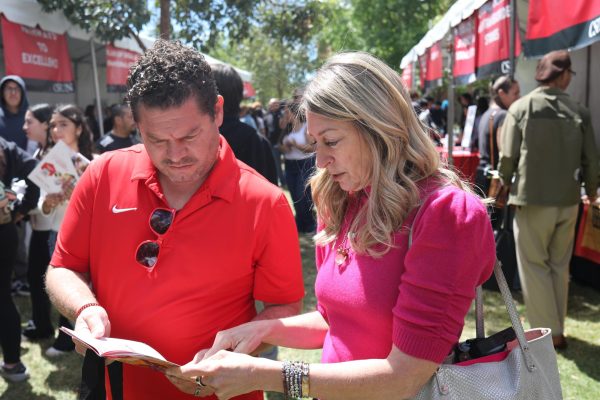
Matt Musgrove, another returning student and the fall 2026 RSA president, works full time as a software engineer and is studying computer science. When he finally decided to return to CSUN, he was excited to hit the ground running. When he realized all the classes he needed to take were only offered during working hours, Musgrove started to doubt if going back to school was a good choice.
“Vicki had been really helpful in knowing who to talk to,” Musgrove said. “She encouraged me to talk to my department chair and counselors to see what could be done to make things a little easier and accessible.”
Mayer helped Musgrove figure out whom to contact about possibly creating more class openings that can accommodate students who work full time, including potentially offering those classes online.
“I had no idea how much leeway we had as students,” Musgrove said. “As a returning student, CSUN wants us to succeed. They want returning students to come back, they want people to finish their degrees, so they are going to do what they can to help you.”
Since 2023, CSUN has prioritized returning students as part of its Strategic Enrollment Plan. The plan addresses recruitment, onboarding and integrated student services, however, returning students struggle with guidance and having a place designated for their needs.
In practice, returning students currently have two primary resources. One is through the club, and the other is a class called University 301. The class is modeled after a course for transfer students, and is designed to equip students with everything they need to know as they adjust to campus life. Kim Henige, Director of Academic First Year Experiences, has been at the forefront of the University 301 class and works with Mayer to inform students about it.
“Vicki tracked me down,” Henige said. “She found out about the class and was super excited. And now I can help promote the club, and she can help promote the class.”
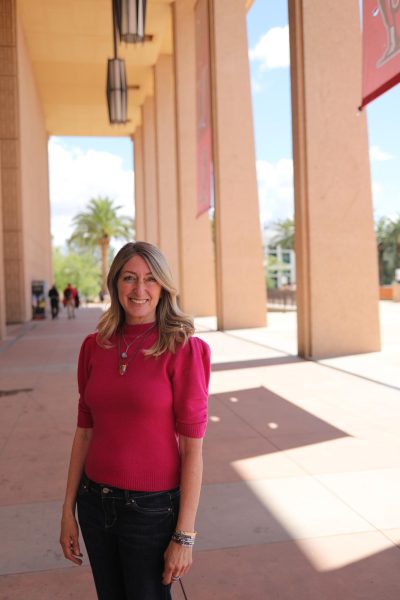
In addition to the class, there are whispers of the RSA becoming a permanent department on campus – something that both Mayer and Henige fully support.
“It would be a nice place for them to have something just for them because they have some unique issues and they may not know where to go,” Henige said. “It also would help them build community on campus with other students in the same situation.”
The Strategic Enrollment Plan covers 2023-26, leaving the future of returning student services uncertain beyond this year. In the meantime, the RSA – which has been functioning as a de facto department for returning students – will continue its work.
After she graduated, Mayer passed the baton to the next president and hopes that she will somehow still be involved in shaping a permanent institutional department with full support from all – or most – of the colleges.
“Vicki is a very special person,” Henige said. “She’s very motivated. I’ve never seen someone with so much passion and desire to help a particular community on campus. So it’s been really rewarding for me to work with her because we really care about the same thing.”