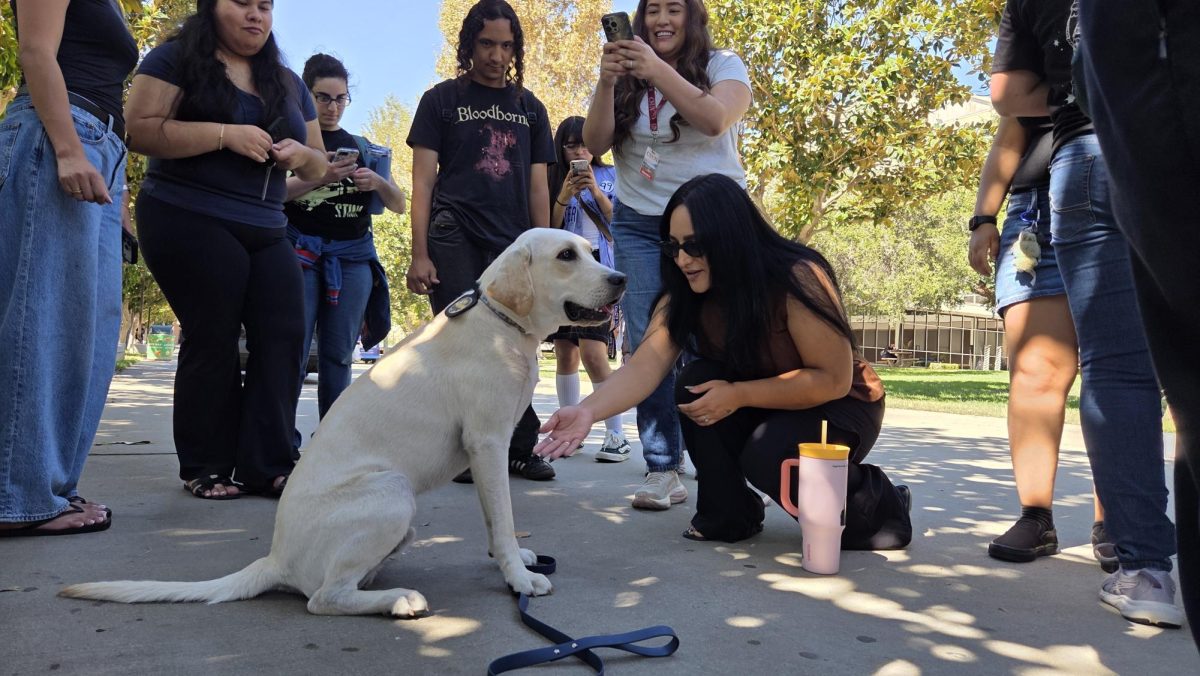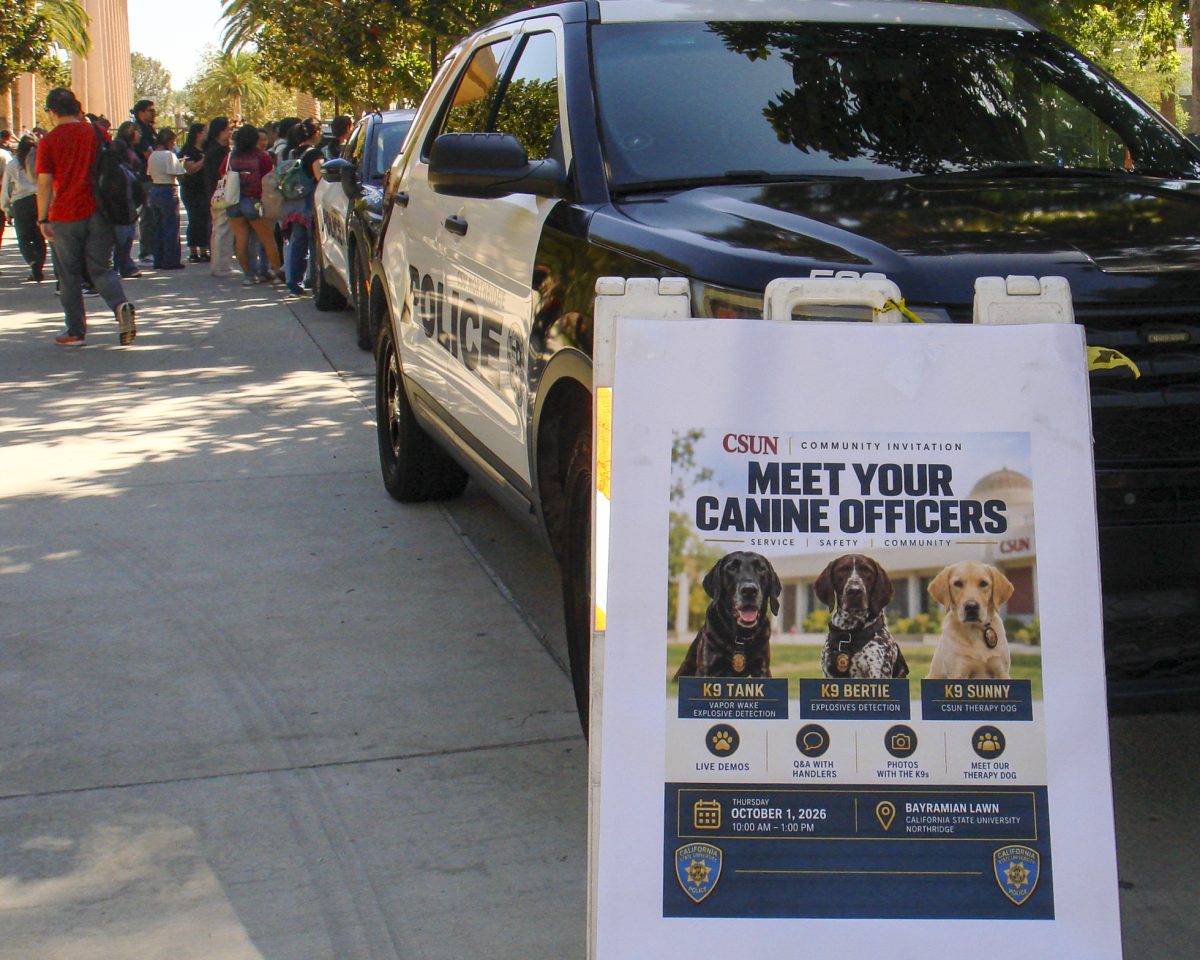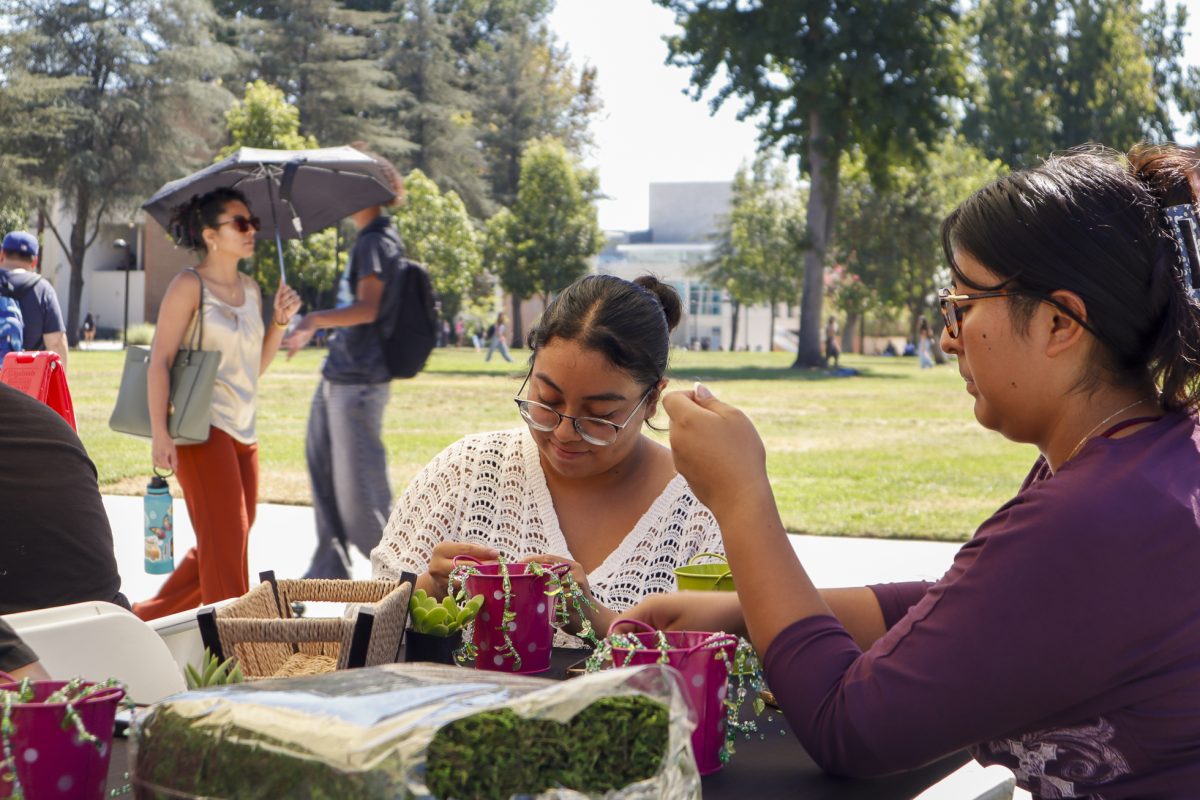
As students walked across campus Wednesday, they may have stopped for therapy dogs, but University Counseling Services hoped students would leave knowing where to turn if they needed mental health support.
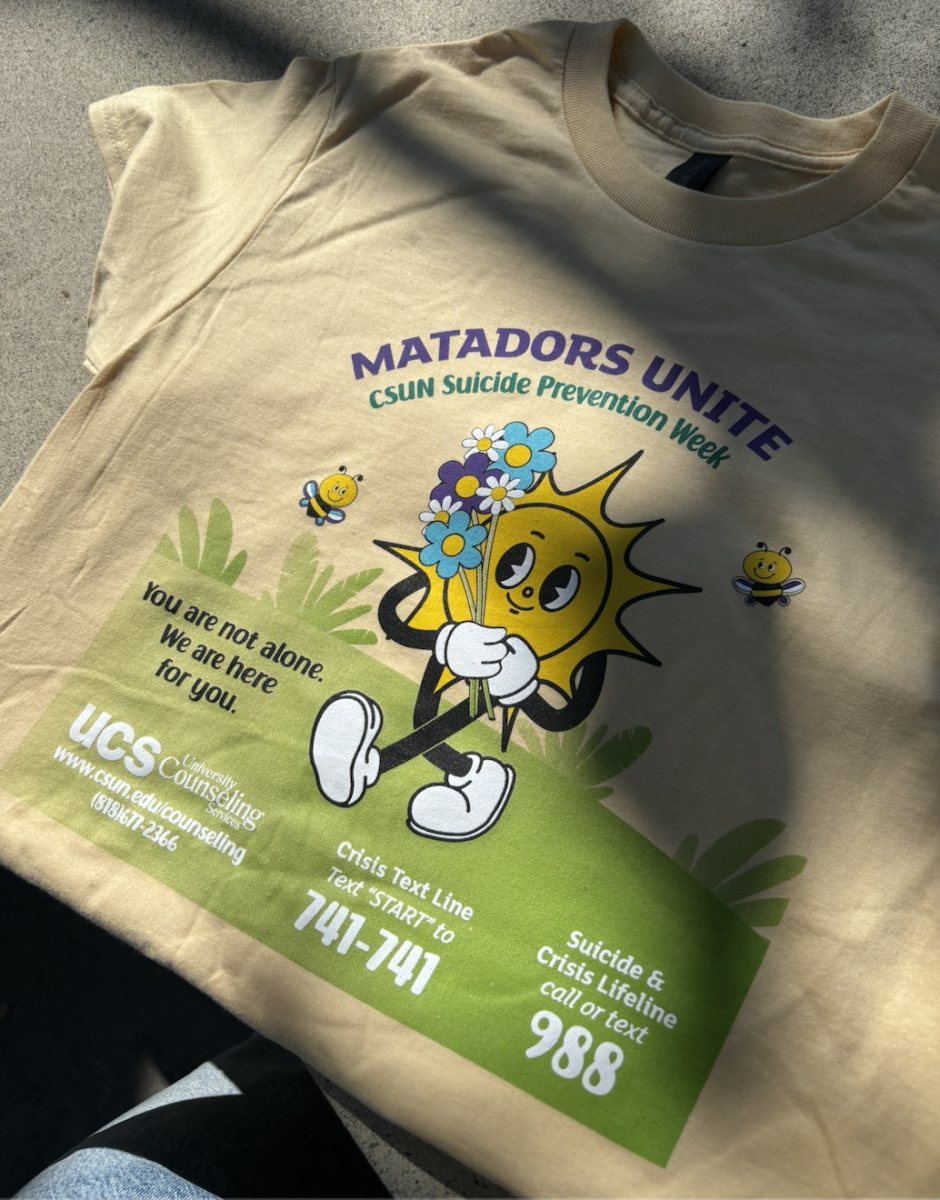
The suicide prevention resource fair was a part of CSUN’s Matadors Unite Suicide Prevention Week 2026, which included activities designed to make conversation about mental health and suicide prevention more accessible to students.
Suicide remains a significant concern among young people in the U.S., with the CDC identifying it among the leading causes of death for people ages 10 to 34; this event is presented as mental health remains a concern for college students.
According to a Healthy Minds Study, a web-based survey provides a detailed picture of mental health and related issues among college student populations. Healthy Minds surveyed 84,735 students at 135 colleges and universities and found that 11% of college students have thought about attempting suicide in the past year. The study also found that 17% of students agreed that they did not know where to find mental health resources at their schools.
For students who attended, the fair helped bridge the gap to knowing what resources are on campus.
Lecole Thibodeaux, a freshman Psychology major who initially came after spotting the therapy dogs, said she was surprised by the number of services available.
“I did not know that they had all these services and resources for students,” Thibodeaux said.
University Counseling Services’ main goal was to let students know that suicide and depression are real and there are free resources on campus that are available to students. Having an in-person event was very important to the University Counseling Services. Students who are commuting or wrapped in their daily routine may not physically see what help is accessible to them.
“We have to be out here; we can’t stay on the fifth floor of Byramian Hall and think students will know about our services,” said the University Counseling Services Director Julie Pearce. “We have to be boots on the ground, meeting students in person for students dealing with everyday stress.”
The Community Resilience Model developed by the Trauma Resource Institute helps people recognize stress in their bodies. It teaches different skills to help students identify when stress is affecting them and regulate their nervous systems.
The model focuses on staying within the “okay zone,” a state where a person feels regulated and able to function normally. Techniques include noticing physical sensations in their body and identifying whether they were pleasant, unpleasant or neutral. Students also practiced grounding techniques, such as noticing colors around them or feeling their feet on the floor. These exercises can help students feel more regulated and notice when dysregulation is happening.
“Practice these skills; they can be done anywhere,” said Allison Begley Williams.
University Counseling Services really wants students to know that support is available and that they do not have to wait until they are in crisis to seek help.