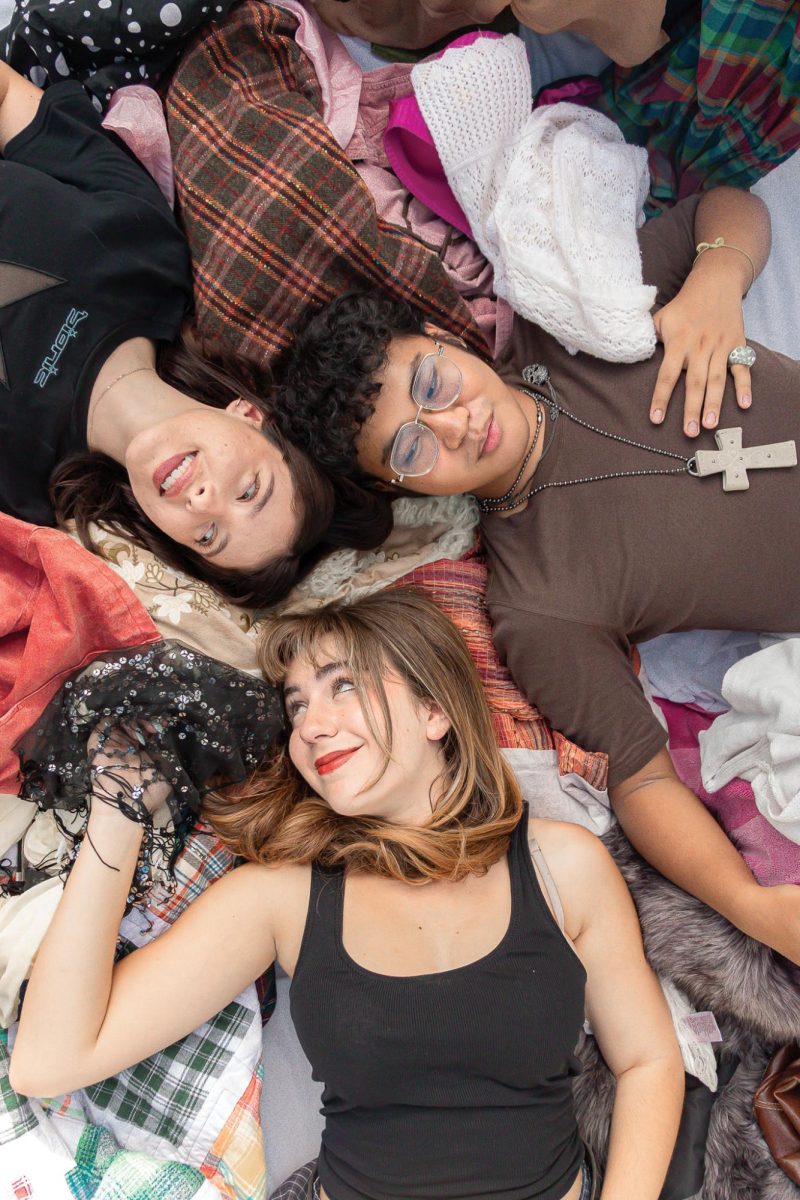
For fashion fanatic Sabra Fink, navigating the aisles of a thrift store is her happy place. From unique coats to one-of-a-kind boots, Fink thrives in making her fashion choices individualistic. However, curating peculiar pieces isn’t the only reason why Fink chooses to shop for upcycled apparel.
“We are giving clothes a second home,” Fink said. “I think it’s important to shop second-hand.”
Thrifting clothing has grown in popularity, primarily with Generation Z, due to the appeal of the low prices and sustainable efforts. As the trend of purchasing second-hand attire rises, greater awareness of the environmental impacts of the global supply chain and fast fashion have grown.
The trend of shopping sustainably is flourishing, as reported by ThredUp, an online resale consignment store that advocates for fashion affordability and sustainability. According to ThredUp’s 2025 Resale Report, the United States’ second-hand clothing market grew five times faster than traditional retailers in 2024.
Additionally, ThredUp reported that the age demographic for this crowd is predominantly younger, with 68% of consumers between the ages of 18 to 44. Tracy Tung, associate professor of family and consumer sciences, believes that sustainability becoming trendy may be the cause for renewed interest in the environment.
“We have been talking about climate change, sustainability and environmental consciousness for a long time,” Tung said. “The unique piece is the younger generation, Gen Z.”
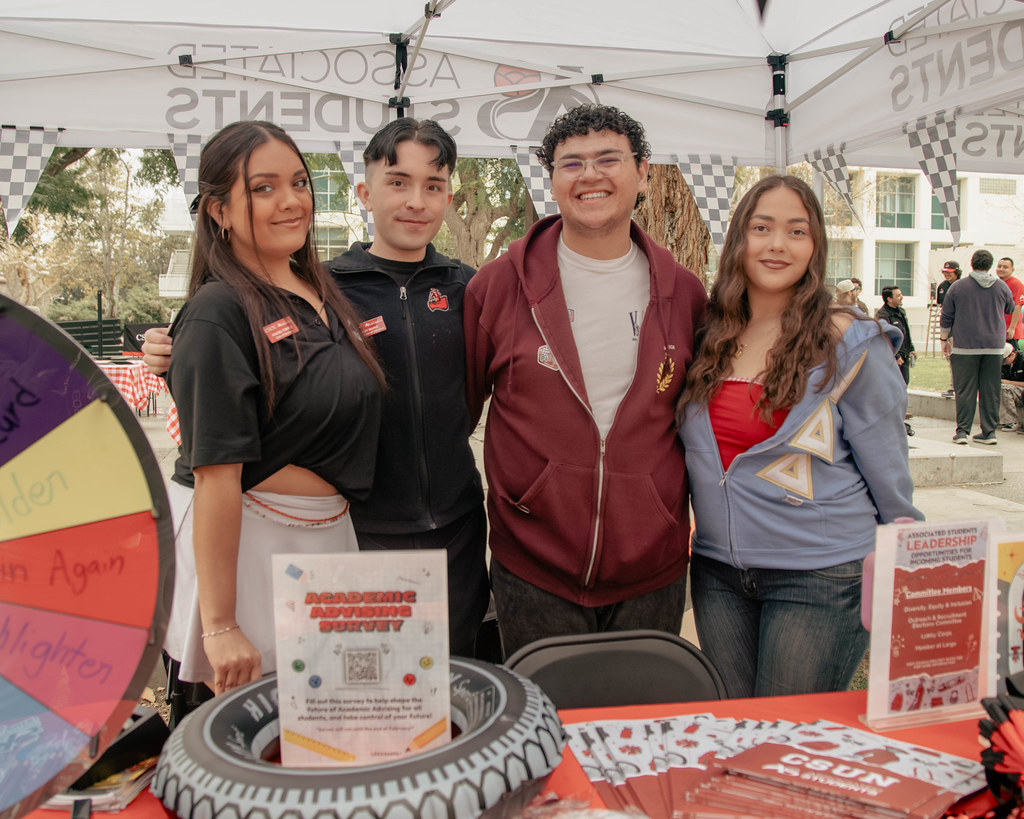
Fink is just one of the students who make up TRENDS, a fashion-forward club at CSUN. As one of the heads of public relations for the club, Fink expressed that she wants to create a stronger bond with CSUN’s Sustainable Fashion Program to promote more ethical ways to show up while still affirming personal style.
“TRENDS is an organization that seeks to create a community surrounding fashion,” Fink said. “Assuring that this community is acting ethically is very important.”
Fast fashion, coined by The New York Times in 1989, refers to the production speed and the ever-changing lineup of apparel on the market. The phenomenon of constant production now accounts for 10% of total global carbon emissions, as reported by Business Insider.
Beyond the environment, some ethical concerns have arisen along the way for these fashionistas, particularly regarding labor practices. The nonprofit Earth Day reported that the fashion industry employs 60 million factory workers; however, less than 2% of those workers make a living wage.
The Rana Plaza in Bangladesh is regarded as one of the largest industrial incidents, as reported by The New York Times. It serves as an example of extreme labor exploitation and conditions that have been recognized in the fashion industry.
In 2013, a mix of unstable foundation, building code violations and vibrations from power generators prompted the building to collapse, killing over 1,000 people. This event significantly raised awareness regarding labor rights for these high-demand clothing production sites.
Connor Davidson, vice-president of TRENDS and sustainable fashion coordinator, explained how knowledge of the supply chain and global production, specifically regarding fast fashion, has complicated his view of mainstream clothing chains and markets.
“Having that education of what’s going on globally within the fashion industry has changed things for me,” Davidson said. “Once you learn about the processes behind your clothing being made, it makes it a lot harder to just throw on whatever without that second thought.”
Beyond sustainability, fashion lovers like Tung, Davidson and Fink have also expressed that the accessible cost of second-hand shopping continues to appeal to younger crowds. A report from Sustainable Stillwater found that used clothing can often be 50% cheaper than buying new apparel.
“It creates a middle area for Gen Z who are very environmentally conscious, so they know, ‘I shouldn’t buy fast fashion because they are not good for our environment. At the same time I only have a limited budget, where do I find that stuff,’” Tung said. “Second hand thrift stores provide a good outlet for them.”
This combination of affordability and environmental consciousness is what drives students like Davidson and Fink to bridge the gap to build a more mindful fashion community on campus.
“I do think we’re seeing an effort from brands to try and bridge that gap a little more,” Davidson said. “I think there’s still a lot of work to be done in terms of bridging sustainability to everyone.”