By the time the sun rises over the San Fernando Valley, the parking structures at CSUN are already filling up.
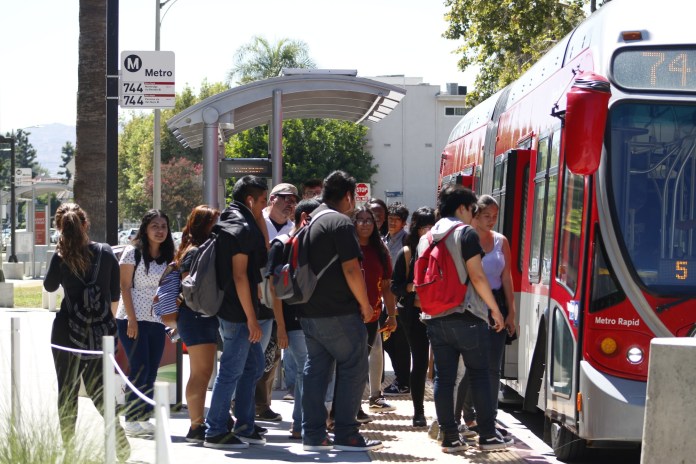
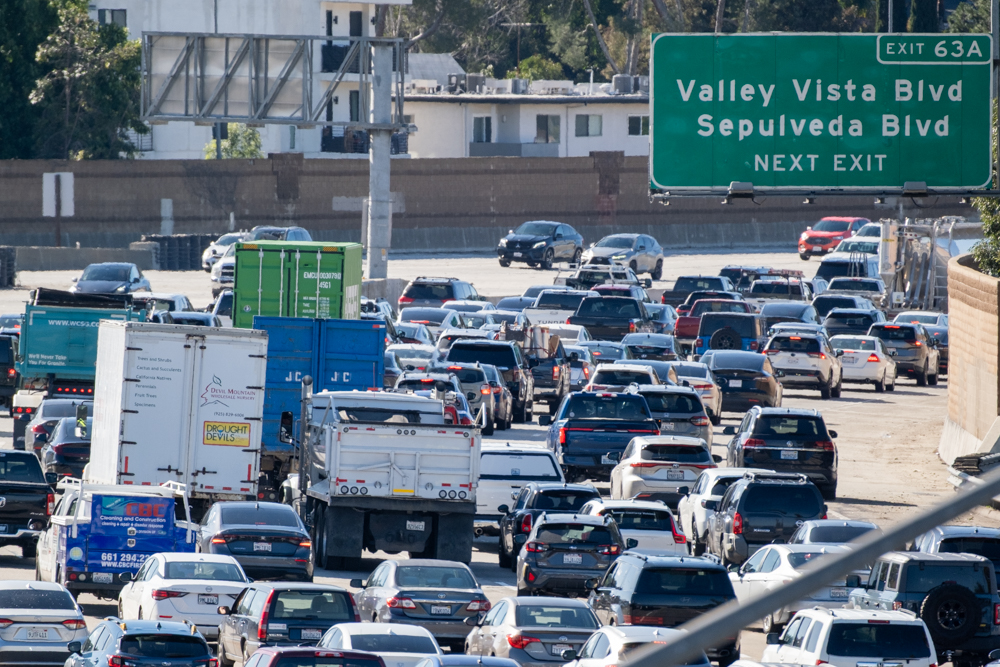
At a commuter-heavy campus, driving is part of daily life. So when California lawmakers began studying a mileage-based road charge as a possible alternative to the state gas tax, students and faculty alike began questioning how the proposal could affect access to campus.
The proposed program, explored under Assembly Bill 1421, would charge drivers based on the number of miles traveled rather than the amount of gasoline they purchase. The idea comes as gas tax revenue declines due to increasingly fuel-efficient vehicles and the growing number of electric cars on the road.
Henrik P. Minassians, a professor of Urban Studies and academic director at CSUN, said the shift reflects a larger structural issue.
“The way we collect taxes to fix our roads is through gasoline sales tax,” Minassians said. “As cars become more efficient and more electric vehicles are on the road, gasoline consumption declines. That means revenue declines.”
2023 data from Consumer Affairs shows that California had nearly 1.2 million light-duty electric vehicles registered, far more than any other state.
Lawmakers in several states have experimented with alternatives to the traditional gas tax, including charging drivers based on the number of miles they travel through “road usage charge” programs.
Minassians said the proposal raises significant equity concerns.
“Who is going to be affected the most?” he asked. “It’s the working-class people who rely heavily on their cars.”
According to CSUN’s “By the Numbers” student demographic page, about 69% of students are first-generation. Many commute long distances while balancing work and school, underscoring the economic pressures they face.
Nevaeh Montejano, a junior business marketing major, commutes about 25 to 30 minutes from the West Hills/Chatsworth area four days a week. Altogether, she drives roughly an hour per day.
Before switching to an electric vehicle, she said she spent between $140 and $200 per month on gas.
“It was expensive. It was really expensive,” Montejano said.
The possibility of a mileage-based road charge worries her, particularly if added on top of the existing gas tax.
Like many commuters, Montejano balances tuition, work and living expenses. An added transportation cost, she said, would force difficult choices for her peers.
Minassians emphasized that California’s housing crisis complicates the issue. As rent rises near job centers and universities, many families move farther away to find affordable housing.
“If you live in Palmdale and drive 40 miles to campus, is it fair for you to pay more simply because housing closer to Los Angeles is unaffordable?” he said.
A UC Berkeley study found that about 95.8 % of all residential land in California is reserved for single-family homes, and even when unincorporated areas are excluded, around 82 % of residential land remains single-family, which constrains opportunities for walkable, transit-oriented neighborhoods.
“Los Angeles is not New York City,” Minassians said. “We don’t have that level of public transit infrastructure.”
Montejano agreed that driving is often unavoidable.
“You can’t really walk everywhere in LA,” she said. “You have to drive.”
Minassians also questioned how exemptions would work under a mileage-based system. Service workers, delivery drivers, construction workers and others depend on vehicles for their livelihoods.
“If you exempt certain groups, others will challenge it,” he said. “If you don’t exempt them, you disproportionately impact working-class Californians.”
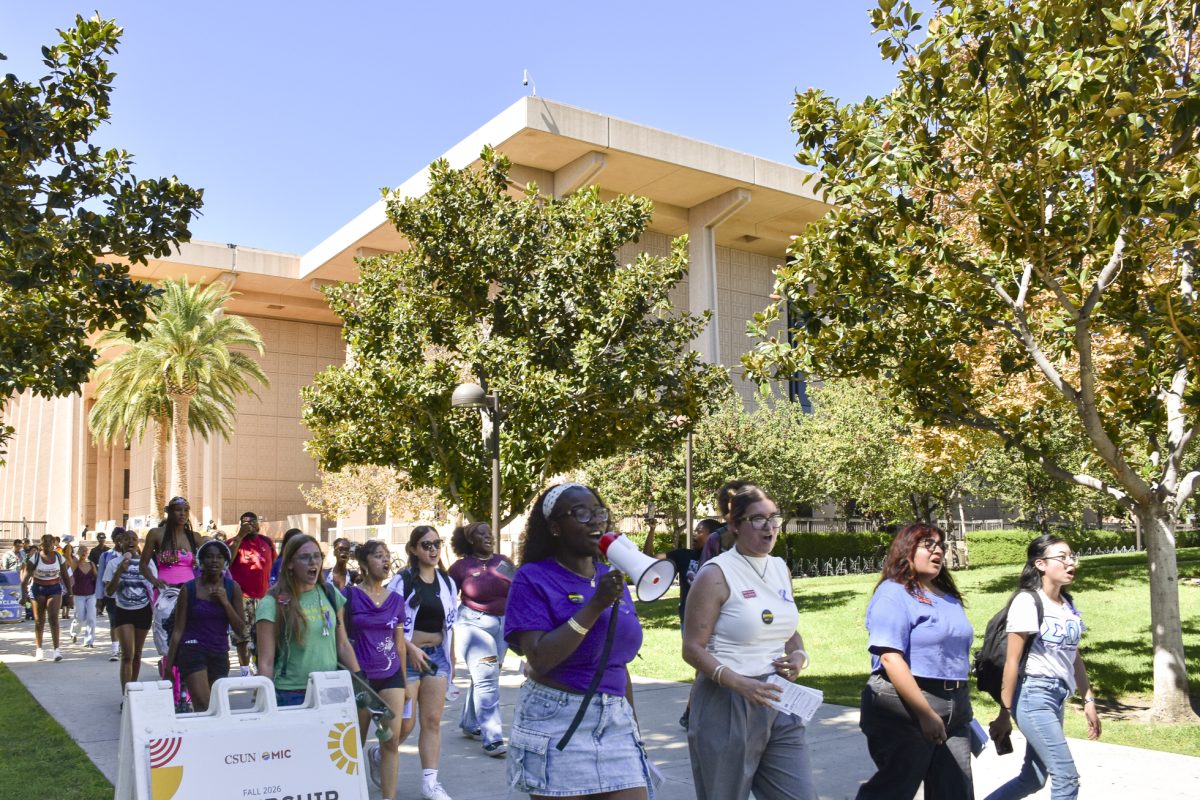
Beyond transportation costs, both Montejano and Minassians said the proposal could reshape campus life. If commuting becomes more expensive, universities may expand hybrid or online course offerings to reduce the need for daily travel.
“It might become necessary to schedule classes so students don’t have to come to campus every day,” Minassians said.
Montejano said she could see online learning expanding, but worries about the long-term impact on the campus community.
“For commuter students, you already have to plan your whole day around being on campus,” she said. “Being physically here really makes or breaks your experience.”
She fears an added road charge could further distance students from campus involvement, hindering the sense of community that college students seek.
The mileage-based road charge proposal remains under study and has not been enacted into law. At commuter campuses such as CSUN, the discussion extends beyond infrastructure funding to include how such a policy could affect students who rely on personal vehicles.
As Minassians put it, “The issue is much bigger than just transportation. It’s housing, equity and how California is built.”
For CSUN students navigating long drives and tight budgets, any change to how the state funds its roads could shape not only their commute but their access to higher education itself.