Dolores Huerta, 96, has dedicated most of her life to fighting for the rights of farmworkers and women. In her pursuit of justice for others, Huerta kept her own lived experience with abuse silent – until now.
On Wednesday, The New York Times published a years-long investigation into sexual abuse allegations against labor leader and civil rights activist Cesar Chavez. The article reported the accounts of three women, including Huerta, who said they were subjected to molestation and rape at the hands of Chavez, two of whom were minors at the time.
After 60 years of silence, The New York Times told Huerta that she was not alone, leading her to speak out publicly for the first time as an activist and as a woman.
“I carried this secret for as long as I did because building the movement and securing farmworker rights was my life’s work,” Huerta wrote in a statement following the release of the article. “I now understand that I am a survivor — of violence, of sexual abuse, of domineering men who saw me, and other women, as property, or things to control.”
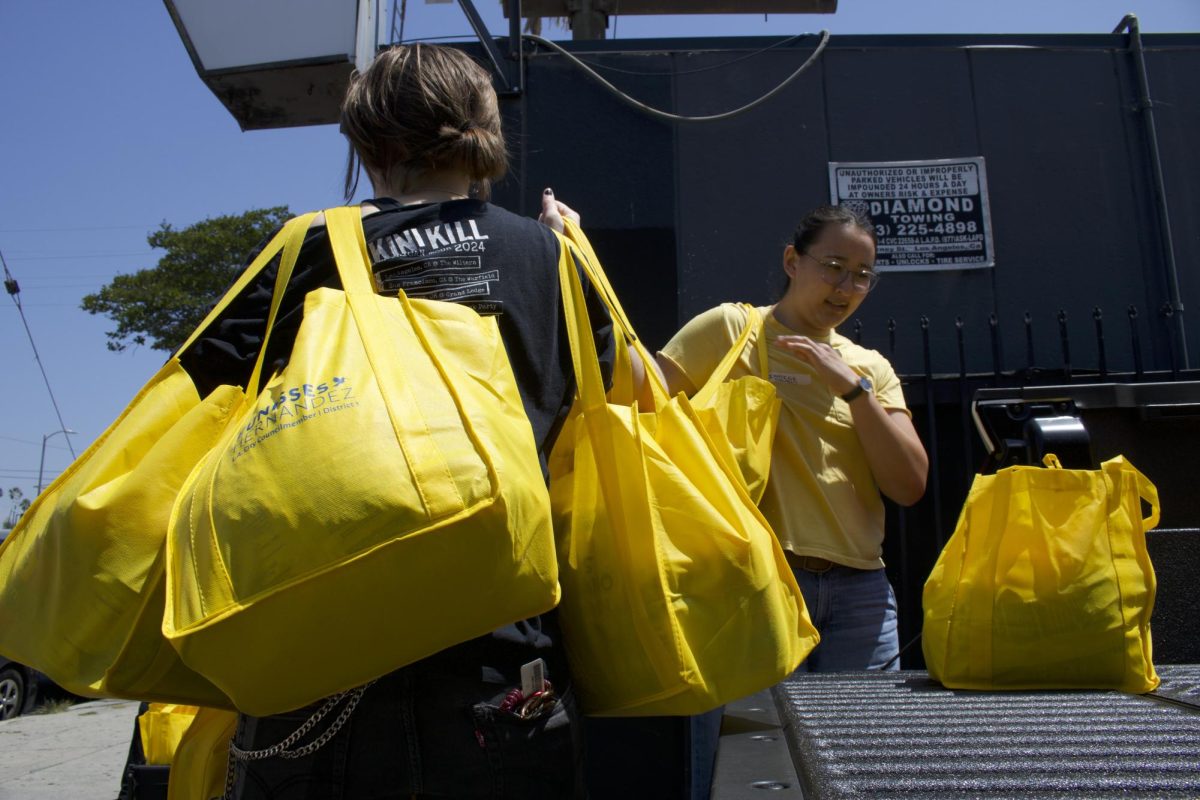
Now, organizations across the country are canceling celebrations in honor of Chavez, condemning his behavior. Most notably, the United Farm Workers Foundation (UFW), a labor union co-founded by Huerta and Chavez, canceled all Cesar Chavez Day activities planned for the month of March.
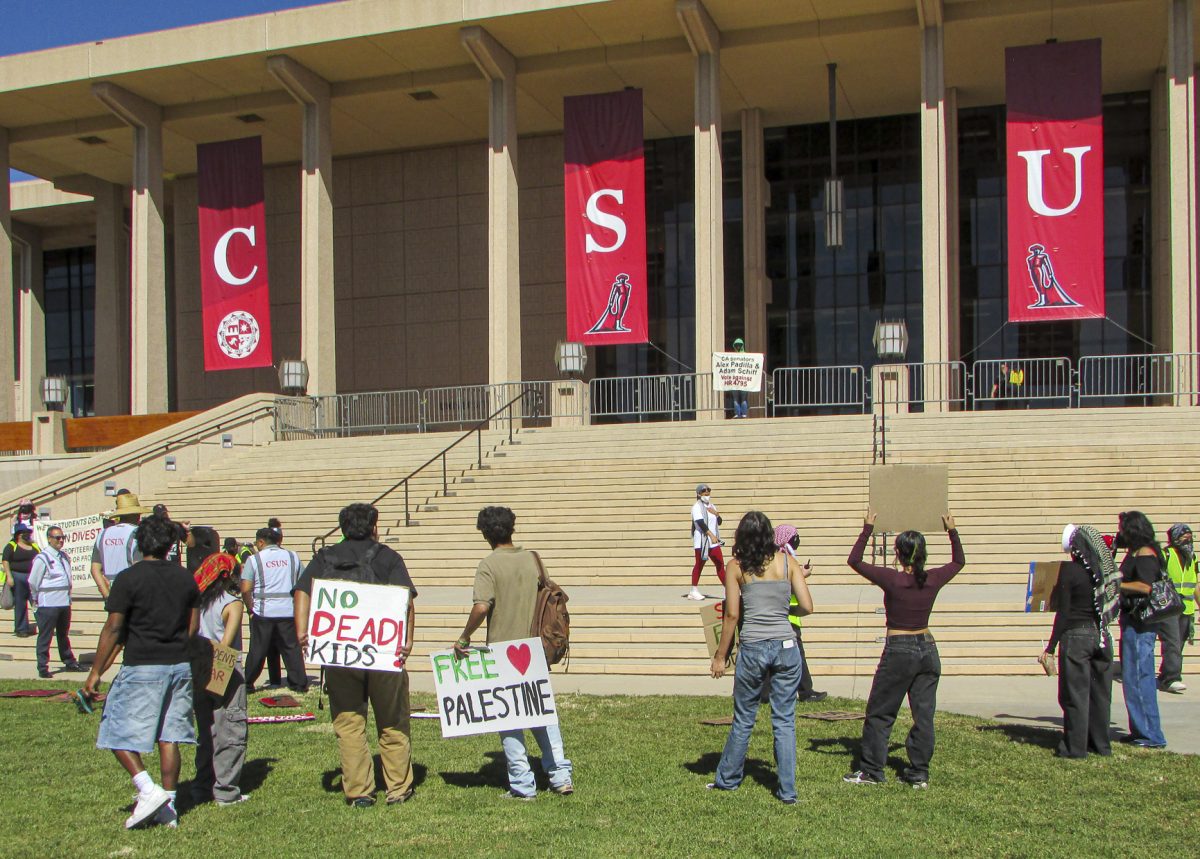
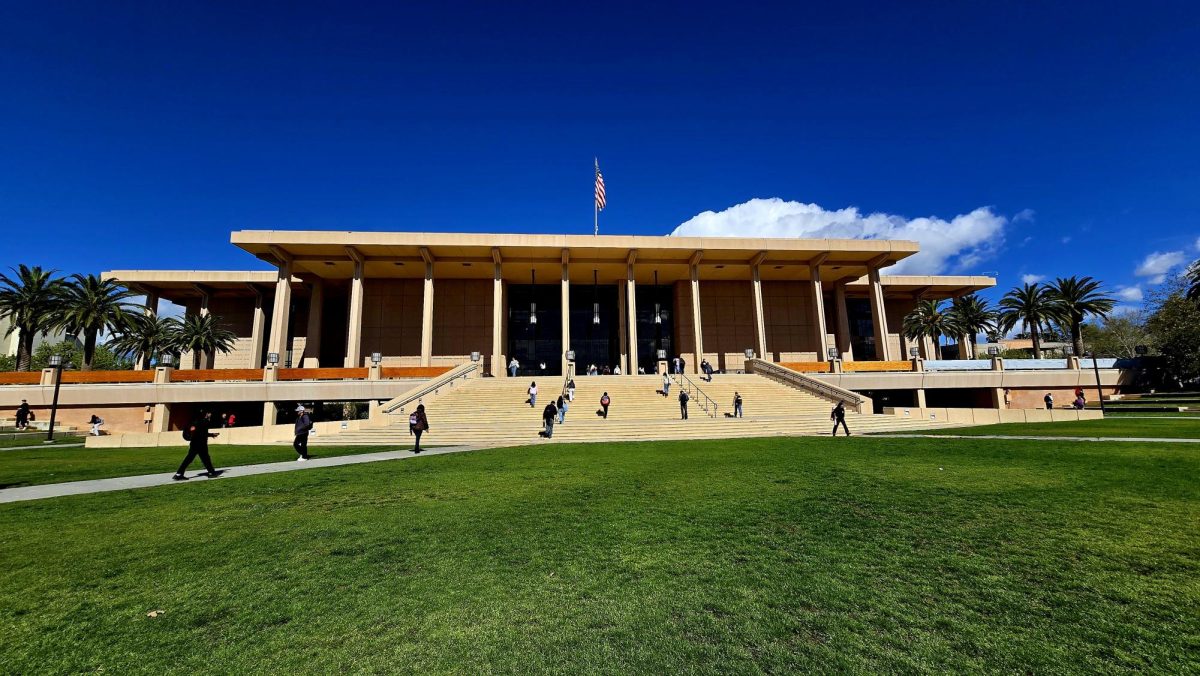
Clubs on CSUN’s campus were also quick to speak out against Chavez, standing in solidarity with Huerta and other women who experienced the abuse, including CSUN La Raza and M.E.Ch.A de CSUN.
M.E.Ch.A wrote on Instagram Thursday that the farmworker movement stretches far beyond Chavez and that they strive to honor only leaders who mirror “values of justice.”
“We cannot ignore the pain that has been brought forward,” the statement read. “We cannot move forward without centering the voices of those who were harmed, as well as those whose labor sustained the movement.”
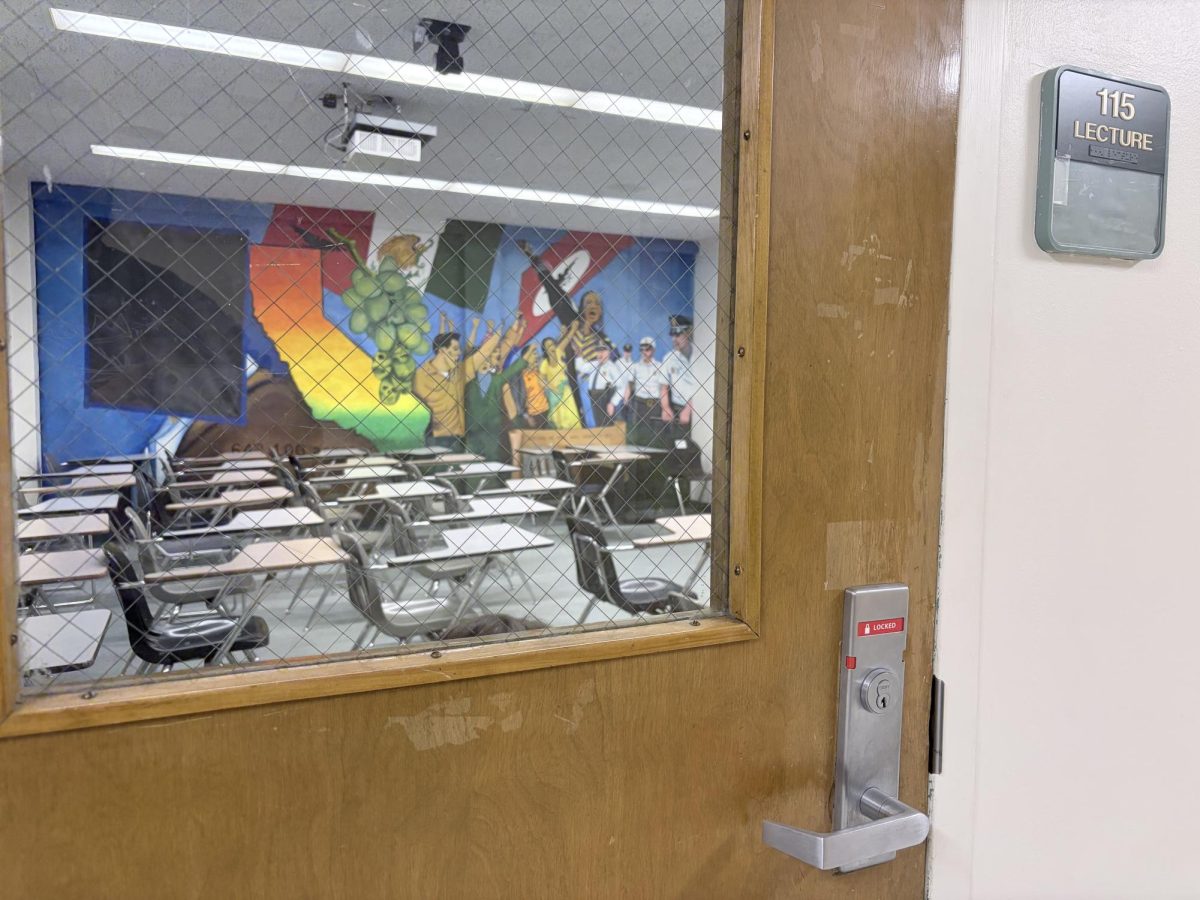
The university’s Chicana/o Studies Department affirmed its commitment to standing with survivors of abuse, saying even civil rights movements can fall victim to a patriarchal society.
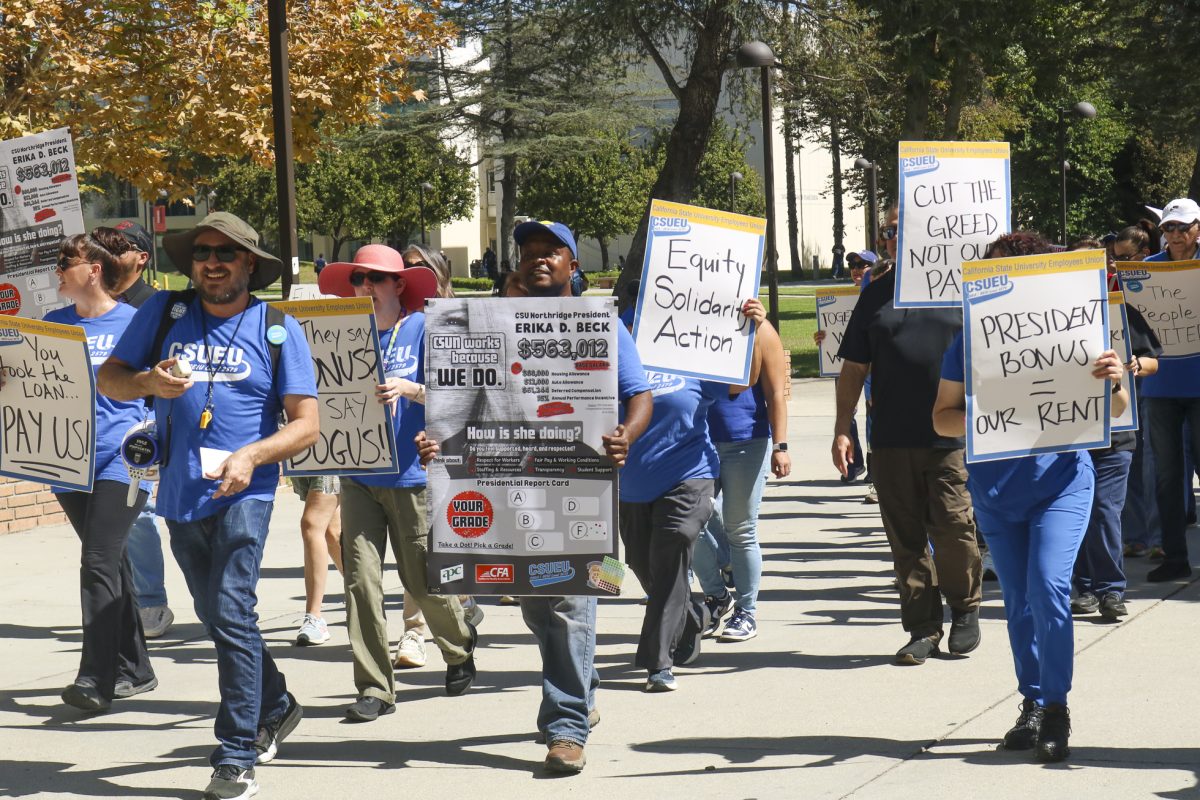
Though CSUN has not yet publicly made a statement regarding Chavez and the upcoming holiday named after him, the CSU’s labor union applauded the UFW’s commitment to creating a safe environment for survivors.
California lawmakers are swiftly working to rename the upcoming Cesar Chavez Day in the Golden State, as proposed by District 33 Assemblywoman Alexandra Macedo in Assembly Bill 2407. Mayor Karen Bass signed a proclamation Thursday officially renaming the holiday “Farm Workers Day” in the city of Los Angeles.
“Mr. Chavez’s crimes do not diminish the courage of farm workers and workers everywhere who fight for their rights, equality for Latinos, and a stronger nation for everyone,” she said in a statement.
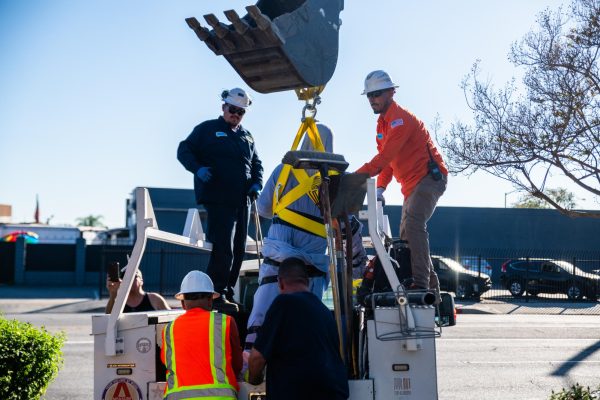
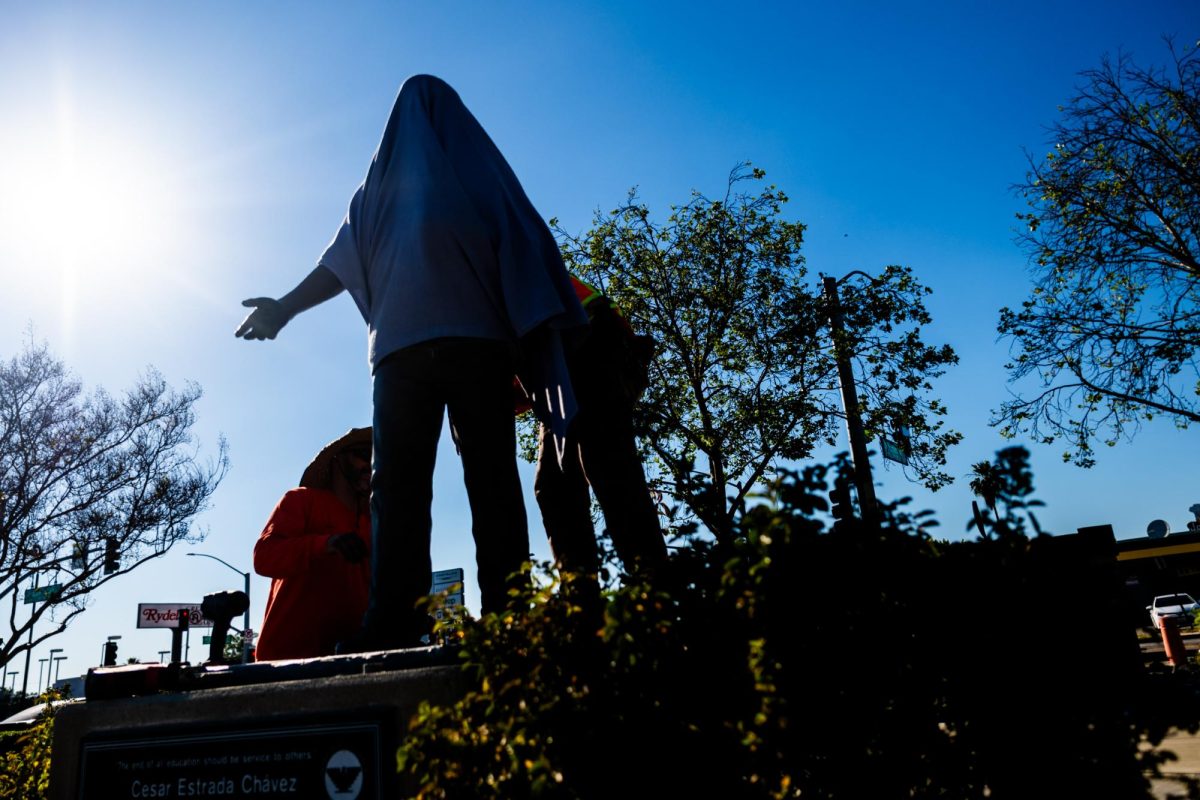
The city of San Fernando removed a mural and statue commemorating Chavez later that evening, following a last-minute city council meeting.
Huerta, who became pregnant twice following the alleged rapes by Chavez, has a long-standing history with CSUN and the CSU system.
In 1995, she gave a speech hosted by the Tom & Ethel Bradley Center, encouraging students to help put an end to the exploitation of immigrant workers – specifically those who entered the country legally but were still being deprived of social benefits and assistance.
“They’re trying to turn the clock back, and we’ve got to try and stop them,” she said while discussing issues that reflect many policies the current administration is working to tear down more than 30 years later.
CSUN awarded Huerta an honorary degree of Doctor of Humane Letters in 2002, thanking her for years of service to the university. Ten years later, she was bestowed the Presidential Medal of Freedom by President Barack Obama.
In speaking out against her abuser, Huerta acknowledged that the important work done by herself and members of UFW must not be abandoned.
“I will continue my commitments to workers, as well as my commitment to women’s rights, to make sure we have a voice and that our communities are treated with dignity and given the equity that they have so long been denied,” she said.