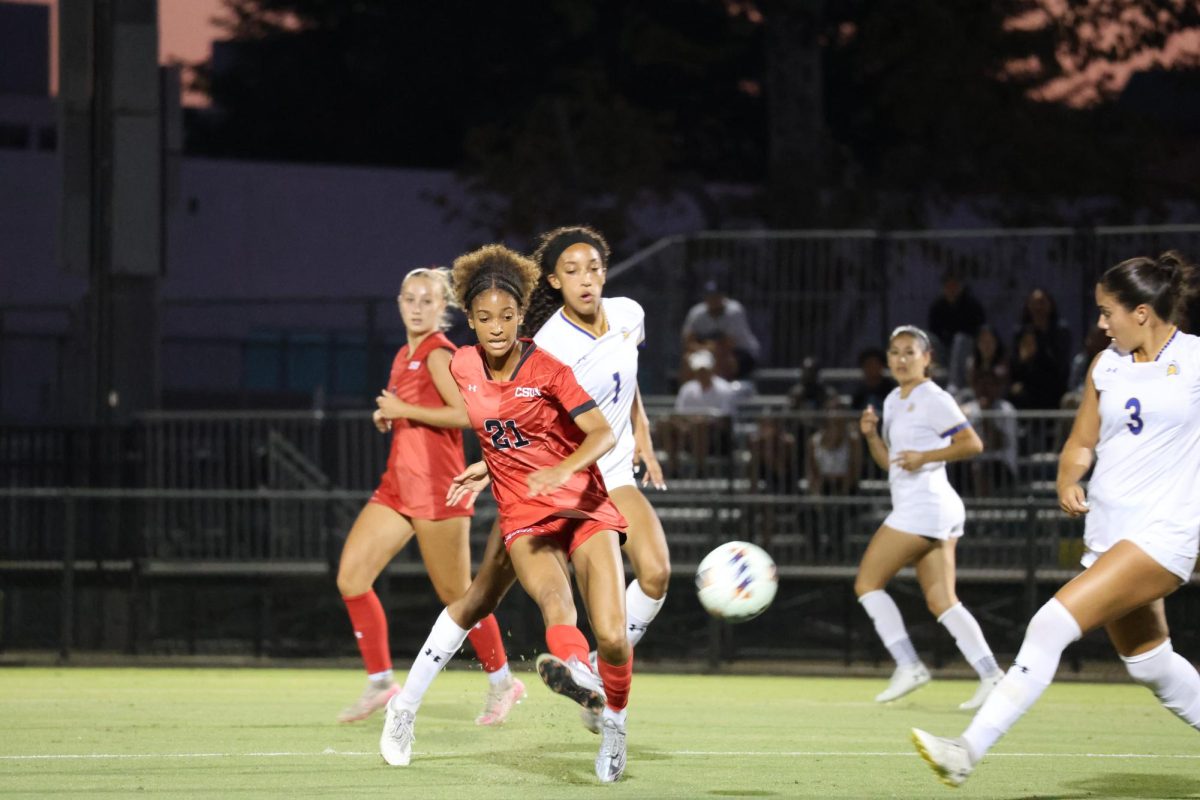

Los Angeles is home to an estimated 3.9 million people, but throughout the next three years, the city will become a temporary home for thousands athletes and millions of spectators as a consecutive host for the 2026 FIFA World Cup, 2027 Super Bowl LXI, 2028 Summer Olympics and 2029 Paralympic Games.
As early as 2015, when the bid was made for Los Angeles to host the Summer Olympics, the city has been preparing itself to welcome millions of travelers. Since then, the city has invested more than $609,000 into road repairs, $30 billion into terminal upgrades at LAX and $100 million into the beautification of Exposition Park. Even with the billions of dollars in investments, California is projected to turn a profit.
“The Golden State is the sports capital of the world with five large-scale events in the next three years expected to create at least $18 billion in economic activity,” Governor Gavin Newsom said in a statement on the California State Portal.
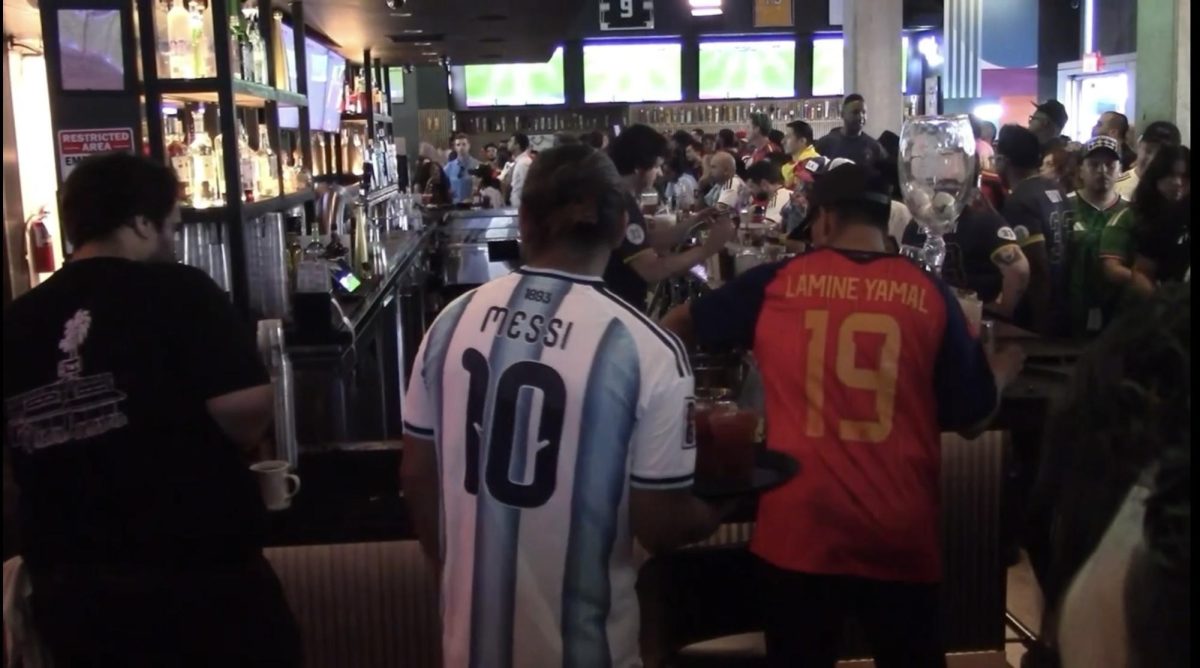
In 2026, Los Angeles is slated to host eight matches at the 2026 FIFA World Cup at SoFi Stadium, including the U.S. team’s opener. Andrew Giuliani, the White House Task Force Executive Director, stated in a press briefing that the country is expecting between 5 and 7 million international visitors ahead of the event. According to AirBnB Newsroom, Los Angeles is the most popular host city based on AirBnB bookings.
“Hotels in hosting cities are preparing for record occupancy rates, while local businesses stand to gain from increased foot traffic,” a report from FIFA and the World Trade Organization said. “Beyond the economic impact, the event provides a platform to promote the host cities as global tourist destinations.”
The following year, SoFi Stadium will host Super Bowl LXI, the championship game for the National Football League and the biggest sporting event in the U.S. Governor Gavin Newsom projected Super Bowl LXI to generate around $477 million for the Los Angeles region.
More than a decade after its original bid, Los Angeles is set to host the 2028 Summer Olympic Games as the first U.S. city to host the Summer Olympics since 1996. Preparations for the renowned event are extensive.
“Early plans pledged to have ‘100 percent of ticketed spectators travel to competition venues by public transport, walking or cycling,’” according to Los Angeles officials and reported by the New York Times.
In 2025, Los Angeles ranked as having the tenth worst traffic congestion anywhere in the world. In order to prepare already congested freeways for millions of additional visitors, the city aims to use water taxis, air taxis and electric school buses as alternative modes of transportation.
The budget for the 2028 Olympic Games is a massive $7.15 billion, which aims to be privately funded without relying on taxpayer dollars. The 2028 Games follow in the footsteps of its 1984 predecessor, as the 1984 Los Angeles Summer Olympics were the first Olympic Games to be privately funded. This ultimately resulted in Los Angeles hosting the first Games to ever turn a significant profit.
Critics fear that the 2028 Games will follow in the footsteps of the 1984 Games in more sinister ways as well, per a Washington Post analysis by assistant professor of history and African American studies at Ball State University, Max Felker-Kantor.
“Garcetti and others heap praise on the ’84 Games for its profitability and investment in sports,” Felker-Kantor wrote. “But they ignore the dark side of the Games. … Partnering with the Department of Defense, the LAPD hired additional officers, at a cost of more than $20 million, to ‘sanitize the area’ and keep crime to a minimum during the Games.”
Incumbent mayor of Los Angeles, Karen Bass, vowed that unhoused Angelenos would not be bused out of the city as many were ahead of the 2024 Paris and 2016 Rio De Janeiro Games, according to the Associated Press.
“However our strategy evolves, it will always be housing people first,” Bass said in an interview with the Los Angeles Times. “It will never be putting people on a bus and shipping them out.”
The next three years will be as much about gold medals and goal posts as they will be about balancing a global spotlight while showing up for the community that stays long after closing ceremonies end. With billions of dollars invested and major refurbishment projects across Los Angeles, the impact of three years of back-to-back hosting remains to be seen.