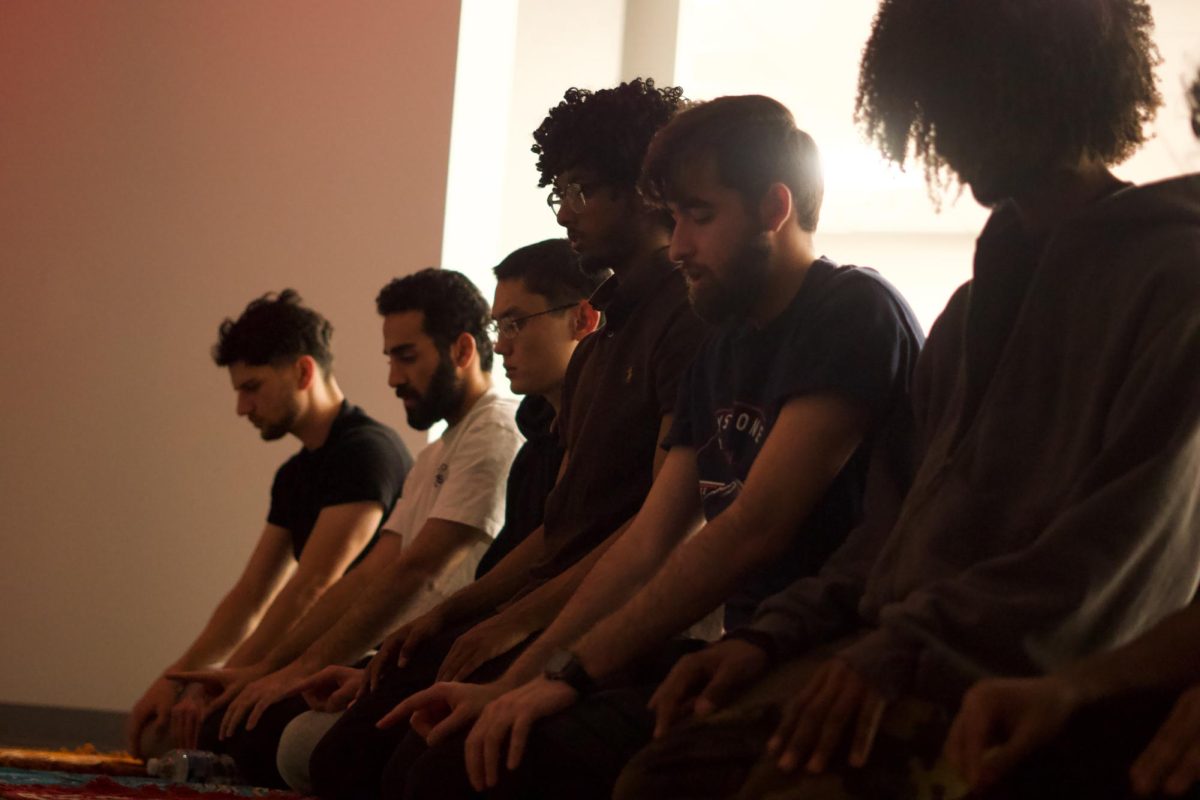
It’s a cold March Thursday evening, and Asiyah Ardekani has a computer science midterm. She’s been on campus since the morning and hasn’t had food or water since 5 a.m. Cold, tired and hungry, she starts the test whispering – bismillah – in the name of God.
Although the university does not officially track the specific religious affiliations of its students, it does say it serves a broad range of faiths and spiritual organizations on campus. One of those organizations is the Muslim Student Association (MSA). During Ramadan, which has fallen onto this spring semester, the MSA has catered to students who fast.
Ramadan is considered to be one of the most holy months of the year for Muslims, where they commemorate the revelation of the Qur’an by fasting from food and drinks during the day and performing special prayers in the night.
For CSUN Muslim students like Ardekani, the month can consist of schedule changes, increased academic pressure and working through physical and mental fatigue. Ardekani said that her Ramadan has been good, but that she has difficulty attending class with less energy than she does normally.
“I have a lot of 7 p.m. classes. It wasn’t really an issue before daylight savings, but now by the time Iftar occurs, I’m about to start my next class,” she said.
Senior marketing major Justice Buckley says a challenge this year for Ramadan is planning his Iftar, the name of the meal eaten by Muslims at sunset to break their fast, around his classes.
“Most of them fall during Maghreb [the sundown prayer], but it’s been easy,” Buckley said.
He mentioned he asks his professors to step outside during class to break his fast.
For first-year political science major Zuhra Faqeri, maintaining her gym schedule has been rather difficult, saying that she goes in the morning and feels drained at the end of the day. Faqeri also mentioned that sometimes her friends want to get food but she has to decline, often leaving her feeling sorry.
“You can make a lot of people uncomfortable, and then I don’t want to make a lot of people uncomfortable,” she said. “For my own sake, I try to avoid social activities as much as possible and try to hang out with MSA more.”
Former vice president of the MSA at CSUN and current senior majoring in business analytics, Rayaan Khaled, said that it was a lot of responsibility managing Ramadan for students.
“It was very chaotic every day. Just trying to make sure everything was right,” Khaled said. “You have a sense of responsibility for the whole community.”
Khaled said he was constantly stressed about where the food, water and dates would be. Despite those challenges, his hard work pays off.
The challenges can look different for all Muslim students, but the joys can be relatively the same.
For Buckley, he enjoys being able to focus on “pure” worship and making sure the fasting is more spiritual, rather than simply food and water.
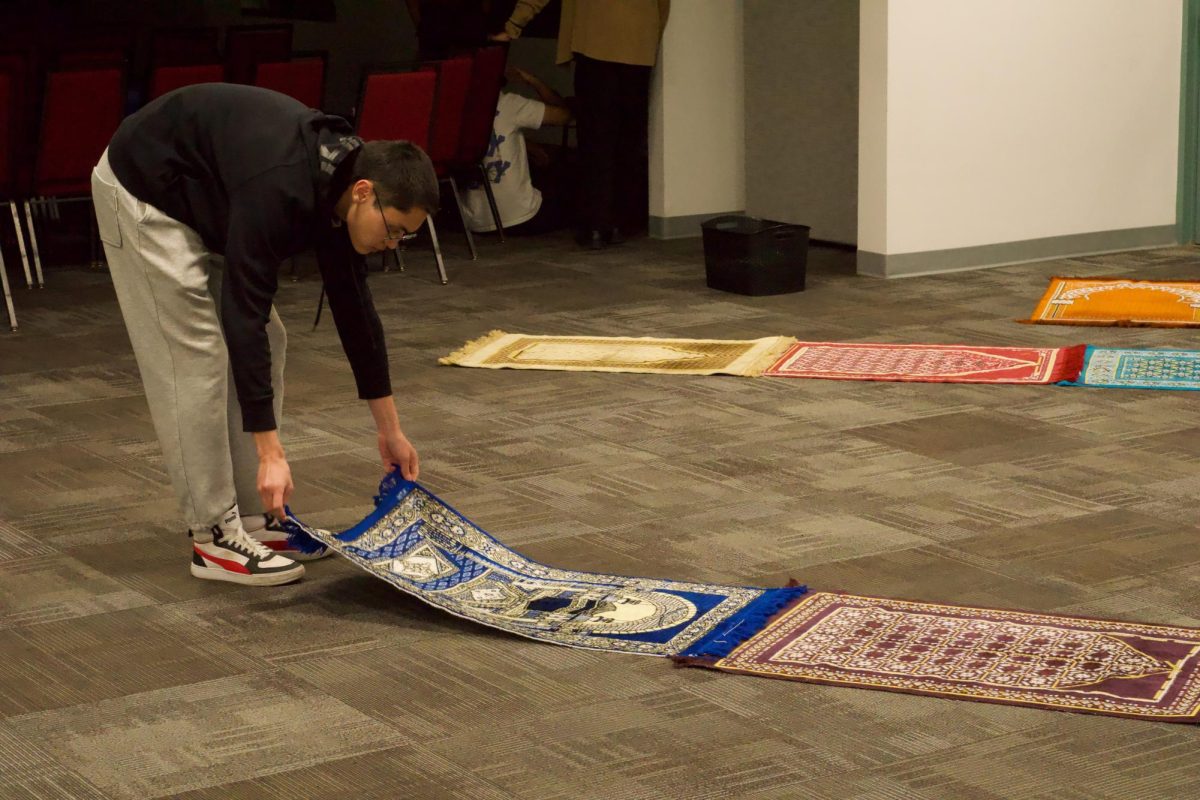
Ardekani said she’s excited for the spring break. No longer being distracted by school work, she’ll have more time to pray, do good deeds and make dua–prayers–.
Faquri admires that it’s just the individual doing these worship practices and with the last 10 nights of Ramadan coming up, she’s intending to catch Laylatul Qadr, the most sacred night.
MSA President Mashaal Jan expressed gratitude that the school supported Iftars. Jan said they waive costs for rooms, help with restaurant catering and provide funding for the Iftars to help reach the goal of providing them on campus. According to Jan, the MSA has been providing Iftar dinners for about 4 or five years during the month of Ramadan. This year, they have been doing it consistently Monday through Thursday.
That effort is significant for first-time MSA members attending the community Iftars. Freshman electrical engineering major Umar Mickey said they help him feel less alone.
“They help me open up new friends, find new people and help make this Ramadan easier ‘cause I can know that there’s people fasting with me and not alone fasting [by] myself,” he said.
For Ardekani, she’s happy she’ll be getting more time to do good deeds going into the last 10 nights of the month.
“I know that when I worship Allah and I’m praying, I feel calmer,” she said. “All the thousand thoughts in my head suddenly disappear once I put my head on the prayer mat.”
Ramadan is expected to end on March 19, based on the moon sighting.